


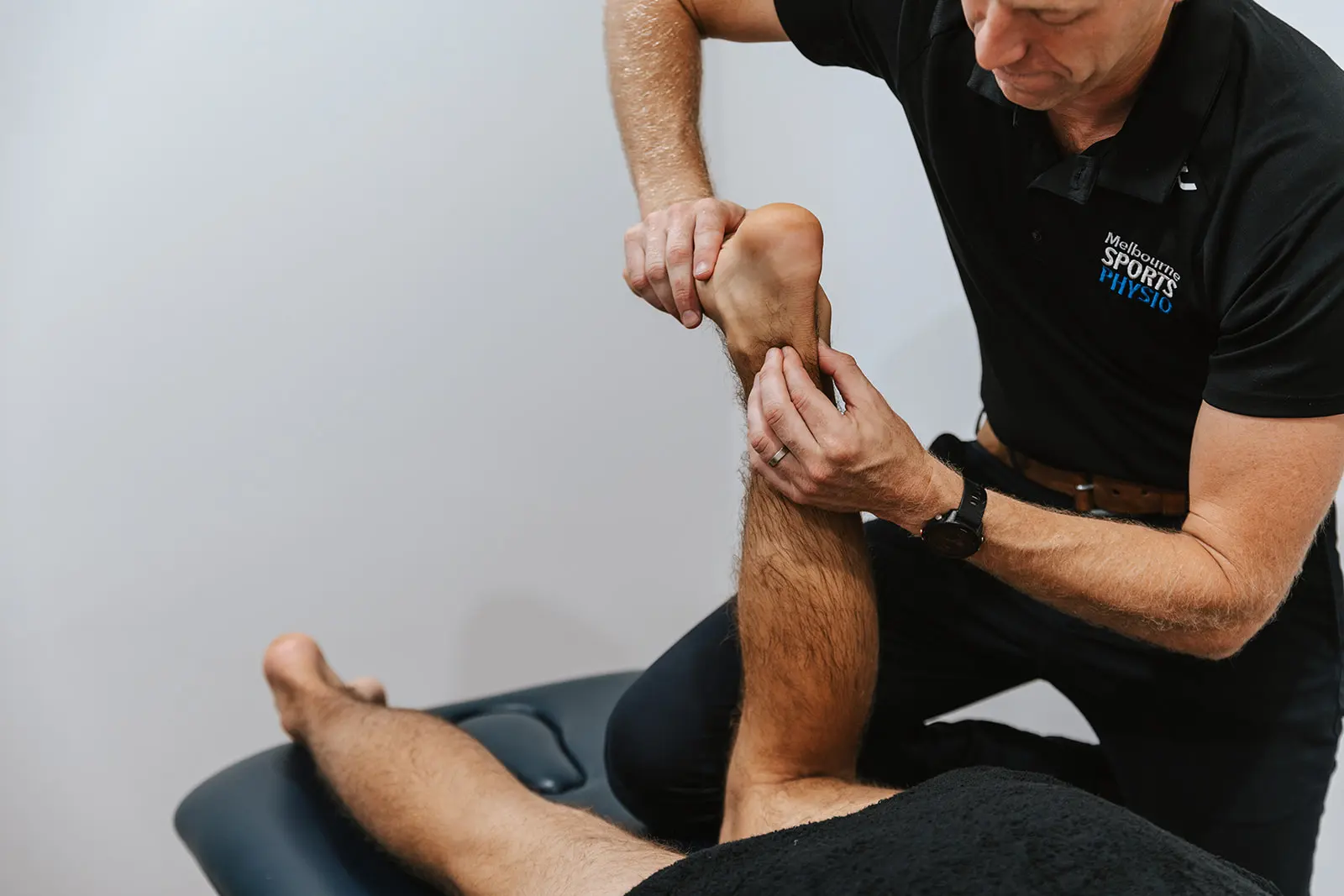
An Achilles injury occurs when there is damage or tearing of the Achilles tendon, which connects the calf muscles to the heel bone. This major tendon is integral to movements like walking, running, and jumping. Achilles injuries occur suddenly due to trauma or develop over time from repetitive strain. Individuals who sustain an Achilles injury often report pain, swelling, and reduced mobility, which can reduce physical independence. Here’s information on rehabilitation techniques for after an Achilles injury:
Resting and Bracing
Rehabilitation is key in restoring function to an injured foot or ankle. By following a structured rehab plan, individuals can reduce discomfort, protect their healing tendon, and support an effective recovery. Rest is usually the first step after an Achilles injury. The affected foot may need to limit weight-bearing, especially in the early phase, as movement can increase tendon strain. Crutches help reduce pressure on the injured side and make walking safer during daily tasks.
Taking a period of rest does not necessarily mean complete inactivity; it means avoiding movements that can worsen irritation. Simple choices, such as reducing stair use or standing for too long, help protect the Achilles tendon. People with Achilles injuries should follow the activity limits given by their clinician, which may change over time.
Many individuals also wear a walking boot after some initial healing. The boot helps support the foot and ankle, and it can limit motion that places stress on the Achilles tendon. This form of bracing is used for a set number of weeks, depending on the injury pattern and the treatment plan.
Using Over-the-counter Pain Medication
Over-the-counter pain medication often helps manage discomfort during tendon injury recovery. Common options include acetaminophen or nonsteroidal anti-inflammatory drugs, depending on a person’s medical history and the guidance they have received. These medications do not repair the tendon, but they may make the recovery period more manageable. Label directions should be followed closely, and they may not suit individuals with a history of stomach issues, kidney concerns, or liver disease.
Pain control can improve day-to-day function, and it also helps people tolerate bracing, icing, and other basic rehab measures. Persistent pain should not be ignored. If pain increases rather than improves, the treatment plan may need to be adjusted. A specialist can determine whether the current rehab approach is appropriate.
Applying Ice
Ice is often used to address swelling and local pain after an Achilles injury. A cold pack may be placed over the area for short intervals, usually with a cloth barrier between the ice and the skin. Direct contact with ice can irritate the skin, so take precautions when icing anything. Many people are also advised to use the RICE method:
- Rest
- Ice
- Compression
- Elevation
Rest helps reduce repeated strain, while ice may help limit swelling. Compression, when recommended, can provide mild support through a wrap or sleeve. Elevation places the injured foot above heart level when possible, and this may help reduce fluid buildup. These measures are basic but often used in the early phase of recovery.
Recover From Your Achilles Injury
For effective rehabilitation, follow up regularly with your foot and ankle specialist. These appointments allow the specialist to assess your pain, swelling, walking ability, and tendon function over time. They can also review whether your recovery methods are working or need adjustment. During follow-up visits, your specialist may adjust activity limits, recommend therapy, or update bracing instructions as healing continues. Contact your specialist for personalized guidance focused on your needs.
