


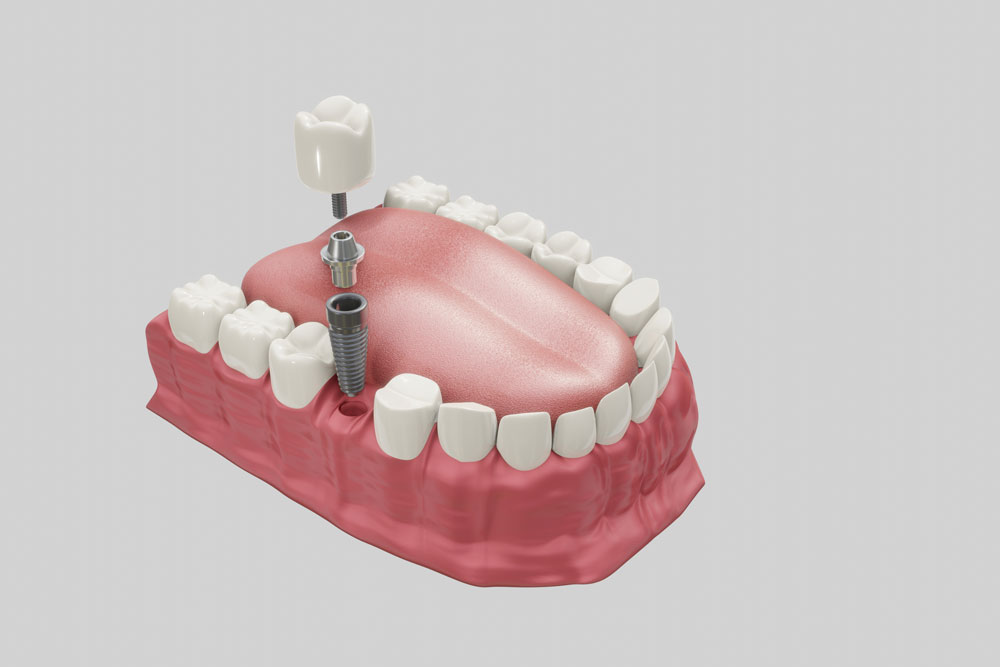
Missing teeth affect how you bite, speak, and clean your mouth. Dental implants replace missing tooth roots, and they support a crown or bridge. Because implants join with bone over time, they provide a stable base that does not shift.
What is the Structure?
Dental implants are designed to replace both the root and the visible tooth. The implant post sits in the jaw, and the final restoration attaches above it. This setup provides support and distributes bite pressure like a natural tooth. When bone heals around the implant, the connection is stable. Unlike removable options, implants stay fixed and do not rely on nearby teeth. Another benefit is their durability. An implant uses strong, biocompatible materials that resist wear, making it suitable for long-term use. Most implants last many years with proper care, and many patients keep them for decades.
Since implants become a permanent part of your mouth, you do not have to worry about shifting during meals or conversations. Implants also look and feel like natural teeth. The crown or bridge matches the shape, size, and color of your other teeth. This creates a seamless appearance, and you look natural. Because the implant is rooted in bone, it provides a natural feel when you bite or chew.
How is Planning Conducted?
A comprehensive evaluation is the first step, and it helps your dentist assess your oral health. A permanent result depends on careful planning before treatment begins. Your dentist examines your entire mouth, and they may take 3D scans for a detailed assessment. With this information, your dentist builds a treatment plan. A personalized plan aids your bone quality, gum health, and other teeth. This process matters because each case is different, and treatment matches your anatomy. A thorough evaluation helps identify potential concerns before the process begins. If needed, your dentist may recommend steps to improve oral health. This could include periodontal therapy or bone grafting. Each treatment phase is explained, so you know what to expect and how to prepare.
What is Required?
Your provider may tell you to:
- Brush at least twice a day using a soft-bristled toothbrush and non-abrasive toothpaste.
- Pay special attention to the gumline and sides of the implant crown or bridge, as these areas can trap plaque.
- Floss daily with traditional floss, floss threaders, interdental brushes, or water flossers to clean between teeth and around the implant.
- Use antimicrobial mouth rinses as recommended by your dentist for added support against bacteria.
These habits are simple, but they matter. Healthy tissue helps maintain a stable implant site. Keeping your mouth clean lowers the risk of gum inflammation or infection, both of which can weaken implant support over time. Establish a consistent daily routine. Protect your investment.
Discuss Dental Implants Today
Dental implants are considered a permanent solution, so they rely on bone integration. Their long-term function depends on sound structure, careful planning, and steady maintenance. Evaluation, collaboration, and design each support a treatment process built for stability. If you have missing teeth, schedule a dental visit today.
