


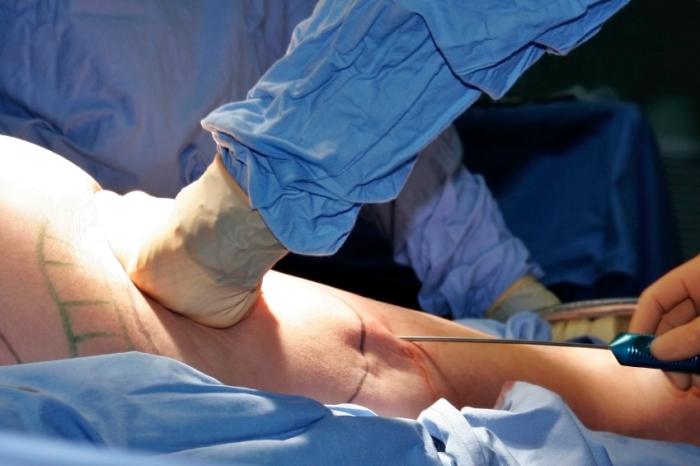
Liposuction is a cosmetic surgical procedure that removes fat from targeted areas of the body. Surgeons use a thin tube called a cannula to break up fat cells, and they suction them out from areas such as the abdomen, thighs, or arms. Patients often pursue this surgery when routine diet and exercise do not produce the desired physical changes. Here are some things to review when determining liposuction candidacy:
Meeting Weight Requirements
Although liposuction removes fat, it is not a weight-loss solution for obesity. Individuals seeking this procedure must be at or near their ideal body weight. Surgeons look for patients who maintain a stable weight, and they usually recommend being within thirty percent of a target body mass index. A stable metric demonstrates:
- Commitment to a healthy lifestyle, including proper diet and exercise
- Lower risk of complications during and after the procedure
- Improved long-term results and better overall outcomes
- The ability to maintain the aesthetic enhancements achieved through the surgery
Drastic weight fluctuations after surgery alter the body’s contours, and this impacts the visual outcomes of the initial operation. Having a stable physical foundation allows the surgeon to safely sculpt the targeted areas. When patients commit to a target weight for several months before surgery, their bodies usually respond better to the physical changes.
Assessing Skin Quality
Good skin elasticity affects the outcome of body contouring. Because the operation removes underlying fat, the skin must snap back into place over the newly defined contours. Patients with firm, natural elasticity generally see smoother results. If an individual has very loose or thin skin, the treated areas may appear uneven or dimpled after fat removal. Older patients or those who have experienced massive weight loss frequently have reduced skin elasticity. This reality makes them less suitable for a liposuction without adding skin excision procedures like a tummy tuck. Medical providers test skin firmness during an initial physical exam, and this helps set accurate expectations for the post-operative appearance.
Reviewing Lifestyle Habits
Healthy daily habits support physical recovery, so medical professionals review patient lifestyles extensively. A key disqualifier is smoking. Smoking restricts blood flow throughout the body, and this delays healing and increases the risk of surgical complications. Surgeons require individuals to stop using all nicotine products for a minimum of four weeks before and after liposuction. This cessation period helps oxygen reach the tissues during the initial healing days.
Regular exercise and a balanced diet help maintain the new body shape over time. The fat cells removed during the operation do not return, but the remaining fat cells will grow larger if the patient gains weight later. A sudden caloric surplus also causes fat to accumulate in untreated areas, shifting the body’s proportions. Incorporating routine physical activity into daily schedules helps patients transition into the recovery phase more seamlessly. Daily habits provide the framework for a safe surgical environment and a predictable recovery timeline.
Learn More About Liposuction
Liposuction offers a precise method to address localized fat deposits, but it requires specific physical conditions to be performed safely. You must possess a stable weight, good skin elasticity, and a consistently healthy lifestyle to qualify for the operation. When you meet these medical parameters, a board-certified plastic surgeon will guide you through the preoperative planning phase. Contact a licensed plastic surgery clinic today to schedule an evaluation.
