


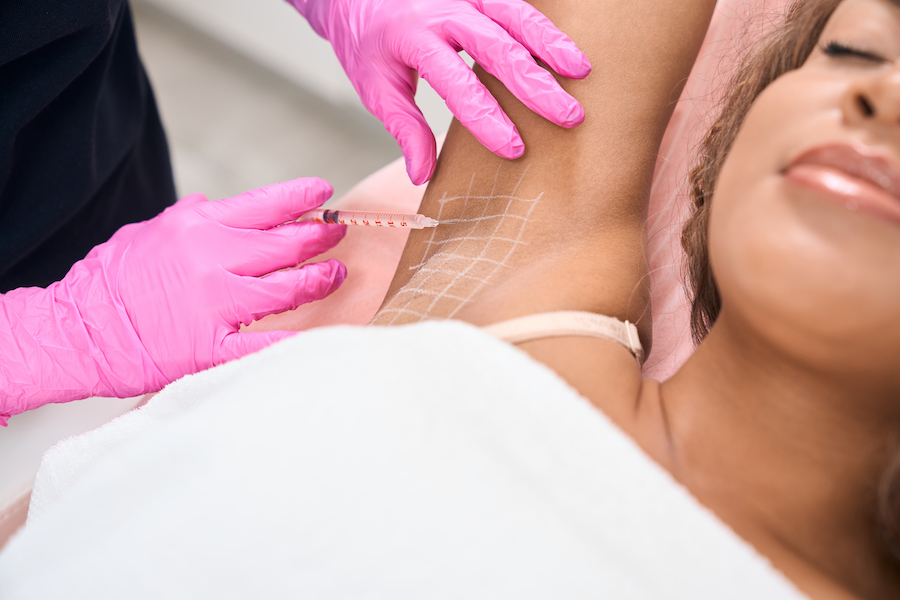
When the human body produces excess perspiration, beyond what the body needs for temperature regulation, medical professionals formally diagnose this unique condition as hyperhidrosis. This persistent form of excessive sweating affects millions of individuals across the globe. It primarily impacts localized physical areas like the palms, soles of the feet, or underarms. Dermatology patients may seek various clinical interventions to combat this physical condition to improve their overall quality of life.
What Is Hyperhidrosis?
Hyperhidrosis involves highly overactive sweat glands distributed throughout the skin. Because the nervous system triggers these specific glands unnecessarily without any external heat stimulus, affected individuals experience heavy perspiration even in cool environments. Common physical symptoms include excessive sweating. Some individuals may sweat through multiple clothing layers or see visible sweat on the hands or forehead. These intense sweating episodes are categorized based on their daily frequency and severity. Most individuals who experience this find that symptoms start during their teenage years. Other individuals may find symptoms begin later in life, which can indicate that other health issues may be contributing.
What Treats Hyperhidrosis?
Dermatologists can prescribe clinical-strength antiperspirants as an initial treatment for the condition. These specialized topical treatments physically block active sweat ducts right at the uppermost skin surface. Another option is topical medications. Patients apply the medication directly to the affected areas right before bed, and they wash it off the next morning.
Specialized clinicians also use localized injections like Botox for armpit sweating, or they recommend targeted medical devices for persistent cases affecting the extremities at home. These treatments are minimally invasive. Injections block signals from the nerves to overactive sweat glands, lasting about six months before administering the treatment again.
Prescription oral medications are another option for some individuals. Specific drugs effectively block the chemical nerve signals responsible for moisture creation, so they successfully stop the overactive glands from producing excessive bodily fluid. An option like this may be considered to treat hyperhidrosis throughout the body rather than in localized areas.
What Benefits Does Treatment Provide?
Because consistent sweat production increases moisture accumulation on the skin, proper medical treatment directly lowers the risk of skin infections. Strategic medical interventions significantly decrease visible physical dampness, and affected individuals subsequently may face fewer social challenges during their typical public interactions with peers. Overall physical comfort can improve dramatically throughout standard daily activities in both personal and professional settings.
The available clinical medical therapies directly address the exact physiological nerve triggers, and patients are more able to manage their daily wardrobes with noticeably fewer restrictive clothing choices. Patients may find they do not need to change as often and can last longer with a single outfit. They may also observe less dehydration.
Schedule a Hyperhidrosis Evaluation
Suspected hyperhidrosis requires an accurate clinical diagnosis from a trained provider, and thorough medical evaluations identify appropriate therapy paths for each specific individual case. After a health history and symptom review, a doctor creates a customized medical treatment plan. Contact a dermatology clinic to schedule a physical evaluation with a trained specialist today.
