


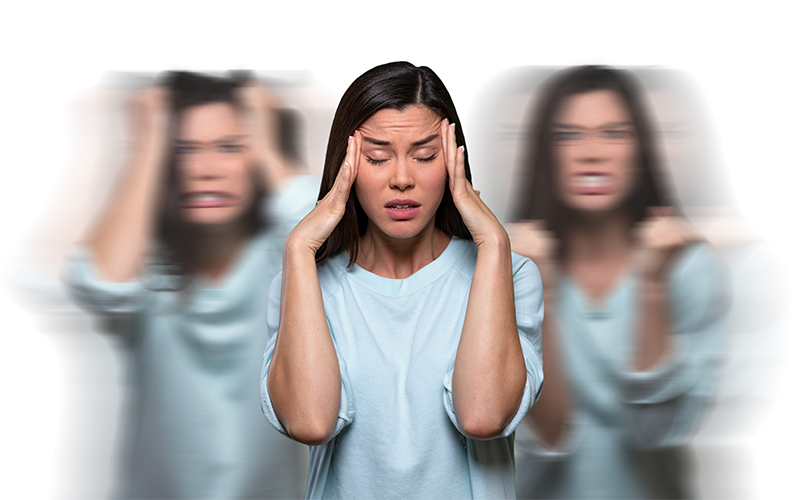
Hormones play a central role in women’s health. They influence everything from reproductive function to mood, skin, energy levels, and metabolism.
Throughout life, hormonal levels naturally change. These changes are expected, but they can sometimes cause noticeable physical and emotional symptoms.
Understanding these stages helps women better manage their health and prepare for natural transitions.
The Role of Hormones in the Female Body
Key hormones include:
- Estrogen
- Progesterone
- Testosterone (in small amounts)
These hormones regulate:
- Menstrual cycles
- Pregnancy
- Bone health
- Mood and energy
When hormone levels shift, the body responds in different ways.
1. Puberty Stage
During puberty, hormone levels rise significantly, leading to physical and emotional changes.
Common changes include:
- Onset of menstruation
- Growth of breasts
- Changes in body shape
- Emotional fluctuations
This stage marks the beginning of reproductive maturity.
2. Reproductive Years
This stage includes the most consistent hormonal activity.
During this time, hormones regulate regular menstrual cycles and fertility.
However, hormonal fluctuations can still occur due to:
- Stress
- Pregnancy
- Lifestyle changes
Common issues include:
- PMS symptoms
- Acne
- Mood swings
3. Pregnancy and Postpartum Changes
Pregnancy causes major hormonal shifts.
Hormone levels rise significantly to support fetal development.
After childbirth, hormone levels drop rapidly, which can lead to:
- Mood changes
- Fatigue
- Emotional sensitivity
This period requires physical and emotional adjustment.
4. Perimenopause Stage
Perimenopause is the transitional phase before menopause.
Hormones, especially estrogen, begin to fluctuate.
Common symptoms include:
- Irregular periods
- Hot flashes
- Sleep disturbances
- Mood changes
This stage can last several years.
5. Menopause Stage
Menopause marks the end of menstrual cycles.
It typically occurs when hormone production decreases significantly.
Symptoms may include:
- Absence of periods
- Vaginal dryness
- Reduced bone density
- Mood changes
While it is a natural stage, symptoms can vary widely.
How Hormonal Changes Affect Daily Life
Hormonal fluctuations can influence:
- Energy levels
- Emotional stability
- Skin condition
- Weight changes
- Sleep quality
These effects are normal but may require management.
Managing Hormonal Imbalances
Healthy Diet
Nutrition plays a key role in hormone balance.
Focus on:
- Protein-rich foods
- Healthy fats
- Fresh fruits and vegetables
Regular Exercise
Physical activity helps regulate hormones and improve mood.
Stress Control
Chronic stress disrupts hormonal balance.
Relaxation techniques can help stabilize hormone levels.
Adequate Sleep
Sleep is essential for hormone regulation and recovery.
When to Seek Medical Advice
Consult a gynecologist if you experience:
- Severe mood changes
- Persistent irregular cycles
- Extreme fatigue
- Unusual physical symptoms
Early consultation helps identify underlying issues.
Conclusion
Hormonal changes are a natural part of a woman’s life. From puberty to menopause, each stage brings unique physical and emotional transitions.
Understanding these changes helps women manage symptoms more effectively and maintain overall health.
With the right lifestyle choices and medical guidance when needed, hormonal balance can be supported throughout life.
