


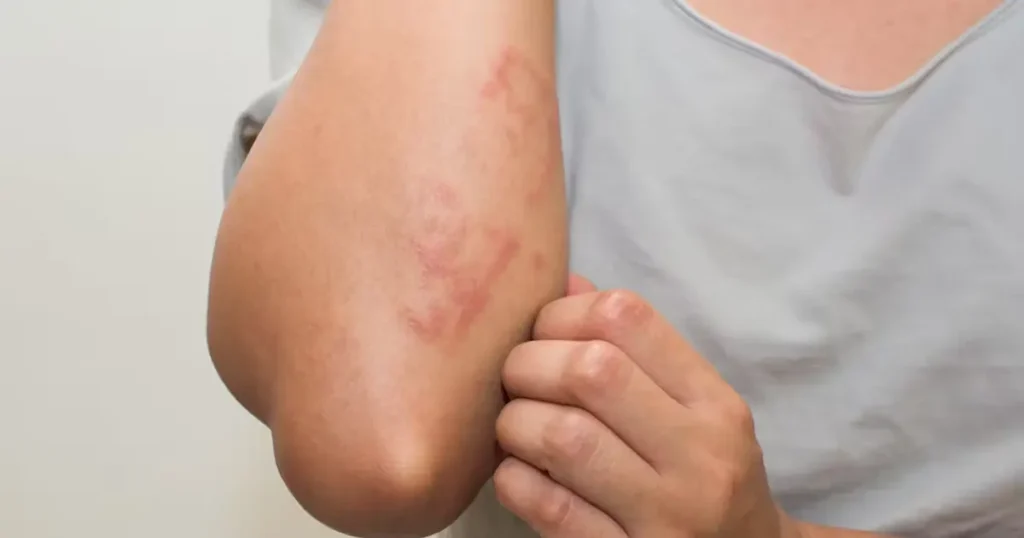
Skin is the body’s largest organ, and it is constantly exposed to environmental stressors, allergens, and pathogens. When something goes wrong, symptoms can range from a minor rash to a persistent, painful condition that disrupts daily life. Understanding what skin conditions are, what causes them, and how general dermatology can help is key to finding relief.
What Are Common Skin Conditions?
Skin conditions are disorders that affect the skin’s structure, function, or appearance. They vary widely in severity, duration, and cause. Some resolve on their own, while others require ongoing medical management. General dermatology, a medical specialty dedicated to diagnosing and treating these conditions, encompasses care for patients of all ages and skin types, promoting comprehensive dermatological management.
What Causes Them?
Skin conditions develop through a combination of genetic, environmental, and lifestyle factors. Genetics play a significant role, and conditions like psoriasis and eczema often run in families because they carry a hereditary component. Genetic predisposition alone does not guarantee that a person will develop a condition. Prolonged sun exposure increases the risk of skin cancer and accelerates premature aging, while allergens and pollutants can further compromise skin health.
Internal factors also play a role. Hormonal fluctuations, immune system dysfunction, and nutritional deficiencies are linked to skin flare-ups, and stress can compound these effects. Acne is frequently driven by hormonal changes that occur during puberty, pregnancy, or other life transitions, all of which can influence sebum production.
What Are the Symptoms?
Symptoms vary depending on the condition. Common signs include:
- Redness or inflammation: Often seen in rosacea, eczema, and contact dermatitis
- Itching or burning: Characteristic of allergic reactions, eczema, and fungal infections
- Scaling or flaking: Common in psoriasis and seborrheic dermatitis
- Changes in skin color or texture: May indicate conditions ranging from vitiligo to melanoma
Some symptoms are acute, appearing suddenly and resolving within days; others, such as the thick plaques associated with psoriasis, are chronic and recurring. Monitoring the onset, location, and duration of symptoms helps a dermatologist make an accurate diagnosis.
How Can General Dermatology Help?
General dermatology offers structure from diagnosis to treatment. A dermatologist begins with a thorough clinical evaluation; they review the patient’s medical history, lifestyle factors, and the specific characteristics of their skin concern. When a visual assessment is insufficient, a skin biopsy or patch testing may be used to confirm a diagnosis, enabling clinical accuracy before treatment begins.
Treatment plans are tailored to the individual, and a dermatologist selects the appropriate approach based on the condition. Topical medications, oral therapies, light-based treatments, and procedural interventions are all available within general dermatology. Each patient presents differently, so the selected treatment reflects their overall health, the nature of their condition, and their treatment preferences.
By integrating preventive measures with evidence-based clinical management, general dermatology seeks not only to address existing skin conditions but also to promote long-term skin health. Regular skin cancer screenings and early intervention for emerging concerns are integral components of comprehensive dermatological care, and dermatologists may provide personalized skincare guidance to support ongoing skin health. Proactive monitoring helps reduce the risk of conditions advancing to more severe stages.
Consult a Dermatologist Today
Skin conditions are common, but effective treatment options are available. General dermatology provides the clinical expertise needed to diagnose and manage a broad range of conditions. If you have a skin concern, schedule a consultation with a dermatologist. A professional evaluation helps in developing a treatment plan that works for your specific needs.
