


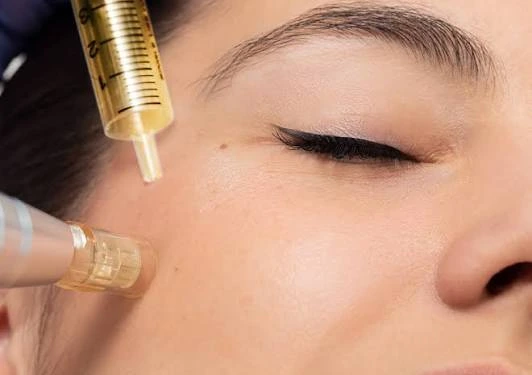
PRP is often combined with microneedling to support the skin’s natural repair process and enhance treatment results. It contains growth factors that may improve skin texture, tone, and overall rejuvenation when applied during or after treatment. Here is more information on how PRP can enhance microneedling results:
Understanding PRP and Skin Renewal
PRP begins with a blood draw; a centrifuge separates the platelets from the rest of the sample. Platelets carry growth factors, and these proteins signal the skin to repair and renew over time. The result is a concentrated fluid that practitioners apply during certain treatments. Skin renewal depends on collagen and elastin, two proteins that keep the surface smooth and supple. As we age, our bodies produce less of these proteins, and the skin can look thinner or less firm. PRP introduces growth factors that may encourage the skin’s natural repair process.
Combining PRP With Microneedling
When PRP is combined with microneedling, the two methods work together to benefit patients. Here are the main points that explain how this pairing works:
- Channel creation: Microneedling uses tiny needles to create small channels in the skin, allowing platelets to reach deeper layers than topical products typically can.
- Growth factor delivery: PRP applied to the skin can travel through these channels, so the growth factors settle closer to where renewal occurs.
- Natural source: PRP comes from your own blood; the material is drawn from your body rather than added from an outside product.
- Stimulated repair: The needling itself prompts a repair response, and the added PRP may support that process as the skin recovers.
This combination of techniques promotes personalized treatment to enhance skin rejuvenation and deliver noticeable and natural results.
Exploring Skin Improvement Benefits
The combined approach aims to smooth rough or uneven patches over a series of visits. Microneedling encourages the skin to renew its surface, and adding PRP may support that activity as you heal. Uneven skin tone or dullness often prompts people to seek rejuvenation treatments. PRP delivers growth factors that support repair, so the skin may look more balanced as it renews. Scarring is a key concern for some; acne marks or fine lines can affect how the skin looks under different light. Microneedling targets these areas through controlled channels, and PRP supports the repair that follows each session.
Planning Aftercare and Sessions
Good results depend on careful planning, and aftercare influences how well your skin recovers between visits. Keep the following in mind as you map out your treatment:
- Sun protection: Shield your skin from direct sunlight and apply sunscreen as directed by your provider.
- Gentle cleansing: Use mild products for a few days, and avoid harsh scrubs that can irritate the treated area.
- Hydration: Keep your skin moisturized to support comfort during recovery.
- Session spacing: Space your appointments as advised; most plans involve several sessions spaced weeks apart for consistent progress.
- Provider guidance: Follow your provider’s instructions closely and ask questions whenever a step is unclear.
Adhering to these recommendations can help you promote optimal results and effective recovery throughout your treatment.
Schedule Your PRP Appointment Today
PRP and microneedling build a coordinated approach that targets texture, tone, and the look of scarring. Maintaining proper skin care and closely following your provider’s recommendations can help you optimize your skin’s ability to renew and achieve the best results from your PRP treatments. Contact a reputable medical spa near you to schedule your PRP appointment today.
