


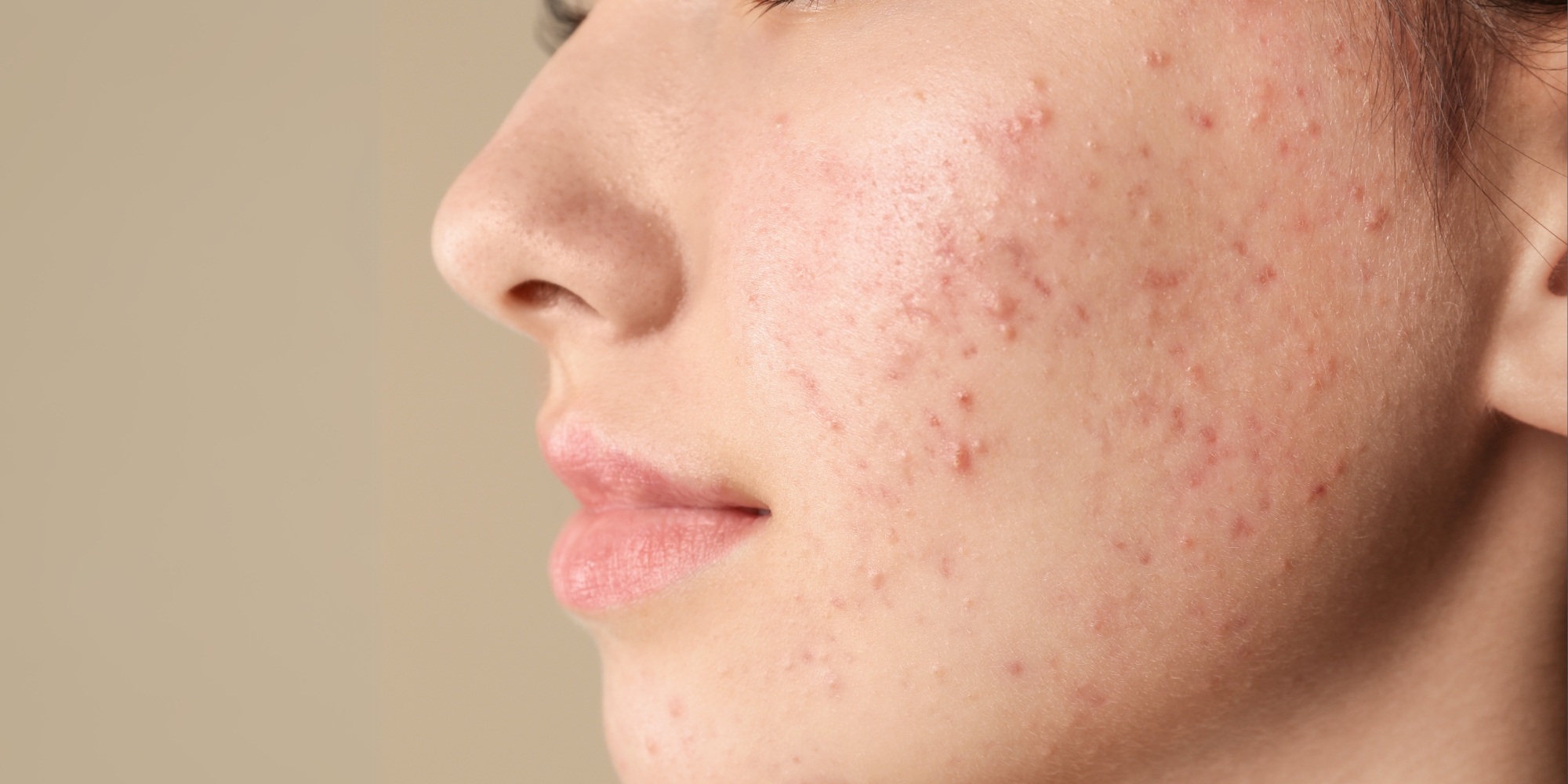
Many people spend years trying different skincare products without understanding why their skin problems keep returning. Acne, dryness, redness, and irritation are often treated as separate issues, but in many cases, they share a common root cause: a damaged skin barrier.
The skin barrier is your body’s first line of defense. When it is healthy, your skin looks smooth, hydrated, and balanced. When it is damaged, multiple problems start appearing at once.
Understanding how the skin barrier works can completely change the way you approach skincare. Instead of constantly switching products, you can focus on repairing and maintaining this protective layer.
What Is the Skin Barrier
The skin barrier, also known as the outermost layer of the skin, acts as a shield. It keeps moisture inside while protecting against harmful external elements such as bacteria, pollution, and irritants.
This layer is made up of skin cells held together by natural lipids, which include ceramides, cholesterol, and fatty acids. Together, they form a structure that keeps your skin stable and resilient.
When this barrier is intact, your skin can retain hydration and defend itself effectively. When it is weakened, your skin becomes vulnerable.
Signs Your Skin Barrier Is Damaged
A damaged skin barrier does not always show up in the same way for everyone. However, there are common signs that indicate your skin needs repair:
- Persistent dryness
- Redness or inflammation
- Increased sensitivity
- Breakouts that do not respond to treatment
- Tight or itchy feeling after washing your face
- Flaky or rough texture
Many people mistake these symptoms for separate issues and use harsh products, which makes the problem worse.
What Causes Skin Barrier Damage
1. Overuse of Skincare Products
Using too many active ingredients at once can overwhelm your skin. Products containing acids, retinol, and exfoliants are beneficial when used correctly, but overuse strips away natural oils.
Layering multiple strong products often leads to irritation and barrier breakdown.
2. Harsh Cleansing Habits
Washing your face too frequently or using strong cleansers removes essential lipids from the skin.
This leaves the skin dry and unable to protect itself effectively.
3. Environmental Factors
External conditions play a major role in skin health.
Common environmental stressors include:
- Pollution
- Sun exposure
- Cold weather
- Dry air
These factors gradually weaken the skin barrier.
4. Lack of Hydration
Dehydrated skin cannot maintain a strong barrier. When the skin lacks moisture, it becomes more prone to irritation and damage.
5. Poor Diet and Lifestyle
Your skin reflects your internal health. Diets low in essential nutrients and poor sleep patterns can negatively affect the skin’s ability to repair itself.
How a Damaged Skin Barrier Leads to Multiple Skin Problems
Acne
When the barrier is compromised, bacteria can enter more easily. This increases inflammation and leads to breakouts.
Dryness
A weak barrier cannot retain moisture, resulting in constant dryness regardless of how much moisturizer you use.
Sensitivity
Without proper protection, your skin reacts more strongly to products, weather changes, and even water.
Premature Aging
A damaged barrier accelerates the appearance of fine lines and dullness because the skin cannot repair itself efficiently.
How to Repair Your Skin Barrier
1. Simplify Your Routine
One of the most effective steps is to reduce the number of products you use.
Focus on:
- A gentle cleanser
- A hydrating moisturizer
- Sunscreen
Avoid introducing multiple active ingredients at once.
2. Use Barrier-Repair Ingredients
Look for products that contain:
- Ceramides
- Hyaluronic acid
- Glycerin
- Niacinamide
These ingredients help restore hydration and rebuild the skin’s natural defense.
3. Avoid Over-Exfoliation
Exfoliation is important, but too much can damage the skin.
Limit exfoliating products to a few times a week, depending on your skin type.
4. Protect Your Skin from the Sun
Sun exposure is one of the biggest threats to the skin barrier.
Daily use of sunscreen helps prevent further damage and allows the skin to heal.
5. Stay Hydrated and Maintain a Healthy Diet
Drinking enough water and eating nutrient-rich foods supports skin repair from within.
Include foods rich in:
- Healthy fats
- Vitamins
- Antioxidants
How Long Does It Take to Repair the Skin Barrier
Skin barrier repair does not happen overnight. It can take anywhere from a few weeks to a few months, depending on the level of damage.
Consistency is key. Frequent changes in skincare routines can delay the healing process.
Common Mistakes to Avoid
- Switching products too often
- Using strong treatments on already irritated skin
- Skipping sunscreen
- Ignoring hydration
- Over-cleansing
Avoiding these mistakes can speed up recovery and improve overall skin health.
Conclusion
Many common skin problems are not isolated issues but signs of a weakened skin barrier. Instead of focusing on quick fixes, it is more effective to repair and protect this essential layer.
By simplifying your routine, choosing the right ingredients, and maintaining healthy habits, you can restore your skin’s natural balance and achieve long-lasting results.
