


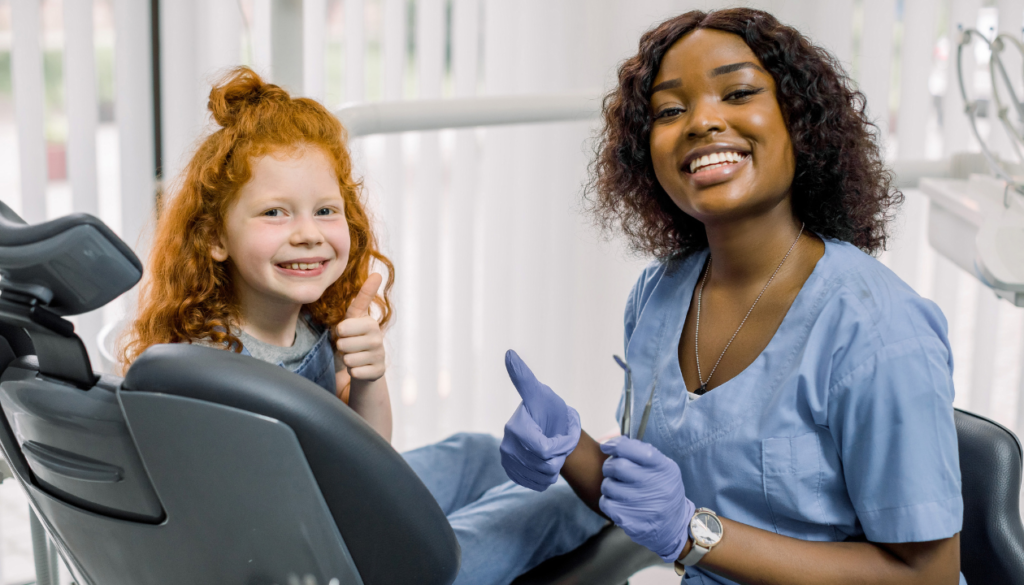
Orthodontic care for children involves evaluating dental and skeletal development at an early stage. A consultation provides a baseline for future treatments, and it helps identify structural abnormalities before they progress. A methodical approach to orthodontic care prevents premature procedures, allowing the jaw to grow naturally before corrective forces are applied. Here is more information on children’s orthodontics:
What Is Children’s Orthodontics?
Children’s orthodontics focuses on the diagnosis and treatment of dental and facial irregularities in younger patients. This specialized field addresses the alignment of teeth, and it monitors the ongoing growth of the jawbone. Orthodontists use specialized diagnostic tools to evaluate these physical structures, enabling the creation of individualized treatment plans.
What Are the Available Services?
Orthodontic clinics provide several clinical services to correct pediatric dental issues. Preventative care helps guide jaw growth, facilitating less invasive interventions. Interceptive treatments stop developing problems from worsening over time. Practitioners use fixed space maintainers, or they recommend removable palatal expanders for specific structural corrections.
Traditional metal braces remain a standard treatment option, but clear aligners offer a viable alternative for older children. Retainers hold the teeth in their new positions after active treatment concludes. The orthodontist selects the appropriate corrective device based on the child’s specific clinical diagnosis. Staff monitors the child’s progress during regular checkups, allowing adjustments to the treatment plan.
What Issues Are Addressed?
Orthodontic specialists treat a wide variety of structural dental conditions in growing children. Overbites and underbites require precise clinical correction, and crossbites need immediate adjustment to prevent uneven tooth wear. Crowding occurs when the jaw lacks sufficient space for permanent teeth, necessitating the creation of physical room for proper alignment. The initial consultation identifies these specific functional challenges, dictating the appropriate clinical response.
What Does an Orthodontic Consultation Involve?
An initial orthodontic visit begins with a review of the child’s medical and dental history. The practitioner examines the oral cavity, and they assess the current anatomical alignment of the jaw. Radiographic X-rays reveal the positions of unerupted teeth, helping practitioners develop a comprehensive treatment plan. Digital photographs provide a visual record of the facial profile.
The orthodontic specialist may take physical impressions or digital scans of the teeth, and these help create accurate 3D models. These detailed models allow precise anatomical measurements, which assist the practitioner in formulating a clinical treatment strategy. The clinic staff then discusses the proposed orthodontic timeline with the parents.
The orthodontist explains the diagnosis after reviewing all the gathered data. Parents can ask questions, and the practitioner provides answers regarding the proposed procedures. This open dialogue prepares the family for the upcoming dental appointments.
What Are the Benefits?
Early clinical intervention can reduce the need for complex dental surgeries later in life. It can also shorten the overall duration of future orthodontic treatments. Correcting bite issues improves chewing efficiency, and proper anatomical alignment facilitates better oral hygiene. Straight teeth are easier to brush and floss, improving daily oral care routines.
Addressing protruding teeth may decrease the risk of accidental dental trauma during sports and physical activities. Speech difficulties sometimes stem from misaligned jaws, so orthodontic correction can improve a child’s verbal articulation. A functional bite contributes to long-term dental health by preventing premature wear on tooth enamel.
Know What To Expect
A pediatric consultation provides information on a child’s ongoing dental development. Parents receive a detailed medical analysis of any existing irregularities, and they learn about available corrective treatment options. Schedule an appointment with a certified orthodontist today to begin the evaluation process.
