


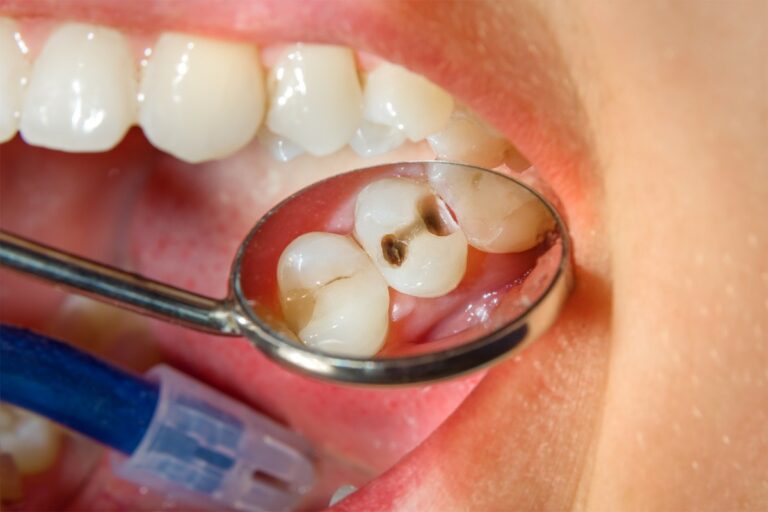
Many people believe that once a cavity is treated, the problem is permanently solved. A filling is done, pain disappears, and life goes back to normal. However, it is very common for cavities to return or for new decay to develop in nearby teeth even after treatment.
This creates confusion and frustration because it feels like the problem keeps repeating. The reality is that a cavity is not just a single event. It is the result of ongoing conditions inside the mouth, and if those conditions are not corrected, new decay can continue to form.
Understanding why cavities keep coming back is essential for breaking this cycle and achieving long-term dental health.
What a Cavity Really Is
A cavity is a permanently damaged area in the hard surface of a tooth. It develops when bacteria in the mouth produce acids that slowly break down tooth enamel.
Once enamel is destroyed, it does not regenerate naturally. That is why dental treatment is required to remove the damaged part and restore the tooth with a filling or other procedure.
However, treating the cavity does not remove the bacteria or habits that caused it in the first place.
Why Cavities Return After Treatment
1. The Root Cause Is Still Present
A filling repairs the damage but does not eliminate the conditions that created the cavity. If oral hygiene habits remain the same, bacteria continue to produce acids, and new decay can form.
This is one of the most common reasons cavities appear again, sometimes even in the same area.
2. Inconsistent Oral Hygiene
Brushing and flossing habits play a major role in cavity formation. If plaque is not removed regularly, it builds up on the teeth and gums.
Plaque contains bacteria that feed on sugar and produce acids that weaken enamel. Even after dental treatment, poor oral hygiene allows this process to continue.
Many people brush quickly or miss important areas, which allows bacteria to survive and grow.
3. Frequent Sugar and Carbohydrate Intake
Diet is one of the strongest factors in cavity development. Sugary foods and drinks provide fuel for bacteria in the mouth.
Frequent consumption of sugar means the mouth is exposed to acid attacks throughout the day. Even small snacks or sweetened drinks can contribute to this cycle.
After treatment, if dietary habits do not change, new cavities can form easily.
4. Weak Areas Around Fillings
Teeth that have been filled are sometimes more vulnerable in surrounding areas. Over time, fillings can wear down or develop small gaps at the edges.
These tiny spaces allow bacteria and food particles to enter, leading to decay around the existing filling. This is known as secondary decay.
Regular dental checkups help detect these issues early.
5. Dry Mouth Conditions
Saliva plays a very important role in protecting teeth. It helps wash away food particles and neutralize acids produced by bacteria.
When saliva production decreases, the mouth becomes more vulnerable to decay. Dry mouth can be caused by medications, dehydration, or certain health conditions.
Without enough saliva, bacteria can grow more easily, increasing the risk of cavities.
6. Poorly Timed Dental Care
Delaying dental visits allows small issues to grow into larger problems. Even after treatment, skipping follow-up visits can lead to unnoticed decay.
Regular checkups help identify early signs of new cavities before they become serious.
Signs That New Cavities May Be Developing
Cavities often start silently. Some early signs include mild sensitivity when eating hot or cold food, dark spots on teeth, slight discomfort while chewing, or food getting stuck in certain areas.
These symptoms may seem minor but should never be ignored, especially if you have a history of cavities.
How to Break the Cycle of Repeated Cavities
1. Improve Daily Brushing Technique
Brushing twice a day is essential, but technique matters just as much as frequency. Teeth should be cleaned slowly and thoroughly, making sure all surfaces are covered.
Using a soft-bristled toothbrush helps avoid damage to enamel and gums.
2. Floss Every Day
Flossing removes food particles and plaque from between teeth where a toothbrush cannot reach. This is one of the most important steps in preventing cavities from returning.
3. Reduce Sugar Exposure
Instead of frequent sugary snacks throughout the day, it is better to limit sugar intake to main meals. This reduces the number of acid attacks on teeth.
4. Drink More Water
Water helps cleanse the mouth and maintain saliva flow. It also reduces acidity and washes away leftover food particles.
5. Regular Dental Checkups
Routine dental visits allow early detection of new decay. Dentists can identify weak areas, repair small issues early, and prevent larger problems from developing.
6. Consider Preventive Treatments
In some cases, dentists may recommend fluoride treatments or dental sealants. These help strengthen enamel and protect vulnerable areas from decay.
How Lifestyle Affects Cavity Formation
Cavities are not only about brushing. Lifestyle plays a major role in oral health. High stress levels can reduce immune response and lead to neglect of oral care. Poor sleep can affect overall health, including gum health. Smoking increases bacterial growth and reduces healing ability.
A balanced lifestyle supports better oral health and reduces the risk of recurring cavities.
Why Prevention Is More Effective Than Repeated Treatment
Repeated dental treatments without addressing root causes can become costly and uncomfortable over time. Each new cavity weakens the tooth structure further.
Prevention helps maintain natural teeth for longer, reduces the need for invasive procedures, and improves overall oral health.
Small daily habits are far more effective than repeated corrective treatments.
Conclusion
Cavities returning after treatment is usually not a failure of dentistry but a sign that underlying causes have not changed. Oral hygiene habits, diet, saliva levels, and lifestyle all play a role in cavity formation.
By improving daily care, reducing sugar intake, and maintaining regular dental visits, it is possible to break the cycle of recurring cavities and protect long-term oral health.
Consistency is the key. Healthy habits maintained every day are the strongest defense against future dental problems.
