


Glaucoma is a group of eye diseases that damage the optic nerve. It often develops slowly, and many people notice no early symptoms. Since pressure inside the eye may rise over time, treatment aims to lower that pressure. Here are some treatment options, and how doctors choose the next step:
Prescribed Eye Drops
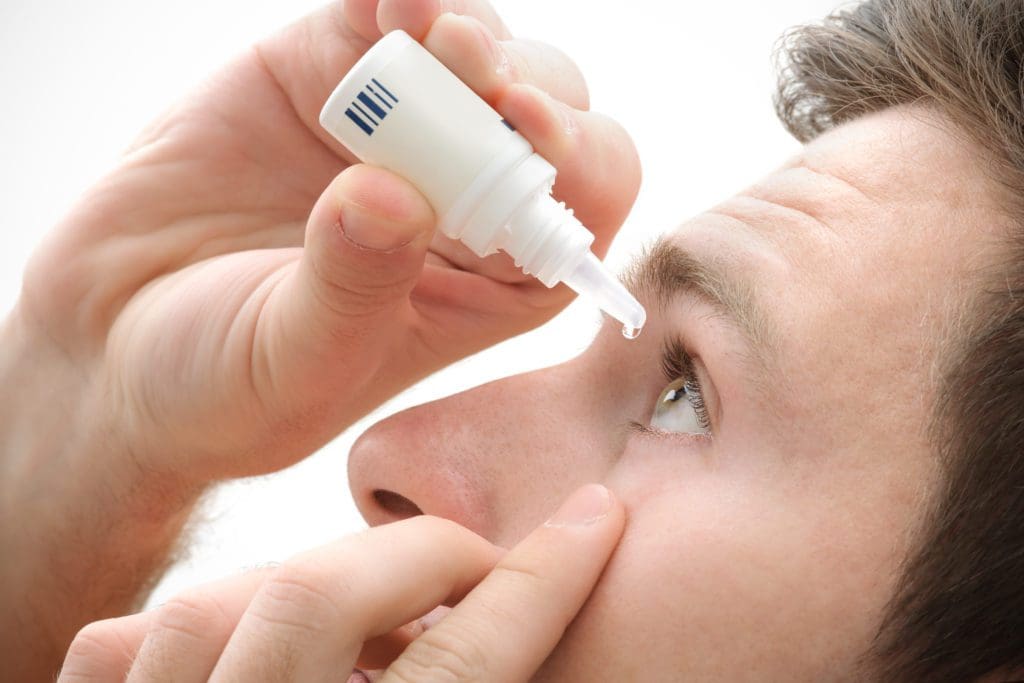
Doctors may start glaucoma treatment with prescribed eye drops. Some drops reduce fluid production, and others help fluid drain from the eye. If your doctor prescribes more than one type, you may need a set schedule. Using drops at the same time each day helps keep treatment consistent.
Eye drops work only if you use them as directed. You may need to wash your hands first, and you should avoid touching the bottle tip. As timing matters, many people link each dose to a daily routine. Typical issues include:
- Missed doses
- Persistent eye redness
- After-use stinging
Selective Laser Trabeculoplasty
Selective laser trabeculoplasty (SLT) treats the eye’s drainage tissue with low-energy laser pulses. It targets specific cells, and it leaves nearby tissue largely unchanged. Since the drainage system still does the work, the goal is to improve outflow.
The procedure is typically quick in many offices. You sit at a laser machine, and the doctor places a special lens on the eye. Numbing drops are used to prevent pain. After treatment, you may notice mild blur or irritation because the eye reacts to the laser.
Follow-up visits help the doctor check pressure in the days and weeks after the procedure. Most patients can resume their normal activities shortly after the treatment, making it convenient and minimally disruptive. It’s wise to attend all recommended follow-up appointments to make sure the procedure’s effectiveness and monitor eye health.
Less Invasive Glaucoma Surgery
Minimally invasive glaucoma surgery (MIGS) includes several procedures that use tiny devices or small openings. These methods aim to improve fluid drainage, and they involve less tissue disruption than older operations. Since they are less invasive, recovery may be shorter for some patients. Doctors can perform these procedures during cataract surgery.
Standard MIGS options include:
- Trabecular micro-bypass stents
- Canal-based procedures
- Small goniotomy devices
Your doctor will match the procedure to your glaucoma type and to the eye’s drainage anatomy. Some MIGS methods are suitable for mild to moderate disease. As each device works in a different way, the expected pressure reduction varies. You may still need eye drops after surgery.
Traditional Surgery
Traditional glaucoma surgery includes trabeculectomy and tube shunt surgery. These operations create a new path for fluid, and they are used when pressure remains too high. As advanced glaucoma needs stronger pressure control, doctors may recommend one of these surgeries. They typically take place in an operating room or surgical center.
After surgery, the eye needs close monitoring. You will use several medications, and you will attend repeated follow-up visits. If healing changes the new drainage pathway, the doctor may adjust treatment in the office. Activity limits may apply during early recovery.
Get Treated for Glaucoma
Glaucoma treatment includes drops, laser procedures, and surgery. Your doctor will base the plan on eye pressure, nerve damage, and disease stage. Since untreated glaucoma leads to permanent vision loss, timely care matters. Schedule an eye exam and discuss which treatment path fits your diagnosis.
