


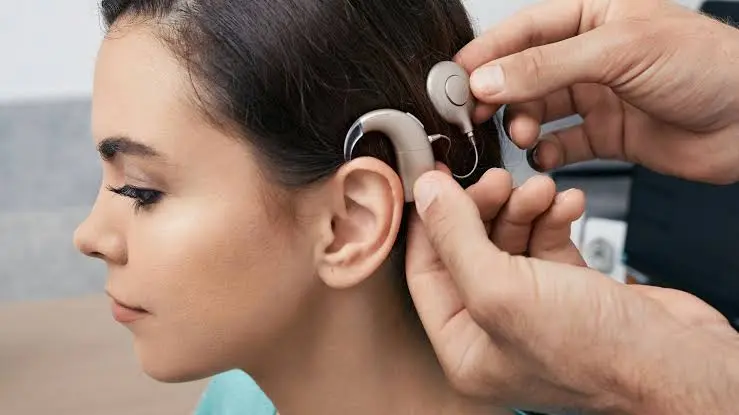
Hearing implants offer an option for certain types of hearing loss, and they can be beneficial when standard devices no longer provide sufficient support. When you understand how these devices work, you’re able to make more informed choices during and after a consultation. Here’s information about hearing implants and how they can improve your well-being:
Understanding Implant Device Types
A hearing implant is a device a surgeon places in or near the ear to help transmit sound. Standard hearing aids amplify sound within the ear canal, but implants work directly with ear structures or the auditory nerve. Because of this difference, implants are appropriate when amplification alone is insufficient.
Multiple types of hearing implants exist, and each addresses a different part of the hearing pathway. A specialist can recommend the most appropriate device for your situation. Options include:
- Cochlear implants: These devices bypass damaged parts of the inner ear and send signals to the auditory nerve.
- Bone conduction implants: These devices transmit sound through the skull bones rather than the ear canal.
Reviewing Implant Sound Function
Hearing implants combine an external component with an internal one, and the two work together to process sound. The external part captures sound, converts it into electrical signals, and transmits them across the skin to the internal component. This design routes sound past the parts of the ear that no longer function well. The internal component then delivers the processed signals to the appropriate structure, whether that is the auditory nerve, the middle ear, or the skull bone. Because the pathway varies by device type, the function depends on where the hearing loss occurs. A specialist reviews your test results and explains the relevant pathway; they can also describe how the system supports clearer sound. This clarity helps you weigh your options more accurately.
Exploring Implant Candidacy Factors
Hearing implants suit specific circumstances rather than every case of hearing loss. When standard hearing aids no longer provide adequate support, a specialist may recommend implants as a viable option to explore. The decision depends on the type and degree of hearing loss; the condition of the ear structures is also a factor.
Candidacy also relies on factors such as overall health and the results of a hearing evaluation. A specialist assesses these details, reviews your history, and orders tests that measure how well you process sound. Because the evaluation assesses many variables, the outcome varies from person to person; this individualized approach helps determine whether an implant aligns with your needs.
Learn More About Hearing Implants
Hearing implants provide a structured option for certain types of hearing loss, and understanding their function helps you compare your choices. Each device type, sound pathway, and candidacy factor contributes to a clearer understanding of what to expect. A specialist can evaluate your hearing and discuss appropriate treatment options, whether that involves cochlear implants or bone conduction hearing devices. They also offer several non-surgical options. To determine whether an implant is right for you, schedule a consultation with a qualified hearing professional.
