


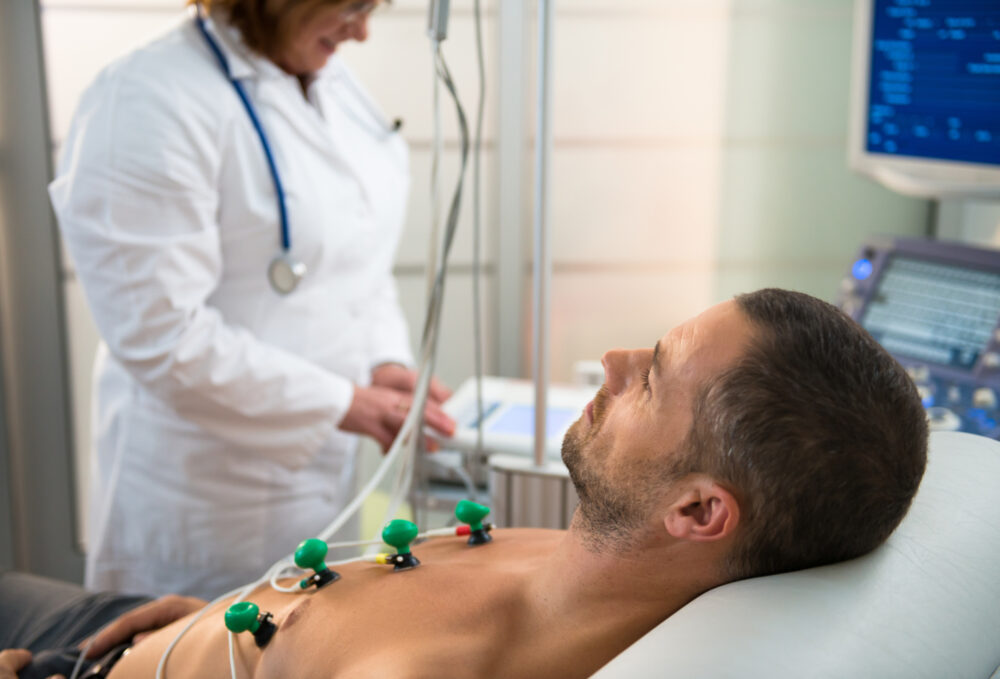
A nurse practitioner (NP) plays a significant role in improving patient outcomes in cardiology through ongoing monitoring, education, and personalized care. They support better long-term cardiovascular care by helping patients manage risk factors and follow treatment plans. Here is a closer look at the NP’s impact on patient outcomes in cardiology:
Supporting Early Assessments
Early assessment begins with gathering details about a patient’s health history. A nurse practitioner reviews symptoms, checks vital signs, and documents risk factors to build a clear picture of a person’s heart health. NPs often focus on key details during an early visit. Here are some of the key components they may review during an assessment:
- Family history: A record of heart conditions among close relatives helps frame a patient’s risk profile.
- Lifestyle factors: Habits such as diet, activity level, and sleep shape a broader view of daily routines.
- Current symptoms: Specific concerns a patient reports, such as fatigue or shortness of breath, guide the assessment.
These points provide the team with a foundation for further evaluation.
Improving Treatment Follow-Through
A treatment plan only works when a patient understands it; a nurse practitioner explains the plan in plain language, answers questions, and reviews instructions during follow-up visits. When patients know what to do next, they can follow their plan. Follow-through also depends on regular contact. An NP may schedule check-ins, track progress, and adjust guidance as needed with the supervising physician. This ongoing communication helps patients stay on course, and it gives the care team a way to identify concerns early. Consistency is a fundamental part of this process. NPs document each visit, note any changes, and share updates with the team.
Strengthening Cardiology Monitoring
Ongoing monitoring keeps a patient’s care on track over time. A nurse practitioner reviews test results, observes changes, and records details at each appointment, thereby supporting continuity. Here are some of the health metrics these practitioners measure as part of ongoing care:
- Blood pressure readings: Values recorded over time help the team observe trends.
- Medication response: How a patient reacts to a prescribed plan informs future discussions with the physician.
- Symptom changes: Changes a patient reports between visits add detail to the overall picture.
These metrics, when evaluated collectively, enable the care team to make informed decisions and effectively tailor treatment plans to the patient’s needs.
Enhancing Patient Education
Education is a key element of cardiology care. A nurse practitioner explains conditions, describes treatment steps, and clarifies instructions, so patients leave a visit with a clear understanding. When patients know what to expect, they can take part in their own care more fully.
Care coordination connects the people involved in a patient’s treatment. An NP may communicate with physicians, specialists, and support staff, and this coordination helps keep everyone aligned. They also serve as a regular point of contact. They answer questions between visits, direct patients to the right resources, and keep records up to date for the team.
Visit a Nurse Practitioner Today
A nurse practitioner supports cardiology care through early assessment, treatment follow-through, ongoing monitoring, and patient education. They work with cardiologists and other staff to keep care organized, and their constant communication helps patients stay informed at each step. Contact a qualified nurse practitioner near you to schedule your appointment and learn more about cardiology care today.
