


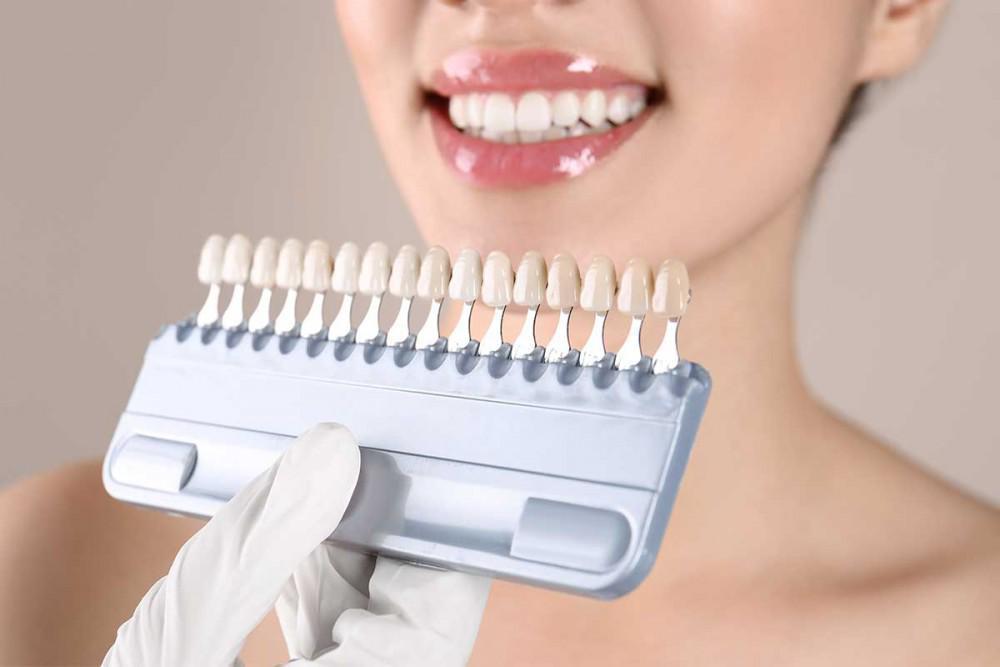
Veneers offer a way to address chips, stains, or gaps in teeth through a cosmetic dental procedure, improving the appearance of the smile. This thin shell is custom-made for each tooth, and it covers visible imperfections to create a uniform appearance. Patients evaluating veneers benefit from understanding the process before committing to treatment. Here is more information on what these dental devices are, how they function, and the people they help most:
What Are Veneers?
Veneers are thin, custom-made shells designed to cover the front surface of teeth. Dentists typically craft them from porcelain; this material is durable and offers a natural appearance. Porcelain veneers also resist stains and mimic the light-reflecting quality of natural enamel. Each veneer is bonded directly to a tooth, masking flaws and improving overall shape. A dentist selects the material based on the patient’s goals and dental condition.
How Do They Work?
The process begins with a consultation; a dentist examines the teeth and discusses treatment goals. After this assessment is conducted, the dentist removes a small amount of enamel from the tooth surface to make room for the veneer. This step creates a secure bonding surface and prevents the veneer from appearing bulky.
The dentist takes an impression of the prepared teeth. They then send it to a dental laboratory, and the lab fabricates each veneer to match the size, shape, and color discussed during the consultation. Once the veneers are ready, the dentist bonds them to the teeth using a specialized dental cement and hardens the bond with a curing light. The result is a fitted, permanent restoration.
Who Do They Help?
Veneers are a solution for various cosmetic dental concerns, including:
- Discolored Teeth: They are suitable for individuals whose teeth do not respond to traditional whitening treatments.
- Damaged Teeth: Veneers can correct issues such as chipped, broken, or worn enamel.
- Misalignment and Gaps: They are also an option for closing small gaps between teeth or correcting minor misalignments.
A dentist will evaluate a patient’s oral health to determine if these dental devices are the appropriate treatment option, as healthy gums and sufficient enamel are necessary for a successful outcome.
How Are Smiles Transformed?
Veneers transform smiles by correcting multiple imperfections at once. A single set of veneers can whiten discolored teeth, reshape uneven edges, and close visible gaps; this combination can produce a balanced, symmetrical appearance that looks natural. The transformation also extends to tooth color, since porcelain veneers come in a range of shades. A dentist matches the veneers to a patient’s desired brightness, creating a consistent look across the smile.
What Are the Benefits?
Veneers offer several practical benefits beyond appearance. Porcelain veneers resist staining from coffee, tea, and other common sources, which helps the smile stay bright over time. The bonding process also adds a layer of protection to the front of each tooth, and this helps prevent tooth damage.
Durability is another advantage; porcelain veneers can last many years with proper care. Maintenance requires only regular brushing, flossing, and dental checkups. Patients may experience an improved appearance, which in turn helps enhance overall quality of life.
Learn More From a Dentist
Veneers provide a reliable way to address stains, chips, gaps, and minor misalignment through a single cosmetic procedure. The process involves a consultation, tooth preparation, and bonding, and it suits patients with healthy gums and sufficient enamel. The results include a brighter, more uniform smile and added protection for the front of each tooth. If you are looking ot learn more, schedule a consultation at a dental clinic.
