


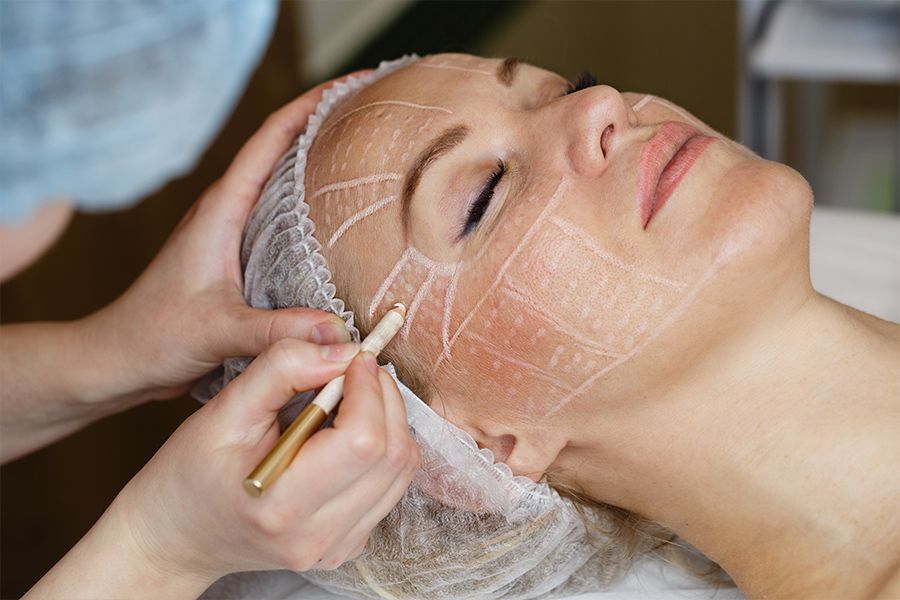
Skin rejuvenation refers to treatments that improve the skin’s surface, texture, and overall appearance. These treatments can vary widely, and they are selected based on specific skin concerns and desired results. Because each option works differently, a licensed provider evaluates the skin before recommending a treatment plan. Here are some methods for skin rejuvenation:
Choosing Injectables
Injectables are a common part of a skin rejuvenation plan because they address changes linked to facial aging. Neuromodulators relax targeted muscles that create expression lines, often on the forehead or around the eyes. Dermal fillers add volume to areas where the face has lost fullness, such as the cheeks or lips. Product type, placement method, and the amount used all affect the result. Before treatment begins, patients complete a consultation; this includes a facial assessment and a review of prior treatments.
Not every patient wants a dramatic change. Many ask for subtle adjustments that soften one area while leaving facial movement largely intact. This approach often involves smaller amounts of filler or neuromodulators, placed according to a precise plan. Downtime is usually limited, but swelling, redness, or bruising may occur for a short period.
Resurfacing the Skin
Texture changes, discoloration, and acne marks often lead people to seek resurfacing treatments. These methods work by removing damaged outer layers or triggering controlled skin turnover, so they improve skin texture and create a smoother, more even-looking surface. Because the process varies by treatment, recovery time differs from one option to another. A few types of skin resurfacing include:
- Chemical peels: These use acids to exfoliate the skin. Light peels can help with dullness and minor unevenness, while medium-depth peels are used for noticeable pigment changes or textural problems.
- Light therapy: LED red or blue light treatments support skin healing and collagen activity without downtime. Light therapy helps calm inflammation and gradually improve overall skin quality.
- Heat: Heat-based resurfacing is primarily performed using non-laser technology that delivers controlled thermal energy to stimulate collagen production and resurface the skin. It can improve fine lines, texture, and mild scarring while being less aggressive than traditional laser resurfacing.
Before recommending a resurfacing treatment, your provider will review factors like sun exposure, current skincare products, and skin tone. This allows them to choose a safe skin rejuvenation option for your skin and tailor the treatment to match your goals. Some patients prefer lighter treatments with gradual results, but others choose intensive options for faster visible improvement.
Scheduling Microneedling
Microneedling stimulates collagen production, and it addresses various skin concerns such as fine lines and acne scars. The procedure uses very small needles to create controlled micro-injuries in the skin. These tiny channels trigger a repair response, which helps repair uneven texture and enlarged pores. Skin needs time to recover between sessions, so appointments are spaced a few weeks apart. A provider usually adjusts the schedule based on skin sensitivity, treatment intensity, and the area being treated.
Learn More About Skin Rejuvenation
Skin rejuvenation includes several treatment paths, each serving a different purpose. Injectables, resurfacing procedures, and microneedling differ in their methods and recovery times, so an evaluation with a qualified provider helps determine which is right for you. To learn more about skin rejuvenation methods, contact a med spa today.
