


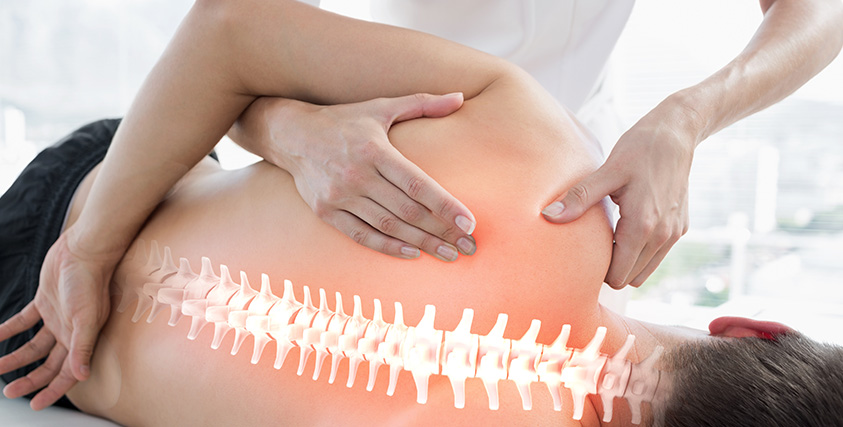
Spine pain can affect posture, movement, sleep, and the ability to complete daily activities comfortably. Management may involve a combination of physical therapy, lifestyle changes, or surgical evaluation, depending on the cause and severity of symptoms. Here is a closer look at the different approaches for managing spine pain:
Assessing Pain and Diagnosis
Diagnostic protocols establish the foundation for all clinical care plans. A thorough clinical evaluation is a key step, and healthcare providers use this process to identify the exact source of your spine pain. Here’s how specialists assess pain:
- Physical Examination: A provider evaluates mobility, muscle strength, and nerve function to identify the affected regions and assess functional limitations.
- Imaging Tests: X-rays, MRI scans, and CT scans provide detailed views of the spinal column’s structural integrity, revealing disc herniations or bone spurs.
- Nerve Studies: Electromyography measures electrical activity in muscles, which helps specialists detect potential nerve damage or active compression.
- Patient History: A detailed review of past medical events and daily lifestyle habits helps doctors create an accurate clinical picture.
These objective measurements provide a clear picture of the spinal anatomy. Once the medical team gathers this diagnostic information, they can then develop a targeted strategy.
Exploring Non-Surgical Options
Non-surgical methods are the first line of defense for individuals with mild to moderate spinal pain. Physical therapy is a fundamental component of conservative care, and it helps patients build core strength to improve spinal flexibility. Targeted exercises relieve pressure on spinal discs. Medical providers also prescribe specific therapeutic modalities, such as ultrasound or electrical stimulation, to promote localized blood flow and tissue healing.
Pharmacological interventions frequently accompany physical therapy to manage localized discomfort. Over-the-counter medications provide short-term relief, and muscle relaxants address severe muscle spasms that limit functional movement. Lifestyle modifications play a key role in supporting the healing process and preventing future structural complications. Patients who maintain a healthy weight can reduce the mechanical stress on their skeletal system.
Using Interventional Pain Procedures
Conservative treatments do not always resolve severe structural symptoms. When conservative measures fail to provide adequate relief for spine pain, clinical specialists often recommend minimally invasive procedures. Here are some of them:
- Epidural Steroid Injections: Physicians inject corticosteroids directly into the epidural space to decrease severe nerve inflammation and localized swelling.
- Nerve Blocks: Medical providers deliver anesthetic medication near specific neural pathways to interrupt pain signals before they reach the central nervous system.
- Radiofrequency Ablation: This precise technique uses thermal energy to temporarily disable sensory nerve fibers, reducing discomfort for extended periods.
- Spinal Cord Stimulation: Surgeons implant a small device that delivers mild electrical pulses to the spinal cord, masking pain signals transmitted to the brain.
Interventional pain procedures offer targeted symptom management, and they often help patients delay or avoid more invasive surgical operations entirely.
Planning Long-Term Care
Surgical intervention is a fundamental approach to treating spine pain in cases of structural instability. Orthopedic surgeons and neurosurgeons carefully evaluate the clinical data to determine the most appropriate surgical technique for the patient. A laminectomy creates extra space within the spinal canal, which relieves the physical pressure on pinched nerves. Spinal fusion permanently connects two adjacent vertebrae, and this process eliminates painful motion in the affected skeletal segment. Artificial disc replacement is another advanced option where a surgeon replaces a damaged spinal disc with a synthetic device.
Schedule Care for Spine Pain
Spine pain requires a comprehensive management plan. Medical professionals offer various types of care, ranging from conservative physical therapy to advanced surgical interventions. Identifying the right treatment approach is a key step in restoring functional mobility, and it greatly enhances daily life. Contact a qualified orthopedic specialist near you to schedule your appointment for spine pain today.
