


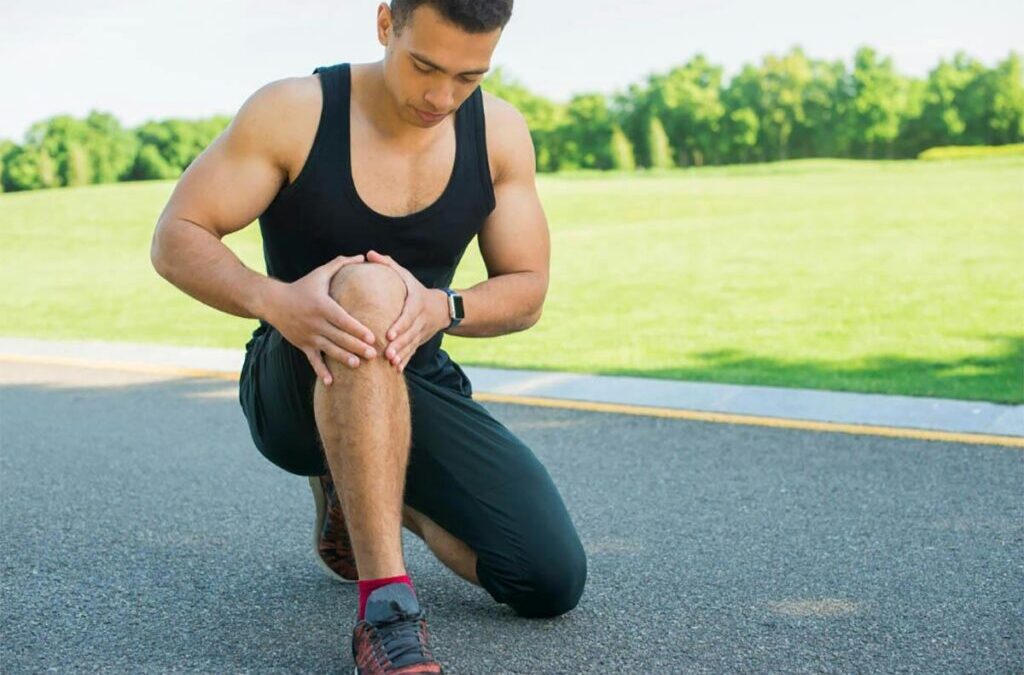
Knee pain affects daily movement, and physical activity plays a direct role in how the joint feels and functions. Exercise supports the muscles around the knee, and regular movement helps improve joint function for many people with knee pain. The right combination of strengthening and stretching promotes healthy movement, and people who pace themselves protect the surrounding muscles while they stay active.
Understanding the Cause of Knee Pain
Knee pain has many possible causes. Pain sometimes develops from conditions affecting the knee itself, and it also can result from problems elsewhere in the leg or reduced blood flow. Identifying the underlying cause helps guide treatment, and different conditions require different approaches to care. Tight muscles around the knee contribute to discomfort, and stretching helps improve flexibility when movement becomes limited.
Strengthening the Muscles Around Joints
Strong muscles act like a support system for the knee joint. Exercises that strengthen the muscles around the knee improve movement, and building strength gradually helps the body adapt to physical activity. The muscles surrounding the knee help absorb some of the stress placed on the joint, and steady progress supports better movement over time.
Regular activity builds strength without placing unnecessary demands on the knee. Starting slowly creates a solid foundation, and increasing activity as strength improves helps maintain a consistent routine. Paying attention to proper form during exercise supports healthy movement and reduces unnecessary strain on the joint.
Stretching to Improve Flexibility
Daily stretching keeps muscles flexible and helps the joint move through its natural range of motion. Stretching the muscles around the knee reduces tightness, and improved flexibility supports comfortable movement during physical activity. Gentle, controlled movements work best, and regular stretching helps maintain mobility over time.
Warm-up activities prepare the body before exercise. Light movement increases blood flow to the muscles, and a gradual start helps the body transition into physical activity. Stretching after activity helps the body return to a resting state, and this routine supports flexibility after exercise.
Consistency supports long-term mobility. Regular stretching fits easily into a daily routine, and maintaining flexibility helps the knee move more comfortably during physical activity. These habits support healthy movement over time while complementing a balanced exercise routine.
Knowing When to Stop Activity
Exercise supports many causes of knee pain, but some symptoms signal that medical evaluation is appropriate. Pain that continues to worsen with activity deserves attention, and persistent discomfort can point to an underlying condition that requires treatment. Watch for the following:
- Fever
- Pain that is not improving
- Pain that intensifies with activity
A doctor evaluates these symptoms and recommends the appropriate approach. Treatment depends on the underlying cause, and conservative treatment options may be appropriate before other procedures are recommended.
Take the First Step Today
Knee pain responds to steady, well-paced movement, and a balanced routine of strengthening and stretching supports the joint during physical activity. Good form protects the muscles, and gradual progress helps maintain healthy movement over time. Persistent or worsening knee pain warrants medical evaluation so the underlying cause can be identified and treated.
