


When you wake up with a high fever or twist your ankle on the weekend, you need care quickly. Your primary care doctor may not have an open appointment, or the medical office could be closed. You consider the emergency room, but the condition is not life-threatening. Urgent care fills that gap between primary care and emergency care. It provides prompt, convenient treatment for medical issues that require immediate attention but are not emergencies. You can walk in without an appointment, often outside normal office hours, and see a provider in less time than a typical ER visit. Here’s what to know.
Sudden Conditions
Urgent care treats common illnesses and minor injuries that appear without warning. These are problems you cannot ignore but do not require a hospital.
Common conditions include the following:
- Cold, flu, and sore throat symptoms
- Ear infections and sinus infections
- Fever without serious complications
- Sprains, strains, and minor fractures
- Cuts that may need stitches
- Minor burns and skin rashes
- Urinary tract infections
- Mild allergic reactions
These symptoms often appear when you least expect them. A child spikes a fever overnight. You slice your finger while cooking. Urgent care gives you a place to go without the long wait of an emergency room.
Treatments and Exams
Urgent care does more than diagnose. Providers can treat many conditions during the same visit and give you a clear plan to follow at home.
You can expect services such as:
- Physical exams: Many centers offer school, sports, and employment physicals.
- Wound care: Providers clean, close, and dress cuts and scrapes. They can apply stitches or staples when needed.
- Minor procedures: This includes draining abscesses, removing splinters, and treating ingrown toenails.
- Routine treatment: You can receive prescriptions, breathing treatments, and vaccinations.
If your condition needs follow-up, the provider will tell you who to see next.
On-site Testing
Many urgent care centers offer diagnostic testing on-site. This means you can get answers during your visit instead of waiting days for outside results.
Common on-site testing includes the following:
- Lab tests: Rapid strep, flu, COVID-19, blood sugar, and urine tests are widely available.
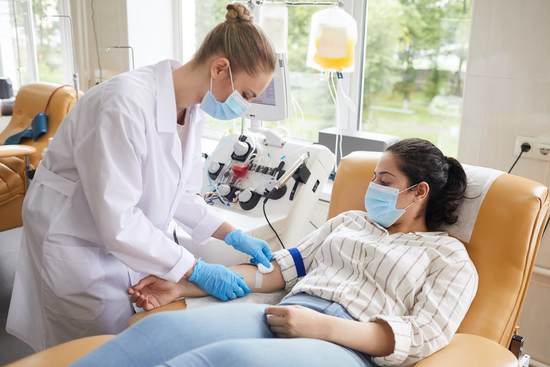
- Bloodwork: Centers can draw blood for basic panels and send samples to a partner lab.
- Imaging: Many locations offer X-rays to check for fractures and other injuries.
Not every center offers every test. Imaging like CT scans or MRIs is usually done at hospitals. If your case requires advanced testing, your provider will refer you to the correct facility.
Know When to Visit Urgent Care
Urgent care is a good option when your problem needs prompt attention but is not life-threatening. Choose the emergency room or call 911 for serious symptoms. These include:
- Chest pain or trouble breathing
- Signs of a stroke, such as slurred speech or facial drooping
- Severe bleeding that will not stop
- Major head injuries
- Loss of consciousness
Start by finding a center near you and checking its hours and services. Confirm whether it offers imaging or specific lab tests if you think you may need them. Keeping that information ready means you can act quickly the next time a sudden health issue comes up.
