


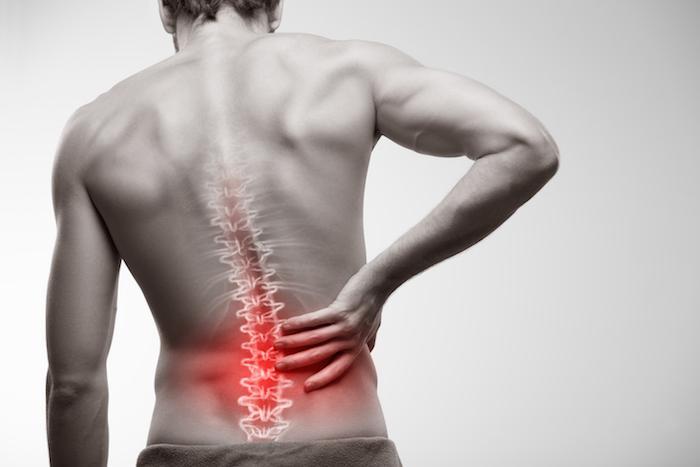
Pain that travels from the lower back down through the leg is a familiar experience for many adults. One common source of this discomfort is sciatica; this is a condition tied to the body’s longest nerve. Sciatica affects a wide range of people, from office workers who sit for long hours to individuals with physically demanding jobs. Understanding what sciatica is, how it develops, and what the symptoms are can help you make informed decisions about your health and know when to seek professional care.
What Is Sciatica?
Sciatica refers to pain that follows the path of the sciatic nerve. This nerve begins in the lower back, and it branches through the hips and buttocks down each leg. When something places pressure on or irritates this nerve, the result is the set of symptoms commonly grouped under the term sciatica.
Several conditions can trigger this irritation. A herniated disc is one of the most common causes. The discs between the vertebrae act as cushions, and when one slips or bulges out of place, it can press against the nerve. Another related condition is spinal stenosis, a narrowing of the spinal canal that often develops with age. Injuries, a sedentary lifestyle, and certain repetitive movements can contribute as well. Age plays a role too, since the spine naturally changes over time.
What Are the Symptoms?
The most recognizable sign of sciatica is pain that radiates from the lower back or buttocks down one leg, which may feel sharp or burning. The sensation is mild and occasional for some people. For others, it can be more persistent, and it is disruptive to daily activities. Beyond pain, sciatica may bring other sensations. Many individuals report numbness or tingling along the affected leg or foot. A feeling of weakness in the leg is also common, and this can make standing or walking more difficult. Symptoms typically appear on only one side of the body.
How Is It Treated?
Treatment for sciatica generally begins with conservative, non-surgical approaches. People may find relief through rest, combined with a gradual return to gentle activity. Physical therapy is another option; a trained therapist can guide you through stretches and exercises designed to relieve pressure on the nerve and strengthen the muscles that support the spine.
When symptoms persist despite these measures, a medical provider may suggest other interventions. These can include injections aimed at reducing inflammation around the nerve. Surgery is typically reserved for cases that do not respond to other treatments, or it may be used in situations that involve significant nerve compression. The right path depends on the underlying cause, the severity of symptoms, and your overall health.
Consult a Spine Expert
Sciatica can improve with time and conservative care, but ongoing or worsening symptoms call for professional attention. Seeking guidance early may shorten recovery, helping you return to your regular routine sooner. If you are experiencing symptoms that interfere with daily life, schedule a consultation with a spine expert who can offer clear answers and treatment tailored to your needs.
