


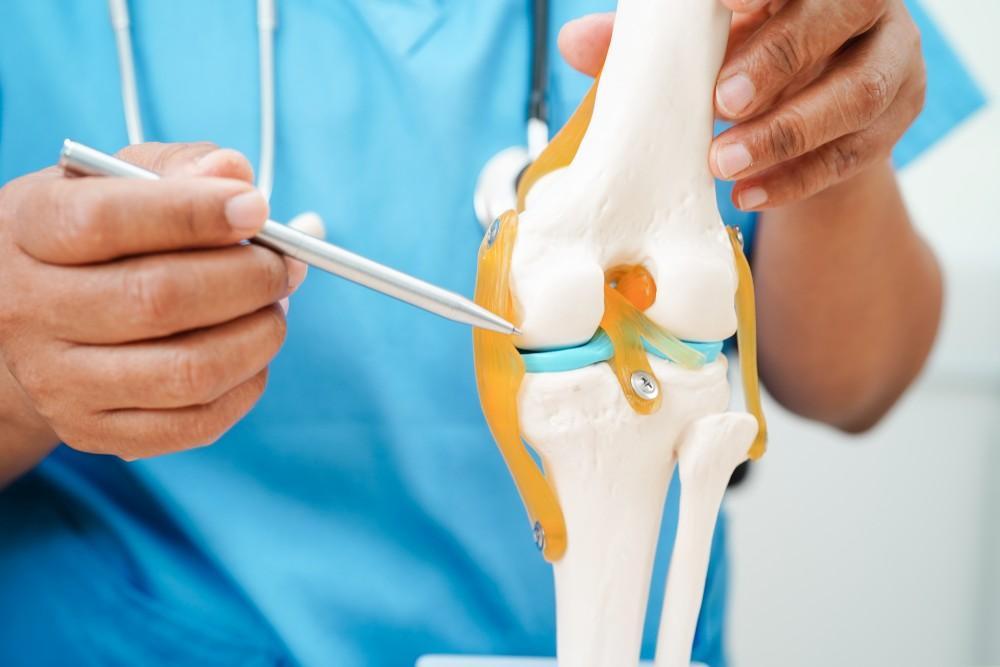
Arthroplasty, known as joint replacement surgery, is a procedure where a surgeon removes a damaged joint and replaces it with an artificial component made of metal, plastic, or ceramic. This artificial joint, called a prosthesis, replicates the movement of a natural joint. Surgeons most often perform arthroplasty on hips and knees, though other major joints can also be treated. Here’s information on the benefits of a joint replacement surgery:
Reducing Long-term Pain
Persistent joint pain is a common reason people discuss surgical intervention. When cartilage wears away, bones may rub against one another, creating discomfort during movement and rest. Replacing the damaged joint addresses this source of joint friction. By removing the worn portions of the joint, the procedure targets the area responsible for ongoing pain.
Supporting Recovery Through Rehabilitation
The added prosthesis creates a new, smooth surface that allows the joint to move without the grinding that often accompanies joint deterioration. Because healing takes time after major surgery, recovery does not end in the operating room. Physical therapy plays a central role in recovery plans, and patients typically follow a guided program to rebuild strength and flexibility. These exercises help the surrounding muscles support the new joint.
Monitoring Progress Over Time
Regular check-ins help confirm that the joint is functioning as intended, and they give patients an opportunity to discuss any concerns during recovery. Follow-up appointments after a joint replacement surgery allow the surgical team to track healing, enabling timely adjustments to care plans as needed. This follow-up promotes effective recovery while introducing more mobility exercises.
Increasing Mobility
A worn hip or knee may make walking, climbing stairs, or standing for long periods challenging. This is because damaged joints can limit how far and how comfortably a person moves. Many individuals who undergo arthroplasty find that everyday tasks become more manageable, making routine activities that once required effort easier.
Joint replacement aims to restore smoother movement by replacing the surfaces that have deteriorated. Improved range of motion can support a return to gentle exercise, which physical therapists often recommend during recovery from surgery. The combination of a new joint and a structured rehabilitation plan helps the body adjust to its restored function over time, improving someone’s independence and quality of life.
Improving Quality of Life
Beyond mobility and pain, joint replacement can influence daily living in broader ways. When movement becomes more comfortable, people often find it easier to participate in activities they value, such as spending time with family, gardening, or walking. The renewed ability to engage with these activities can contribute to a greater sense of independence. Sleep can also improve when joint discomfort lessens, and better rest supports overall well-being. Each person’s experience differs, and outcomes depend on factors such as age, overall health, and adherence to a recovery plan.
Learn More About Joint Replacement
Joint replacement surgery addresses worn or damaged joints through the use of a prosthesis. Mobility, pain management, and daily comfort are common discussion points for people exploring this option, and a conversation with a surgeon can clarify how the procedure might apply to you. To learn more, schedule a consultation with an orthopedic surgeon who can evaluate your joints and discuss appropriate options. A thorough assessment allows you to review the potential benefits, the recovery process, and the steps involved with surgery.
