


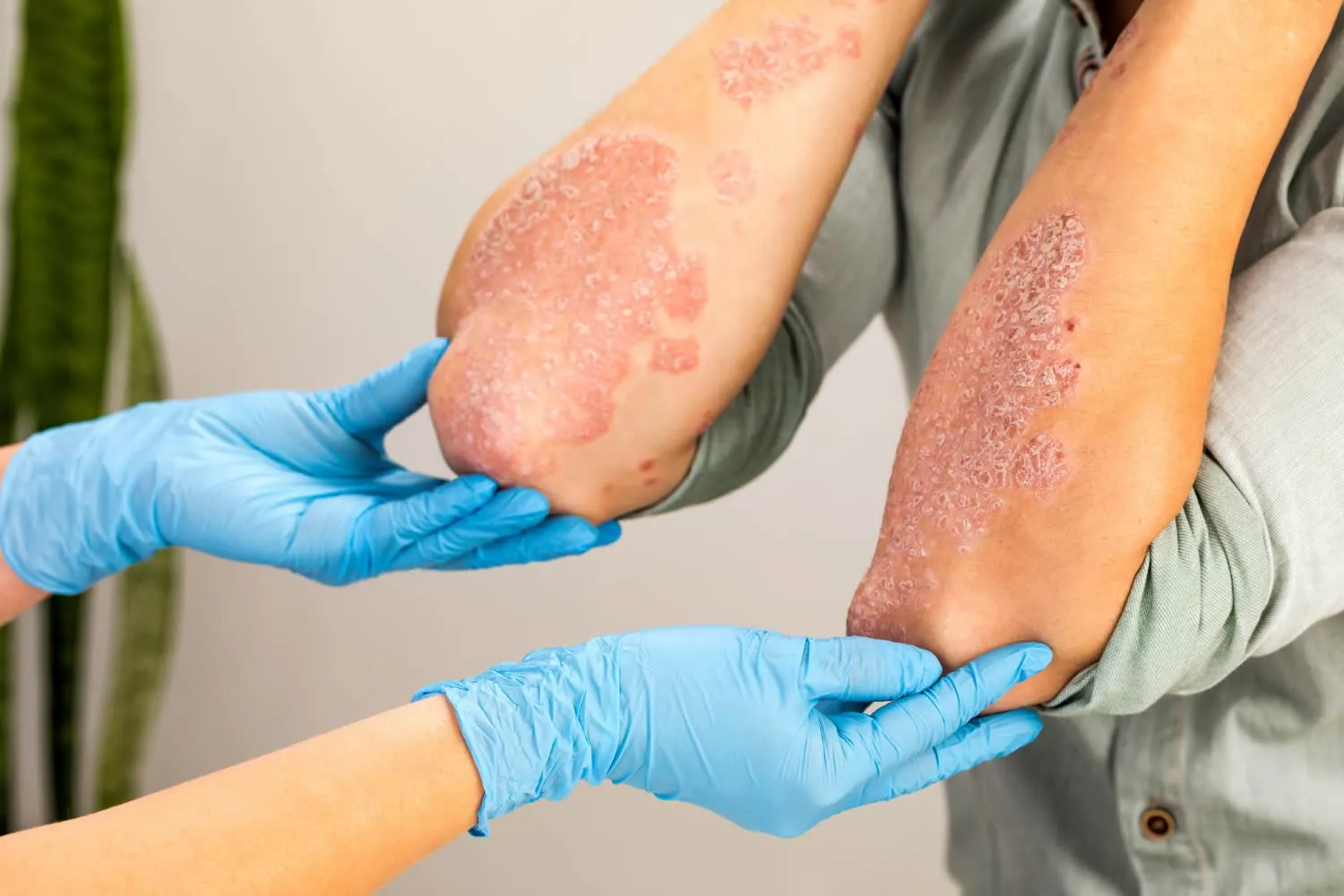
Eczema is a chronic skin condition that affects millions of patients in the United States. It causes red, itchy patches on the skin that can appear anywhere on the body. A dermatologist can identify this condition, and they will recommend specific therapies based on the diagnosis. Understanding the diagnostic process helps patients prepare for their visits.
What Is a Dermatologist?
A dermatologist is a medical doctor who specializes in skin conditions. They treat a wide range of issues, including acne, skin cancer, and various forms of dermatitis. Patients visit these specialists for routine checkups, and they may schedule appointments when specific skin problems arise. A standard consultation involves a physical examination, during which the doctor will document any visible abnormalities.
What Is Eczema?
Eczema is a term for a group of conditions that cause skin inflammation. The skin barrier becomes compromised, allowing moisture to escape and environmental irritants to enter the body. This condition affects both children and adults, and it may present as a long-term medical issue with periodic flare-ups.
A compromised skin barrier leads to a cycle of itching and scratching, which exacerbates inflammation. Patients experience varying degrees of severity, and the symptoms can fluctuate throughout the year. Medical management aims to restore the skin barrier. This approach helps minimize the frequency of flare-ups.
What Causes It?
The exact cause of eczema remains unknown, though a combination of genetic and environmental factors contributes. Individuals with this condition often have a hyperactive immune system that overreacts to small irritants or allergens. Certain triggers can worsen the condition. These triggers include harsh soaps, cold weather, and stress.
Environmental factors, such as changes in humidity, drive inflammation, prompting sudden flare-ups. Dry air pulls moisture from the skin, while excessive sweating can irritate existing rashes. Identifying personal triggers is an integral part of medical management.
What Are the Symptoms?
Symptoms vary widely among patients, but they typically involve dry and itchy skin. People often develop rashes on specific body parts. The affected skin can become scaly and rough. Scratching the area leads to further irritation, sometimes causing secondary skin infections.
How Is It Diagnosed?
Dermatologists diagnose this condition by examining the skin, and they carefully review the patient’s medical history, facilitating a comprehensive evaluation. They look for classic signs of a rash, and they may ask specific questions about past skin issues. A thorough visual examination may be sufficient for some patients.
Sometimes the doctor needs more information, so they will conduct allergy testing to rule out other conditions. Patch testing helps identify specific allergens by placing small amounts of substances on the skin. The doctor observes the skin for reactions. This data helps them formulate a precise diagnosis.
How Is It Treated?
Treatment focuses on healing the skin and preventing future flare-ups. Dermatologists may prescribe medications to reduce inflammation during acute breakouts. Doctors may instruct patients on the proper application of these creams, and they monitor the skin for side effects over time.
Phototherapy is another clinical option that uses controlled ultraviolet light to reduce skin inflammation. Patients undergo light therapy sessions in a clinical setting, and the dermatologist monitors their progress. This method may help patients who do not respond to traditional topical treatments.
Schedule a Dermatology Appointment Today
Eczema requires proper medical evaluation, and a dermatologist can provide an accurate diagnosis. They will create a targeted treatment plan for your skin that addresses your specific symptoms. Contact a local dermatology clinic to schedule an appointment today.
