


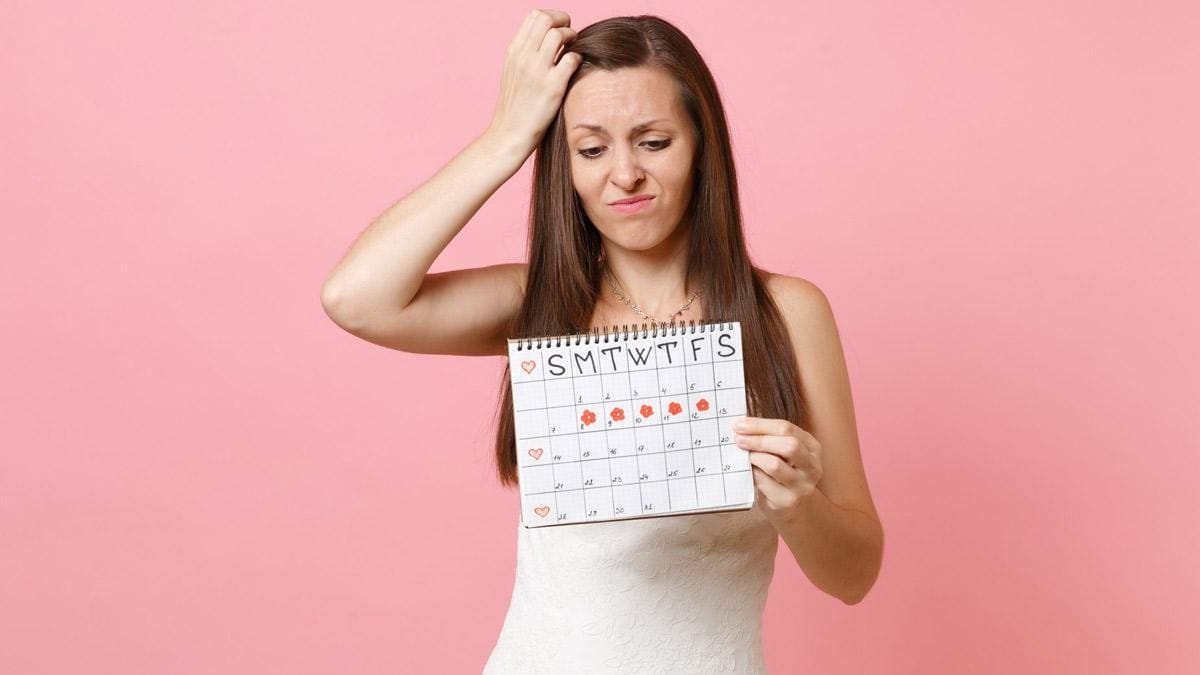
A menstrual cycle is often treated as something that should simply “stay on track,” but in reality, it is one of the most sensitive indicators of overall health in women. When periods become irregular, it is not just a reproductive issue. It can be a signal that something in the body needs attention.
Irregular periods are common, but that does not mean they should be ignored. Understanding why they happen can help identify underlying health issues early and improve long-term well-being.
What Are Irregular Periods
A normal menstrual cycle typically ranges from 21 to 35 days. Irregular periods occur when:
- The cycle length frequently changes
- Periods are missed without pregnancy
- Bleeding is unusually heavy or light
- Cycles become unpredictable
Occasional variation is normal, but consistent irregularity may indicate hormonal or health-related issues.
Common Causes of Irregular Periods
1. Hormonal Imbalance
Hormones such as estrogen and progesterone regulate the menstrual cycle. When these hormones are out of balance, the cycle becomes irregular.
This can be caused by:
- Stress
- Weight changes
- Medical conditions
2. Polycystic Ovary Syndrome (PCOS)
PCOS is one of the most common causes of irregular periods.
It can lead to:
- Missed or delayed periods
- Excess androgen levels
- Ovarian cysts
PCOS also affects fertility and metabolism, making early diagnosis important.
3. Stress and Emotional Pressure
Stress directly affects the hypothalamus, the part of the brain that controls reproductive hormones.
High stress levels can:
- Delay ovulation
- Skip periods
- Disrupt cycle consistency
4. Sudden Weight Changes
Both weight gain and weight loss can affect menstrual regularity.
Low body fat may reduce estrogen production, while excess weight can disrupt hormone balance.
5. Thyroid Disorders
The thyroid gland plays a key role in regulating metabolism and reproductive hormones.
Both hypothyroidism and hyperthyroidism can cause irregular menstrual cycles.
6. Excessive Exercise
Intense physical training can reduce estrogen levels, especially in athletes.
This may lead to:
- Missed periods
- Light periods
- Complete cycle disruption
Symptoms That Should Not Be Ignored
While occasional changes are normal, persistent symptoms require attention:
- No period for several months
- Extremely heavy bleeding
- Severe menstrual pain
- Sudden cycle changes
These signs may indicate underlying health conditions.
How Irregular Periods Affect Health
Irregular cycles can affect more than just reproduction. They may lead to:
- Fertility issues
- Hormonal imbalance
- Mood changes
- Fatigue
- Skin problems
Understanding the cause helps prevent long-term complications.
When to See a Gynecologist
Medical advice should be considered if:
- Cycles remain irregular for several months
- Pain becomes severe
- There are signs of hormonal disorders
Early evaluation helps in accurate diagnosis and treatment.
How Irregular Periods Are Diagnosed
A gynecologist may recommend:
- Blood tests for hormone levels
- Ultrasound scans
- Thyroid function tests
- Lifestyle assessment
These tests help identify the root cause of irregular cycles.
Treatment Options
Treatment depends on the underlying cause.
Common approaches include:
- Hormonal therapy
- Lifestyle changes
- Weight management
- Stress reduction techniques
- Treatment for thyroid or PCOS
Lifestyle Changes That Help Regulate Cycles
Balanced Diet
A nutrient-rich diet supports hormone regulation.
Include:
- Fruits and vegetables
- Whole grains
- Healthy fats
Regular Exercise
Moderate physical activity helps maintain hormonal balance.
Stress Management
Reducing stress improves cycle consistency.
Techniques include:
- Meditation
- Breathing exercises
- Adequate rest
Healthy Sleep Routine
Consistent sleep supports hormone production and regulation.
Conclusion
Irregular periods are not always a cause for panic, but they are an important health signal. They can reflect hormonal imbalance, lifestyle factors, or underlying medical conditions.
Understanding your cycle and paying attention to changes can help detect issues early and maintain better reproductive health.
If irregularity continues, seeking medical advice ensures proper diagnosis and timely treatment.
