


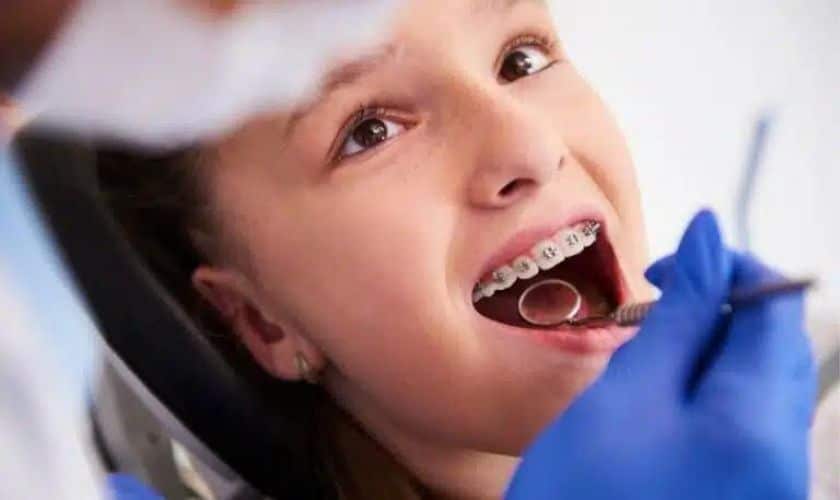
Children’s orthodontics is a specialized branch of dentistry that focuses on diagnosing and treating dental alignment issues in young patients. Correcting these issues early can prevent more severe complications later in life, and treatment requires a tailored approach for each patient. Here is more information on the specific stages of children’s orthodontics, including Invisalign:
What Is Children’s Orthodontics?
Children’s orthodontics addresses the prevention and correction of malocclusions in growing children. A malocclusion refers to misaligned teeth or jaws. Orthodontists use various dental appliances to correct these issues, and treatment options range from traditional metal braces to modern solutions like Invisalign. The primary goal is to guide jaw development, creating adequate space for permanent teeth to emerge properly.
What Are the Available Services?
Orthodontic services for children encompass a wide range of corrective appliances. Fixed appliances include traditional metal brackets that are bonded directly to the teeth. Removable appliances like clear aligners are also available, and these can be taken out for eating or cleaning. Consulting a specialist helps determine which solution is right for each situation.
What Is Invisalign?
Invisalign is a modern orthodontic system that utilizes a series of custom-made, clear aligners to shift teeth into place. These aligners are digitally mapped to fit the patient’s teeth precisely, and the system relies on steady, gentle pressure to correct malocclusions. Patients wear the trays for 22 hours each day, but they can remove them for eating and daily oral hygiene. The smooth plastic material offers a discreet alternative to traditional metal brackets.
The clear aligner process features a predictable treatment timeline, and patients receive multiple sets of trays throughout treatment. Each tray is manufactured to shift the teeth slightly. The orthodontist monitors clinical progress at scheduled appointments. This system relies on patient compliance, necessitating the child to commit to wearing the aligners for the prescribed daily duration.
What Are the Different Stages?
The orthodontic process begins with an initial evaluation. The orthodontist examines the child’s teeth, and they may take X-rays or digital scans to create a detailed treatment plan. This diagnostic phase identifies specific alignment issues, which helps determine the appropriate starting point.
Active treatment follows the initial evaluation phase. During this stage, the patient wears the prescribed appliance, and the orthodontist makes periodic adjustments to maintain progress. Regular appointments monitor tooth movement, and the duration of this active phase varies with the complexity of the case. Once the teeth reach their final positions, the active treatment concludes.
The final stage of orthodontic treatment is the retention phase. The orthodontist removes the braces or clear aligners, and they provide a custom retainer to keep the teeth in place. Patients benefit from wearing the retainer as instructed; otherwise, their teeth may gradually shift back to their original misaligned positions. This phase solidifies the results achieved during active treatment, helping to maintain long-term alignment.
What Are the Expected Results?
Completing the stages of children’s orthodontics yields several functional benefits. The treatment aligns the teeth properly, improving biting and chewing efficiency. Speech difficulties related to dental misalignment may resolve, and the jaw’s overall structural integrity improves. Properly aligned teeth are easier to clean, which may reduce the risk of tooth decay and gum disease.
Consult an Orthodontist Today
Children’s orthodontics provides a structured approach to correcting dental alignment issues. The process involves an evaluation, active treatment with appliances like Invisalign, and a final retention phase. These stages improve oral function, and they contribute to long-term dental health. Schedule an initial consultation with a licensed orthodontist today.
