


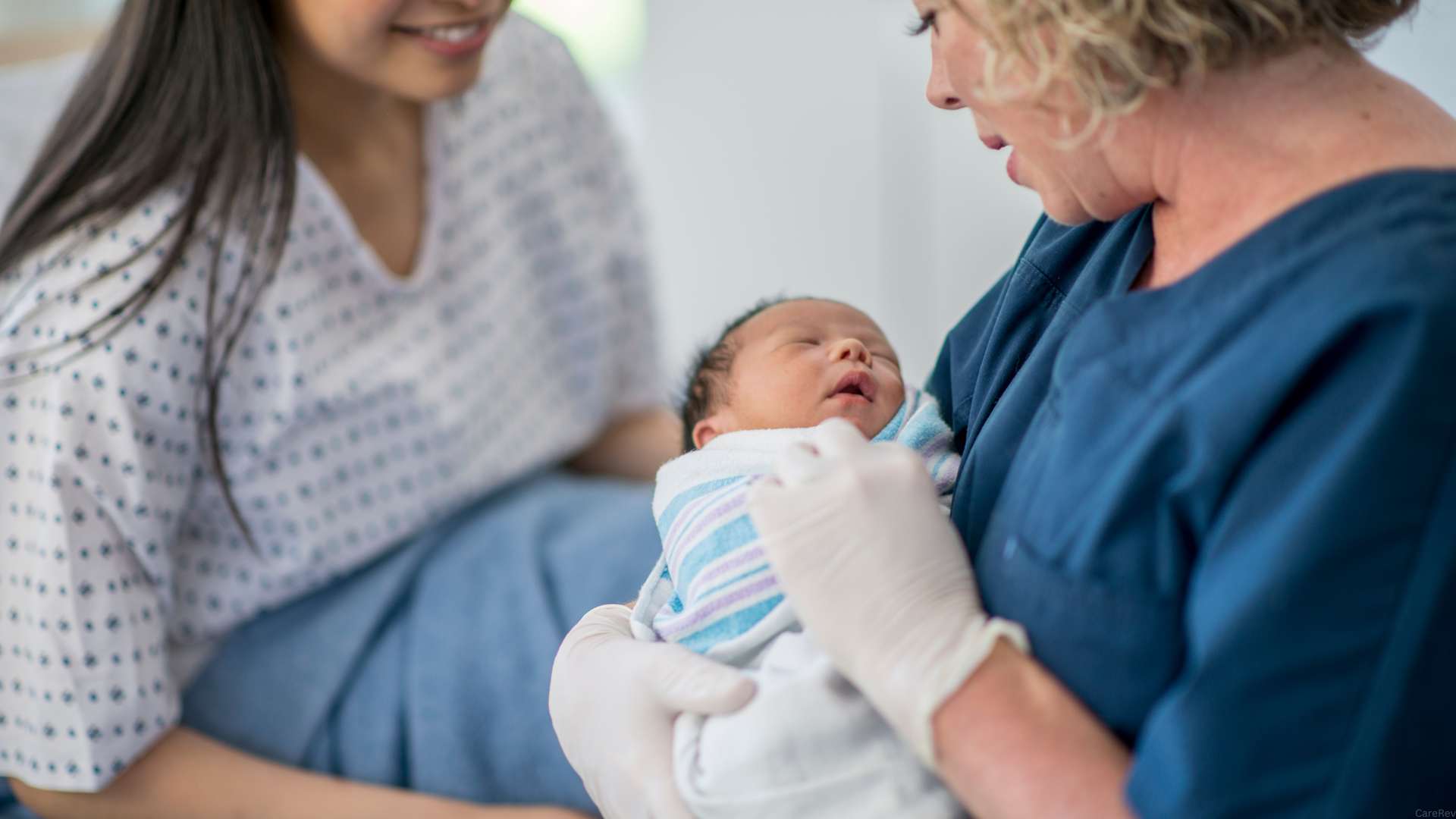
An obstetrician-gynecologist, or OBGYN, is a physician who specializes in pregnancy, childbirth, and the female reproductive system. After a baby arrives, this physician continues to play a central role in the weeks and months that follow delivery. The postpartum period often influences future decisions about having children, and it can be a good time to discuss other concerns. When early parents have questions about how to support their baby, a specialized doctor can offer help.
Birth Recovery
When a body recovers from childbirth, an OBGYN monitors the healing of tissues and the return of normal organ function. The first checkup is often scheduled within three weeks of delivery, and a comprehensive visit follows around six weeks. These appointments track healing and flag any concerns. A physician may schedule additional appointments if a birth was especially complicated.
Recovery after a vaginal birth differs from recovery after a cesarean delivery, and the physician adjusts care based on the delivery type. Incision sites are often examined during these visits to confirm proper healing after a cesarean section. For a vaginal birth, checking stitches and bleeding are often prioritized. A new parent may report symptoms such as heavy bleeding, fever, or pain. The OBGYN evaluates these signs and recommends treatment when needed.
Postpartum Education
The OBGYN provides clear information about the changes that occur in the weeks after delivery. Topics often include physical activity limits, nutrition, breastfeeding, and signs that call for medical attention. A patient usually receives guidance tailored to the individual recovery process. This education helps a new parent understand what falls within a typical range, giving them clear expectations for recovery.
Mental health is another subject covered during postpartum visits, and the physician screens for conditions such as postpartum depression and anxiety. Mood changes are common in the early weeks, yet persistent symptoms warrant a closer look. The OBGYN asks structured questions to identify these patterns. A referral to a specialist may follow when symptoms continue.
Family Planning
Family planning discussions address whether and when a person wants future pregnancies, and these discussions may occur even if the parent is unsure. The OBGYN reviews the spacing of pregnancies and explains how the body recovers between them, giving some understanding for future possibilities. A clear timeline helps frame these conversations.
Contraceptive options are often reviewed during postpartum visits, and the physician explains how each method works alongside breastfeeding. Since there are various methods, the OBGYN can match each option to the patient’s health history and personal goals. A decision is made through discussion rather than a single recommendation. Some potential options include hormonal contraception, IUDs, and barrier methods.
Some patients want information about fertility after childbirth, and the physician explains when menstrual cycles typically resume. The timing varies based on factors such as breastfeeding and individual hormone levels. Since fertility can increase temporarily directly after childbirth, the OBGYN often how this can affect the patient. This information supports planning for the months ahead.
Contact an OBGYN
An OBGYN remains a steady point of contact throughout the postpartum period, and regular visits keep recovery on track. Since symptoms and future family planning become relevant shortly after birth discussing these factors with a physician can be helpful. Consult with your OBGYN to discuss postpartum care and what to expect.
