


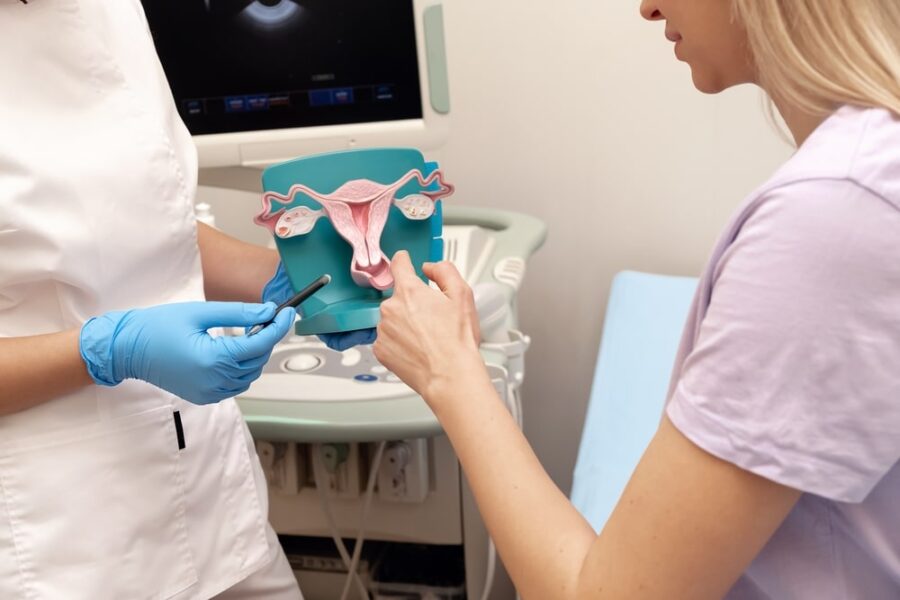
Routine visits with an OBGYN form a steady part of preventive healthcare. An OBGYN is a doctor who specializes in obstetrics and gynecology, which covers reproductive health, pregnancy, and conditions that affect the female body. Regular appointments allow for ongoing monitoring, early detection of problems, and education about changes that occur across different life stages.
Reproductive Health
Reproductive health covers the function of the ovaries, uterus, and related organs. An OBGYN evaluates these systems during routine exams. Conditions such as endometriosis, fibroids, and irregular cycles often develop gradually. Regular visits make it easier to track these changes over time.
These appointments also support family planning. An OBGYN can review contraception options, discuss fertility, and provide guidance for those considering pregnancy. During pregnancy, the same doctor monitors fetal development and maternal health through each trimester.
An OBGYN explains how the body changes through puberty, the reproductive years, and menopause. This information helps patients recognize what is typical and what may need further attention. Consistent care across these stages creates a record that supports better long-term decisions.
Cancer Screening
Early detection improves outcomes for several cancers that affect the reproductive system. Routine OBGYN visits include screenings that look for warning signs before symptoms appear. The Pap smear checks for abnormal cervical cells that may lead to cervical cancer. Testing for human papillomavirus, or HPV, often accompanies this screening.
An OBGYN can detect lumps or changes in breast tissue and recommend mammograms when appropriate. Pelvic exams allow the doctor to assess the ovaries and uterus for irregularities. When something unusual appears, an OBGYN can order further tests or refer the patient to a specialist. Regular screening schedules vary by age and risk factors, so consistent visits keep these checks on track.
Hormone Tracking
Hormones influence many functions across the body, including the menstrual cycle, mood, and bone density. An OBGYN can monitor hormone levels and identify imbalances that affect daily health. Conditions such as polycystic ovary syndrome, known as PCOS, involve hormonal shifts that benefit from ongoing observation.
Hormone tracking becomes especially relevant during perimenopause and menopause. As estrogen levels decline, an OBGYN can explain the changes that follow and discuss management options. These may include lifestyle adjustments or hormone therapy when appropriate.
Tracking hormones over time also supports fertility planning. Levels that fall outside expected ranges can affect ovulation and conception. Regular monitoring gives an OBGYN the data needed to recommend the next step. A consistent record of hormone activity helps distinguish between temporary changes and patterns that require treatment.
Visit an OBGYN
To make the most of routine care, keep these points in mind:
- Schedule consistently. Annual visits create a reliable health record that improves long-term monitoring.
- Stay current on screenings. Ask your OBGYN which cancer screenings apply to your age and risk profile.
- Track changes over time. Report shifts in your cycle, mood, or symptoms so your doctor can adjust your care.
- Use appointments to learn. Ask questions about reproductive health, hormones, and what to expect as you age.
Start by booking a routine appointment with an OBGYN if you do not already have one. Bring a list of questions and note any symptoms you have noticed. An experienced OBGYN can guide you through preventive care, early detection, and ongoing management, giving you the information needed to make informed decisions about your health.
