


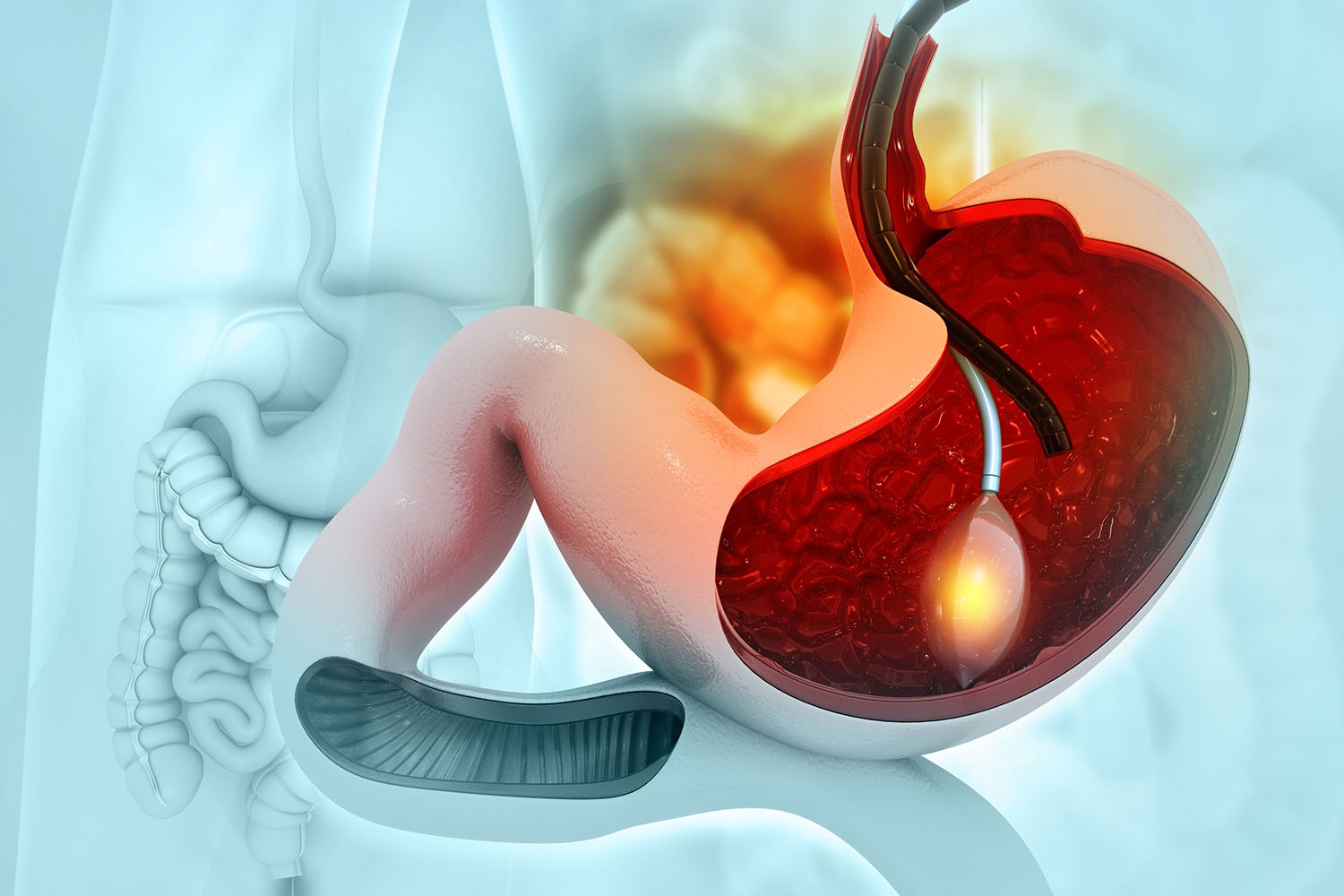
Obesity is a common condition, and medical advancements offer various treatment options. Because diet and exercise do not yield desired results for everyone, surgical interventions provide another path forward. One type of weight loss surgery is called gastric bypass surgery. It involves decreasing the size of the stomach, which enables the patient to naturally eat less and lose weight. Here is more information about gastric bypass:
Exploring Gastric Bypass Surgery
Doctors perform gastric bypass surgery to help patients lose weight. They alter the digestive system, and this physical change restricts daily food intake. Because the stomach becomes smaller, patients feel full much faster. Patients pursue this medical route when other methods of weight loss have not achieved results.
Understanding the Surgical Procedure
During the operation, the surgeon creates a small pouch at the top of the stomach. They connect this new pouch directly to the small intestine, and the food bypasses the remaining stomach section. Because the internal anatomy changes, the body absorbs fewer calories. The procedure requires general anesthesia, and medical professionals monitor vital signs continuously throughout the surgery.
Because the healing process takes time, patients must follow strict dietary guidelines. Patients start with clear liquid diets for two weeks, and they gradually transition to solid foods over several weeks. Although the initial healing takes a few weeks, full recovery requires long-term lifestyle changes. Medical teams monitor progress to help prevent post-operative complications.
Reviewing Health Benefits
Weight loss is the one visible clinical outcome of gastric bypass surgery. Weight loss surgery can result in improvements in several areas, including:
- Type 2 diabetes remission
- Sleep apnea relief
- Blood pressure reduction
Analyzing Surgical Risks
Every major surgical intervention carries medical risks. Complications from gastric bypass can include infections, and patients sometimes experience blood clots or bleeding. Since the altered digestive system absorbs fewer nutrients, vitamin deficiencies should be monitored and treated if necessary.
Because patient safety remains a top priority, doctors take proactive steps to mitigate these issues. They prescribe specific nutritional supplements, and they may administer blood tests. Following post-operative instructions and attending scheduled check-ins with your provider can help you achieve the desired results of gastric bypass.
Proper post-operative care can help you to achieve long-term success with gastric bypass. Below are some aspects of the recovery process:
- Follow dietary guidelines strictly: Transition gradually from liquid to soft foods, as recommended by your healthcare provider, to avoid complications.
- Stay hydrated: Drink plenty of fluids to prevent dehydration.
- Take prescribed supplements: Vitamins and minerals are often necessary to address deficiencies caused by reduced nutrient absorption.
- Attend follow-up appointments: Regular medical check-ins help you keep your recovery on track and allow for prompt identification of any complications.
- Monitor physical activity levels: Engage in light activities, such as short walks, in the early stages of recovery, gradually increasing intensity over time based on your doctor’s advice.
By adhering to these recommendations and maintaining open communication with your healthcare team, you can enhance the outcomes of your surgery and promote long-term health.
Ask About Gastric Bypass
Gastric bypass alters the digestive tract permanently, and the resulting changes require lifelong commitment. Surgery may be an option for you if other methods of weight loss have not achieved long-term results. To learn more about gastric bypass surgery, consult a bariatric surgery specialist near you.
