


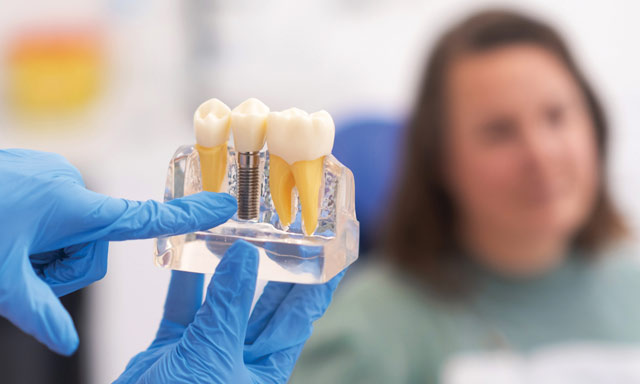
Dental implants replace missing teeth. They support artificial teeth like crowns, bridges, and dentures, and they restore chewing function and oral health. Once an implant heals, you use it much like a natural tooth, and steady care helps it last for years. The sections below explain how to maintain your dental implants and protect your oral health over time.
Practicing Daily Hygiene
Daily hygiene keeps your dental implants clean. Brushing and flossing remove debris around the implant, and these habits support the health of the surrounding tissue. Good oral hygiene reduces the chance of complications, and a clean implant site supports healing because the tissue recovers more steadily when debris stays away. Cleaning your implant works much like cleaning a natural tooth, so you apply the same practices you already follow.
The restoration attached to your implant needs attention too. Regular cleaning protects these prosthetics. Most crowns and bridges last around 15 years, and most dentures last at least seven years, though this timeline varies from one person to the next. Steady care extends the lifespan of the restoration, and the restoration will need replacing at some point even when you maintain it well. Routine dental visits help your provider evaluate the condition of both the implant and the restoration. These appointments identify wear, and they allow your dentist to address small concerns before they affect function.
Tracking Healing Progress
A dentist checks on you every few weeks, and the restoration goes on only after the implant heals. Your daily habits during recovery support the stability that osseointegration provides; steady care helps the implant function like a natural tooth once it integrates with the bone. Following your provider’s instructions supports recovery. Eating appropriate foods during healing protects the treatment site; following cleaning instructions helps keep the area free of debris while the implant integrates with the jawbone.
Spotting Warning Signs
Some symptoms call for professional attention. A loose implant signals a problem, and bleeding gums point to an issue with the surrounding tissue. Contact your dentist if you notice a fever, pus around the implant, swollen gums, or swollen lymph nodes in your neck that occur alongside these signs, because early action helps prevent further complications. Prompt reporting protects your oral health.
Complications remain uncommon with skilled placement. Possible risks include infection, nerve damage, and delayed jawbone healing; an experienced surgeon keeps these risks minimal. Consistent hygiene and timely dental visits lower your own risk, and watching for unusual symptoms helps your provider address concerns before they worsen. This habit forms part of routine implant maintenance. Regular monitoring supports long-term function. Changes in comfort, stability, or the condition of the surrounding tissue deserve attention; reporting these changes gives your provider an opportunity to evaluate the implant.
Protect Your Dental Implants Today
Dental implants offer a long-term tooth replacement option. Consistent brushing, flossing, and regular dental visits protect the implant and its restoration; these habits help the implant last for years. Careful monitoring during osseointegration supports stability; awareness of warning signs helps you act quickly when problems arise. Your dentist tailors guidance to your situation, so reach out with any questions about caring for your implants.
