


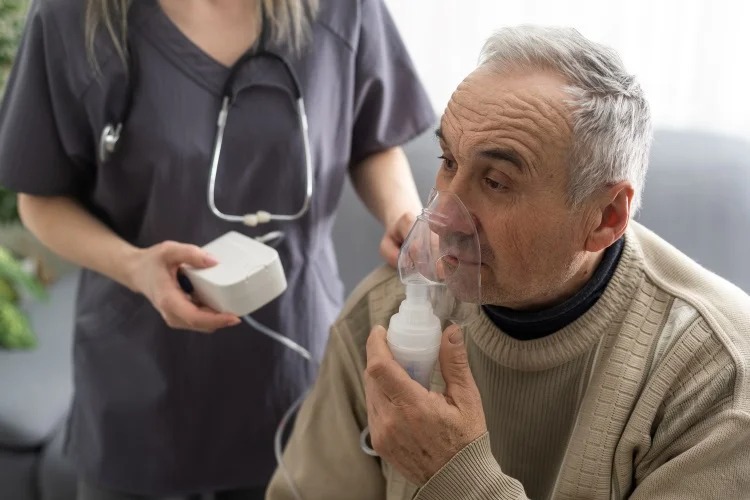
Pulmonary rehab is a structured program for people with lung disease, and it supports recovery through guided care. It combines exercise, education, and symptom management. Since respiratory conditions can affect strength and stamina, rehab addresses both breathing limits and daily function. Here is more information about the role of pulmonary rehab in recovery programs for respiratory conditions:
Improving Breathing Function
Pulmonary rehab builds breathing skills, and it also improves physical conditioning. Patients practice techniques such as pursed-lip breathing. When air trapping or weak muscles make breathing harder, these methods help control effort during movement.
Exercise training in pulmonary rehab targets the muscles used in daily tasks, and it often includes walking or cycling. Better muscle use lowers the workload on the lungs. Since inactivity leads to deconditioning, supervised activity helps many patients rebuild tolerance for movement.
Therapists may add strength work, and they may also monitor oxygen levels during sessions. This keeps activity within a safe range. Improvements in physical fitness aim to enhance the ability to perform daily activities and also boost overall energy levels, making it easier for individuals to maintain independence and quality of life.
While each program differs by diagnosis, standard training areas may include:
- Endurance
- Strength
- Breathing technique
Reducing Symptoms
Many respiratory conditions cause shortness of breath, and they also bring fatigue with simple activity. Symptom patterns vary. When rehab uses pacing and planned exercise, patients can learn ways to reduce strain during walking, dressing, or climbing stairs.
Care teams also review triggers, and they help patients respond to flare-ups early. Standard symptom concerns include:
- Breathlessness
- Chest tightness
- Energy levels
Educating Patients
Education gives patients clear facts, and it supports better day-to-day decisions. Many programs teach inhaler use. Since medicine works best when taken correctly, staff can check timing, technique, and device fit.
Patients also learn how to pace activity, and they learn when to stop and rest. These steps reduce overload during routine tasks. When people understand their limits and warning signs, they often manage daily demands with more control.
Some sessions cover nutrition, and others address sleep or stress. These topics affect breathing. As recovery involves more than exercise, practical teaching helps patients connect symptoms with habits and routines. This education can form a foundation of helpful tips and strategies.
Improving Quality of Life
Respiratory disease changes daily routines, and it may reduce participation in work, hobbies, or home tasks. This approach addresses these limits. When breathing feels less chaotic during activity, many patients move through the day with better structure.
Programs typically set realistic goals for patients, and staff track progress in small steps. This process gives patients useful feedback to improve their quality of life. Since recovery takes time, measured goals help people focus on function rather than quick results.
Schedule Pulmonary Rehab Services
Pulmonary rehab offers guided exercise, education, and symptom support, and it plays a clear role in recovery from respiratory conditions. It focuses on daily breathing function. If you or a family member lives with ongoing breathing problems, contact a pulmonary rehab provider near you to schedule an evaluation.
