


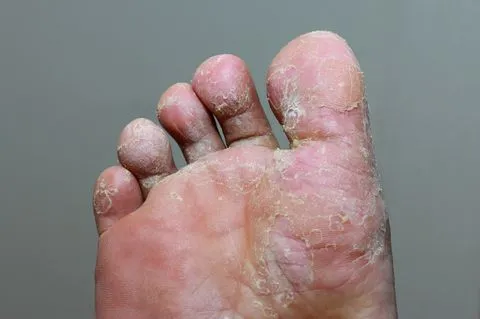
The human skin hosts a variety of microscopic organisms, including naturally occurring fungi. These organisms can multiply disproportionately on the lower extremities and lead to uncomfortable skin conditions. One very common manifestation of foot fungus is athlete’s foot. Recognizing the underlying causes and adopting specific hygiene practices may help individuals maintain optimal foot health.
What Is Foot Fungus?
Fungi exist continuously across different areas of the human body, and the feet can harbor a higher concentration of these organisms. While many types of foot fungus remain harmless, a specific group known as dermatophytes may penetrate the outer layers of the skin. This specific invasion results in the condition widely recognized as athlete’s foot.
Individuals dealing with this fungal growth can report a range of physical symptoms. These signs frequently include persistent itching, burning sensations, and stinging. The skin may appear red, purple, or gray, depending on the individual’s natural skin tone. Peeling, cracking, and scaling are also standard indicators, alongside the potential development of blisters and a noticeably unpleasant odor. Left unmanaged, the fungus can alter the appearance of toenails and make them thick and discolored.
How Do You Prevent Growth?
Specific environments and lifestyle habits increase the likelihood of developing a fungal infection on the feet. Fungi multiply rapidly in damp, warm settings, and wearing enclosed shoes traps heat and moisture. This creates an ideal breeding ground, especially when paired with the foot’s ability to sweat.
Walking barefoot through communal areas like locker rooms, public showers, and swimming pool decks exposes individuals directly to fungal spores. Wearing damp socks or shoes for extended periods also elevates the risk. Sharing personal items facilitates the transfer of these organisms from one person to another; this includes towels, bed linens, rugs, and footwear. Those with weakened immune systems, diabetes, or obesity face a higher probability of fungal overgrowth.
Preventing these infections relies heavily on consistent hygiene practices. Keep the feet clean and completely dry throughout the day. Changing socks regularly and selecting footwear that allows for proper air circulation will reduce moisture buildup. Using protective footwear, such as shower shoes, in public facilities offers a physical barrier against contaminated surfaces.
How Is It Treated?
When symptoms of athlete’s foot appear, a proper evaluation by a podiatric specialist helps confirm the diagnosis. A practitioner will typically review your medical history and examine the affected skin. In some instances, a specialist will collect a small scraping of the skin for laboratory analysis and identify the exact type of fungus present.
Standard care plans often involve prescription-strength medications. These treatments usually come in the form of topical creams applied directly to the skin or oral medications taken systemically. Alongside prescribed remedies, maintaining strict foot hygiene can accelerate the healing process. Patients are advised to keep the affected areas dry and avoid walking barefoot to prevent spreading the infection to other parts of the body or to other people. Modifying your footwear choices during the healing phase also supports recovery.
Seek Professional Foot-related Care
Routine inspection of your feet allows for early detection of any unusual changes, either in skin texture or nail appearance. Prompt intervention typically yields the best outcomes. Addressing fungal issues early minimizes discomfort and prevents the condition from worsening. Consult a foot and ankle specialist to receive an accurate diagnosis and a tailored care plan. Professional guidance offers the safest route to restoring your skin’s health.
