


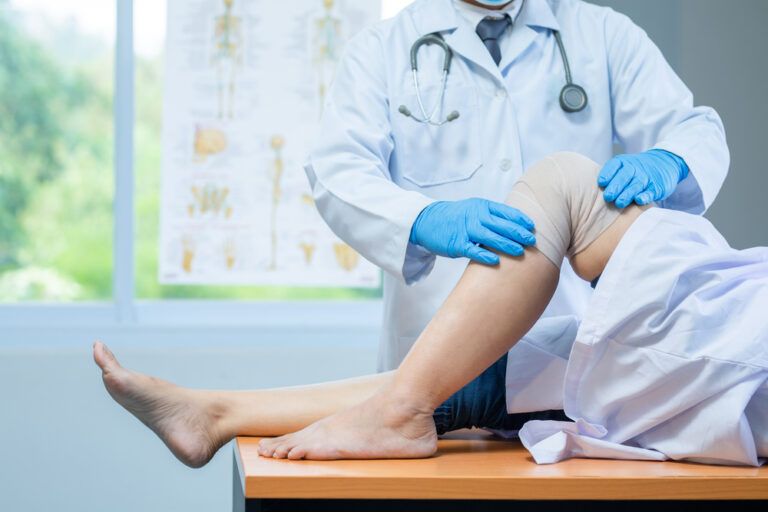
Foot surgeons treat the bones, tendons, and nerves that keep athletes moving, and they study how running, jumping, and pivoting affect the lower body. Since sports place heavy demands on the feet, these specialists adapt their tools to match each injury. Athletes rely on them, and their methods keep evolving with new technology. Here are some innovative techniques used by foot surgeons:
Plantar Fascia Release
The plantar fascia is a band of tissue along the bottom of the foot. Runners and jumpers may strain it. When conservative care fails, a foot surgeon may release part of this band to reduce tension.
Surgeons perform this procedure through small incisions. The technique is minimally invasive, and recovery involves gradual weight-bearing. Since the fascia supports the arch, the surgeon removes only a small portion.
Nerve Decompression
Nerve compression happens when surrounding tissue presses on a nerve. Athletes may feel burning, tingling, or numbness. As pressure builds over time, symptoms typically worsen during activity.
Surgeons release the tissue that traps the nerve. The incision is small, and the surgeon works with careful precision. When the nerve has room again, the irritation often eases. Signs that prompt an evaluation include:
- Sensation of tingling that spreads across the foot
- Numbness during long training sessions
- Pain near the ankle or toes
Multiwave Locked System
Multiwave locked system therapy uses layered laser wavelengths to reach deep tissue. Surgeons apply it to inflammation in tendons and joints. Since the wavelengths work together, they target both surface and deeper layers at once.
The treatment is noninvasive, and sessions usually last only a few minutes. A surgeon guides the device over the affected area. When athletes have swelling from repetitive strain, this method offers a nonsurgical option.
Foot surgeons often pair this therapy with rest plans. Clinicians track progress across several visits, and they adjust the settings as needed. As responses vary by patient, the surgeon monitors each stage closely.
Cortisone Injections
Cortisone injections deliver anti-inflammatory medication into a targeted joint or tendon. Surgeons use them for conditions that resist rest and physical therapy. Since the medication acts locally, it concentrates where the inflammation sits.
A surgeon numbs the area first and then guides the needle with imaging. The injection itself takes only moments. When inflammation drives the pain, this treatment addresses that source directly.
Surgeons weigh several factors before injecting, such as:
- Where the location of the inflammation is
- How often prior injections were given
- How often the athlete trains
They limit the number of injections per year, and they space them out carefully. Since repeated doses affect nearby tissue, the surgeon tracks each treatment. This measured approach shapes the overall plan. A surgeon examines your symptoms, and they explain the options available to you.
Visit a Foot Surgeon
Foot surgeons match each technique to the specific injury they find, and since sports injuries differ widely, the right method depends on a full evaluation. Schedule an appointment if foot pain interrupts your training. When you understand each technique, you make choices with clearer information. Take the next step and book a consultation with a foot surgeon today.
