


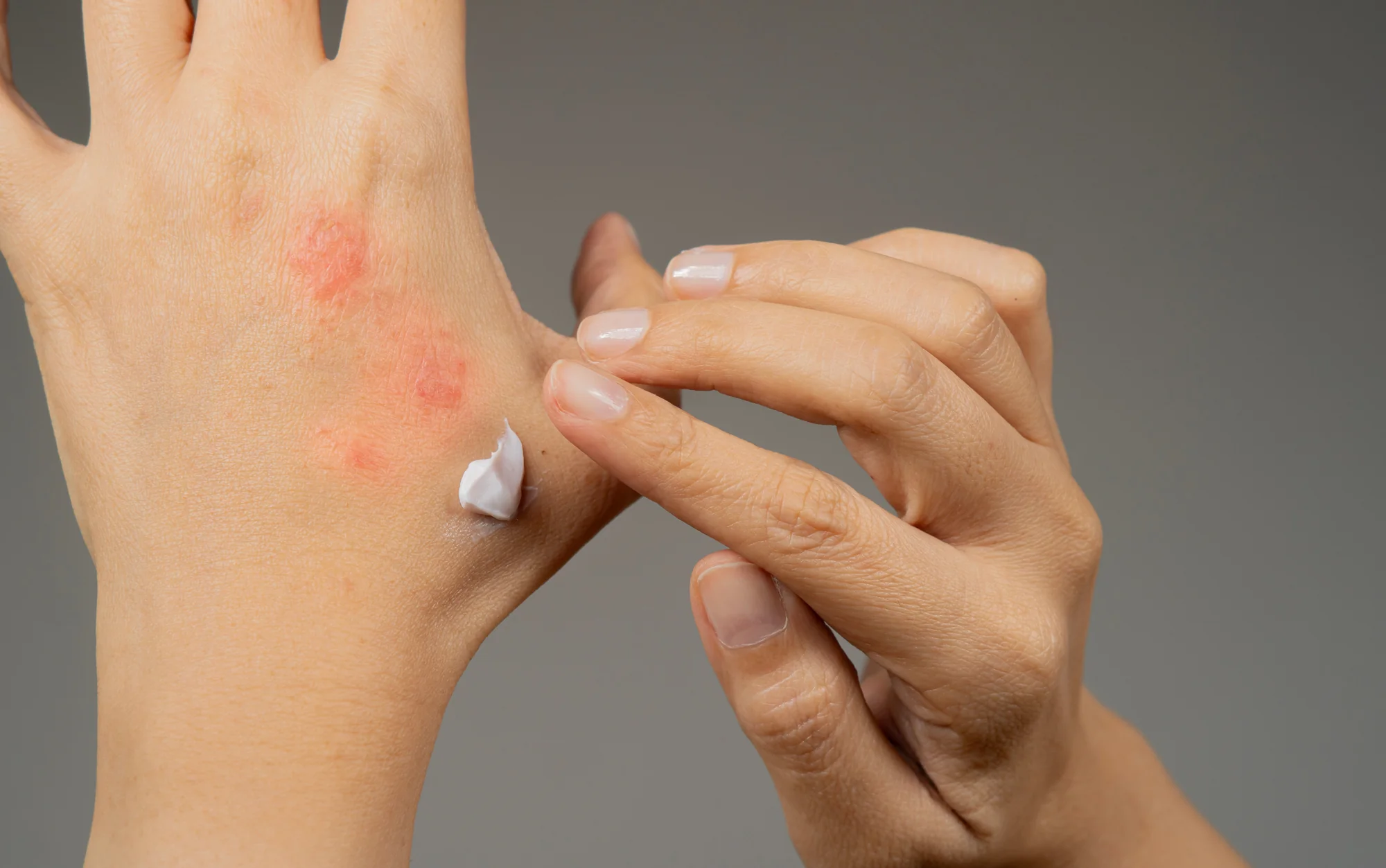
Eczema is a chronic inflammatory skin condition, and as the barrier is weakened, moisture escapes and irritants enter more easily. People with eczema have dry, itchy patches that may flare up and recede over time. A consistent skincare routine helps manage these symptoms day to day. Here is more information on how to build a suitable skincare routine for skin that is prone to this condition:
Cleanse Gently
Harsh soaps may strip the skin of natural oils. Choose a fragrance-free cleanser, and apply it with your fingertips rather than a washcloth. While you wash, use lukewarm water, since hot water dries out the skin. Pat your face dry instead of rubbing it.
Limit your cleansing to twice daily when you have eczema. Over-washing irritates the barrier, and it removes lipids your skin needs. When you finish, apply moisturizer within three minutes to lock in hydration.
Keep Skin Moisturized
Moisturizer forms the foundation of an eczema routine. Apply it generously after bathing, and reapply throughout the day when skin feels tight. Since thicker formulas typically seal moisture better, ointments and creams work well for very dry areas. Read labels carefully before you buy.
Look for ingredients that support the skin barrier. The following ingredients suit eczema-prone skin:
- Ceramides
- Glycerin
- Hyaluronic acid
- Colloidal oatmeal
- Petrolatum
Test new products on a small patch first. Some formulas contain additives that trigger flares, and reactions vary from person to person. If irritation appears after applying a topical, stop using that product.
Use Medicated Topicals
Medicated treatments target inflammation during flares. A dermatologist may prescribe topical corticosteroids, which are used to reduce redness and itching. Apply these only as directed, since overuse thins the skin. Follow the schedule your provider sets.
Non-steroidal options exist for sensitive areas like the face. Some medications are used to calm the immune response, and they are suitable for long-term use. When you apply any medicated topical, wait a few minutes before adding moisturizer on top.
Light therapy is another option for managing chronic symptoms and involves exposing the affected areas to controlled ultraviolet light. This treatment is used when topical medications fail to provide sufficient relief. While effective, it requires careful monitoring by a healthcare professional to minimize potential side effects.
Protect Skin With Sunscreen
Sun exposure aggravates inflamed skin. Choose a mineral sunscreen with zinc oxide or titanium dioxide, and apply it as the final step each morning. Since chemical filters sometimes sting compromised skin, mineral formulas tend to feel gentler. Reapply every two hours outdoors.
Pair sunscreen with physical protection. Wide-brimmed hats and long sleeves reduce direct exposure, and they ease the burden on your skin. Keep these simple defenses in mind:
- Seek shade during peak hours
- Wear UPF-rated clothing
- Reapply sunscreen after sweating
Get Treated for Eczema
A dermatologist evaluates your triggers and tailors a treatment plan to your skin. When flares persist despite consistent care, a specialist may adjust your regimen. Track your symptoms so you arrive with useful details. Book an appointment with a board-certified dermatologist today, and bring a list of your current products and any patterns you have noticed. Early, targeted treatment gives you a clearer path toward steady, manageable skin.
