


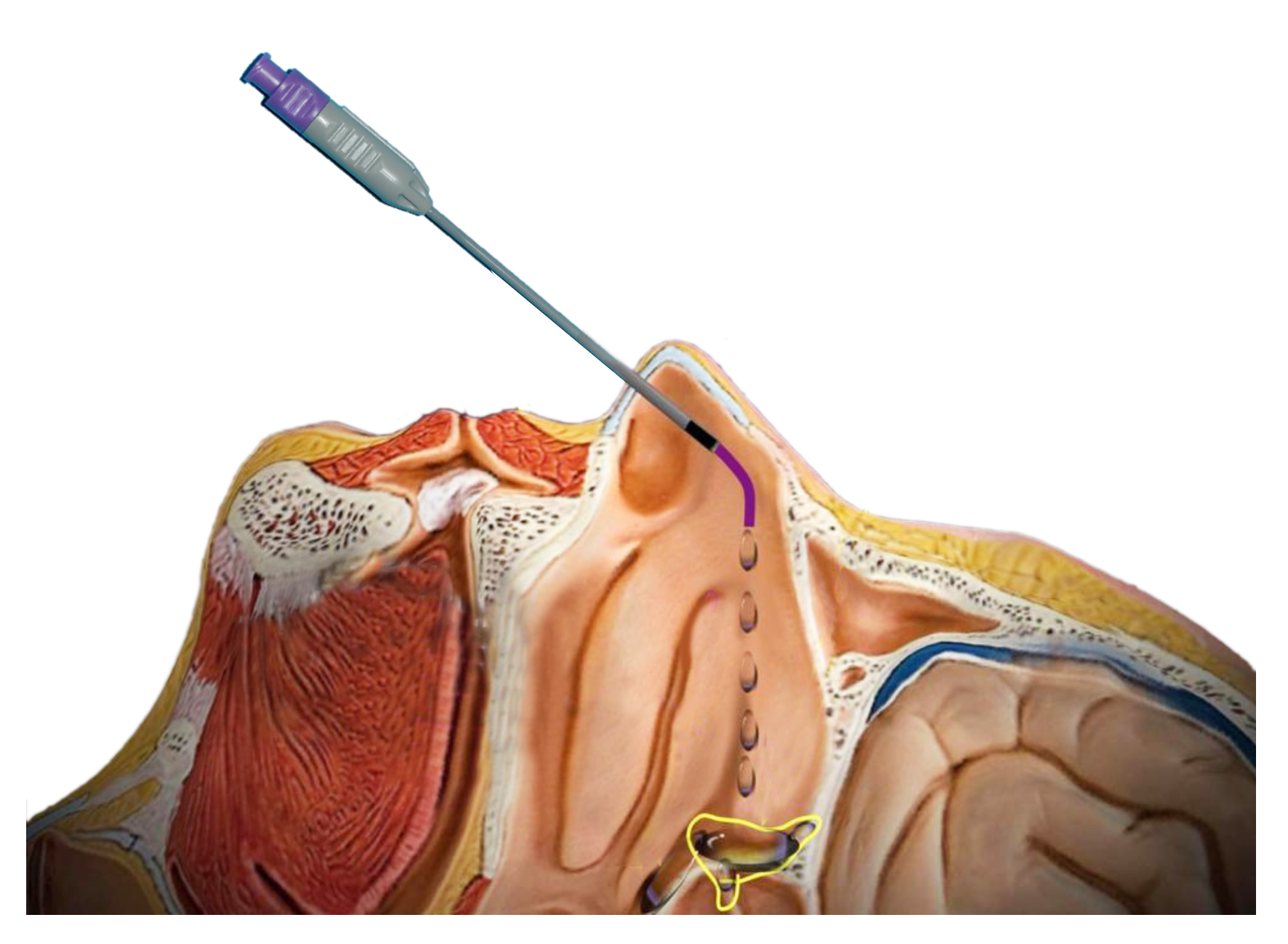
Sphenopalatine ganglion (SPG) blocks are a clinical procedure used to place numbing medicine near a nerve bundle linked to head and facial pain. The SPG sits behind the nose, and clinicians can often reach this area through the nasal passages. They aim to directly target a pain-related pathway, offering people with certain pain conditions another non-surgical option to discuss with a qualified clinician. Here’s information on SPG blocks and how they are used for some migraines:
How Do Specialists Treat Migraines?
Migraine management often starts with conservative care efforts; this may include hydration, rest in a dark and quiet room, trigger management, and medication. Many individuals track their triggers by noting environmental factors that affect their condition. Some common migraine triggers include poor sleep, stress, missed meals, and certain foods or drinks. Careful tracking may help identify patterns over time.
When conservative steps do not provide adequate relief, a clinician may review other options. These may include preventive medicines, Botox, or SPG blocks, and the right choice depends on a patient’s symptoms and history. Botox is typically discussed for people with frequent migraine episodes under a structured treatment plan. SPG blocks may also be recommended when a clinician wants to target a specific nerve area associated with chronic head pain.
How Do SPG Blocks Work?
The sphenopalatine ganglion is a group of nerve cells located deep behind the nose. It is connected to pathways involved in head pain, facial pain, and certain autonomic symptoms. Because of that location, clinicians may use an intranasal approach to deliver an anesthetic near the SPG. During the procedure, a clinician places a small amount of anesthetic inside the nose to reach the tissue near the ganglion. This can be done with a thin applicator or a specialized device designed for nasal placement; neither of these methods requires incisions.
SPG blocks are used in some cases for migraines and for other pain conditions, such as atypical facial pain, taking around one minute to complete. A SPG block is generally painless, and pain relief may begin within minutes. Depending on the situation, the procedure can be repeated. A clinician decides whether this approach fits the patient’s:
- Diagnosis
- Symptoms
- Health History
- Care Plan
How Long Do Treatments Last?
An SPG block typically lasts about a minute, so it can usually be done without a lengthy procedure. Treatment response varies by patient, and the timing of pain reduction can differ depending on the condition being treated. For some people, a clinician may recommend repeating the procedure after several days or after a few weeks. That decision depends on the clinical situation, the patient’s response, and the larger treatment plan.
Try SPG Blocks for Migraines
SPG blocks are one option for migraine symptoms that are not adequately reduced by conservative care. They use an intranasal method to place an anesthetic near a nerve bundle involved in head and facial pain. The procedure is brief, generally well tolerated, and repeated as needed. To learn more about your pain management options, contact a headache center today. They can assess your condition during a consultation and help determine appropriate treatment options.
