


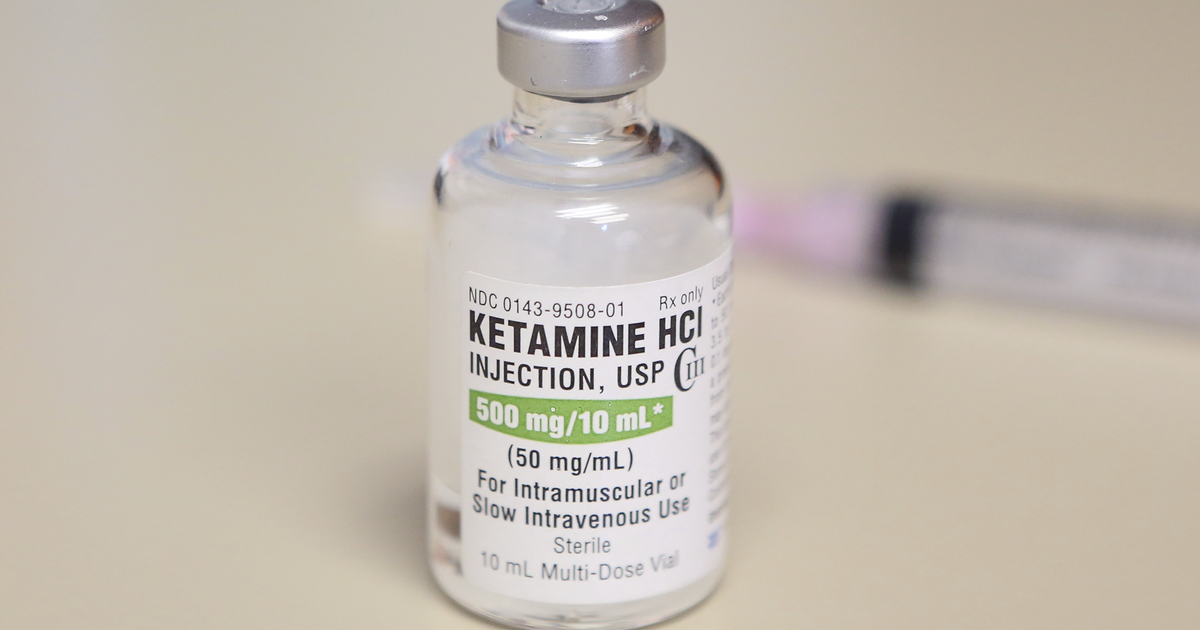
Ketamine has been part of medical practice for decades. It first gained recognition as an anesthetic, and it was used in hospitals and clinics to help patients during surgery and other procedures. It is used for other purposes in modern medicine, helping those exploring different options for managing certain health conditions.
What Is Ketamine?
Ketamine is a medication that has been used in medical settings since the 1960s. It belongs to a group of drugs known as dissociative agents. This means it can change how a person senses their surroundings, such as sights and sounds, during treatment. Doctors have relied on ketamine as an anesthetic; this is a medicine that helps block pain and keeps patients comfortable during surgery or other medical procedures.
In more recent years, ketamine has drawn attention for uses beyond anesthesia. Medical professionals administer it in controlled settings, and it can be delivered through a nasal spray or directly into the bloodstream. The amount given and the way it is delivered depend on the reason for treatment and the guidance of a trained provider.
What Is It Used For?
Ketamine is regularly studied, and it is medically used for several different purposes. Beyond its role in anesthesia, medical providers can explore its use in certain situations related to pain management and mood-related concerns. The people who may look into ketamine often share a common trait: they have a health concern that has not responded well to other approaches. Treatment usually follows a conversation with a doctor who reviews a person’s medical history and current health. Ketamine is not suitable for everyone. Certain health conditions, medications, and personal factors can affect whether it is an appropriate option. A medical professional reviews these details before deciding if treatment makes sense for a given individual.
What Should You Expect?
The treatment process generally begins with an evaluation. This assessment helps the provider decide whether ketamine is a reasonable option, and it allows them to plan the next steps. If treatment moves forward, it usually takes place in a clinical setting where staff may monitor you. Sessions can last anywhere from a short period to a few hours, depending on the plan.
During a session, some people may notice changes in how they feel or perceive their surroundings. Staff typically observe patients closely throughout the appointment. After the session, there is often a short recovery period before a person may leave. The medicine can affect alertness, so patients are usually advised to arrange a ride home rather than drive themselves.
The number of sessions and the spacing between them vary from person to person. A provider sets a schedule based on individual needs, as well as their ongoing observations. Follow-up visits give the medical team a chance to review progress, and this lets them make adjustments when needed.
Consult a Medical Professional
Learning about ketamine may provide clarity, but decisions about treatment belong in the hands of medical providers. A doctor can explain how the medicine works, review possible risks and side effects, and answer questions specific to your situation. If you have a health concern and want to know whether ketamine might play a role in your care, schedule a visit with a medical professional.
