


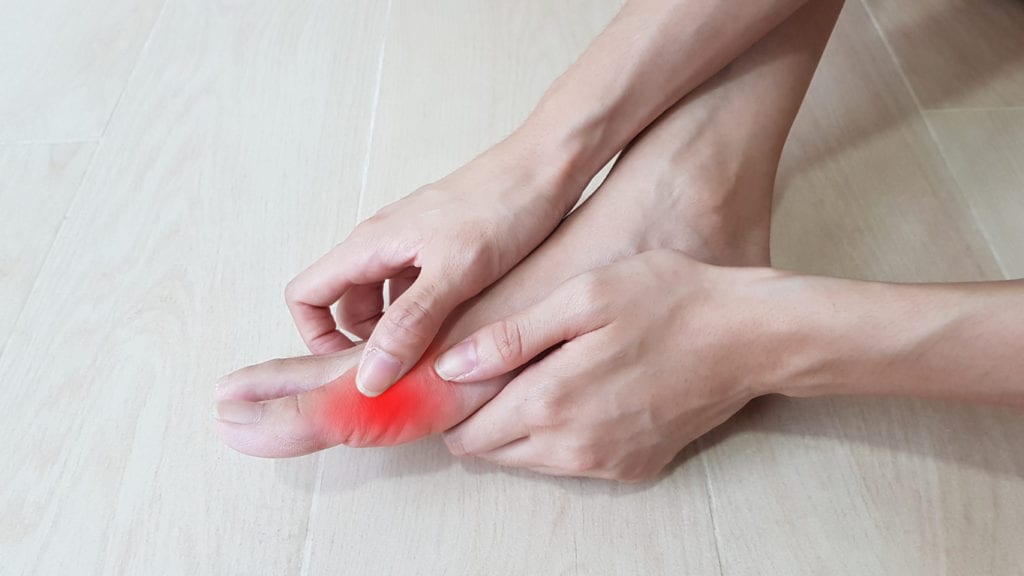
A bunion is a bony bump that forms on the joint at the base of your big toe, developing when the bones in the front of the foot shift. The tip of the big toe leans toward the smaller toes, which pushes the joint outward over time. Bunions can grow slowly, and they often cause swelling, redness, or soreness. Here are some lifestyle changes and medical treatments for managing bunions:
How To Manage Bunion Discomfort
You can often ease bunion discomfort at home, so start with your shoes. Choose footwear with a wide toe box and low heels so your toes have room to spread. Avoid narrow or pointed shoes that press on the joint bump, as ill-fitting shoes may worsen bunion symptoms. Bunion pads and cushioning add another layer of support; these soft pads sit between your foot and your shoe to reduce rubbing. Bunion pads are available at most pharmacies.
Gel cushions and toe spacers may also lower pressure during the day. Simple steps matter, and small daily habits may improve your comfort over time. Try resting your feet, applying ice to swollen areas, and giving your feet a break from standing to manage bunions at home.
Home care helps many people, but some signs call for a professional. See a podiatrist if your pain gets worse, your toe feels stiff, or walking becomes difficult. A podiatrist can examine your foot and suggest an effective care plan. Your provider may recommend over-the-counter pain relievers to manage soreness, but some individuals need a steroid injection to reduce swelling around the joint.
How To Support Foot Joints
Supporting your foot joints can take pressure off the bunion area, which is why many people try shoe inserts. Shoe inserts are helpful for foot alignment and support needs. Custom orthotics are shoe inserts made to fit your specific feet. A podiatrist creates them based on the shape of your foot, and they help distribute weight more evenly as you walk.
Taping is another supportive management option, and a trained provider can tape your foot to hold the toe in a better position. This may bring short-term relief during your daily activities. Physical therapy focuses on movement and strength. They use gentle exercises and stretches for your toes and feet, helping to reduce pain and encourage support. Regular practice may help keep the joint flexible and support the muscles around it.
How To Find a Podiatrist
Finding the right foot doctor is easier when you know where to look, so start by asking your primary care doctor for a referral. They often know trusted specialists in your area. You can also search online directories or check with your health insurance plan. Many insurers list in-network podiatrists, which can be convenient. When you call a podiatry office, ask about appointment availability and whether the provider treats bunions. Bring a list of your symptoms, medical history, and questions so you make the most of your time.
Manage Your Bunions
Bunions affect how you walk and how your feet feel each day, but you have ways to manage them. Small changes at home, like better-fitting shoes and cushioning, may ease daily pressure. When you need more help, a podiatrist can guide you toward options such as orthotics, physical therapy, or other treatments. Pay attention to changes in your feet and reach out to a professional when discomfort increases. With the right support and a clear plan, you can take steps to care for your feet and preserve your mobility.
