


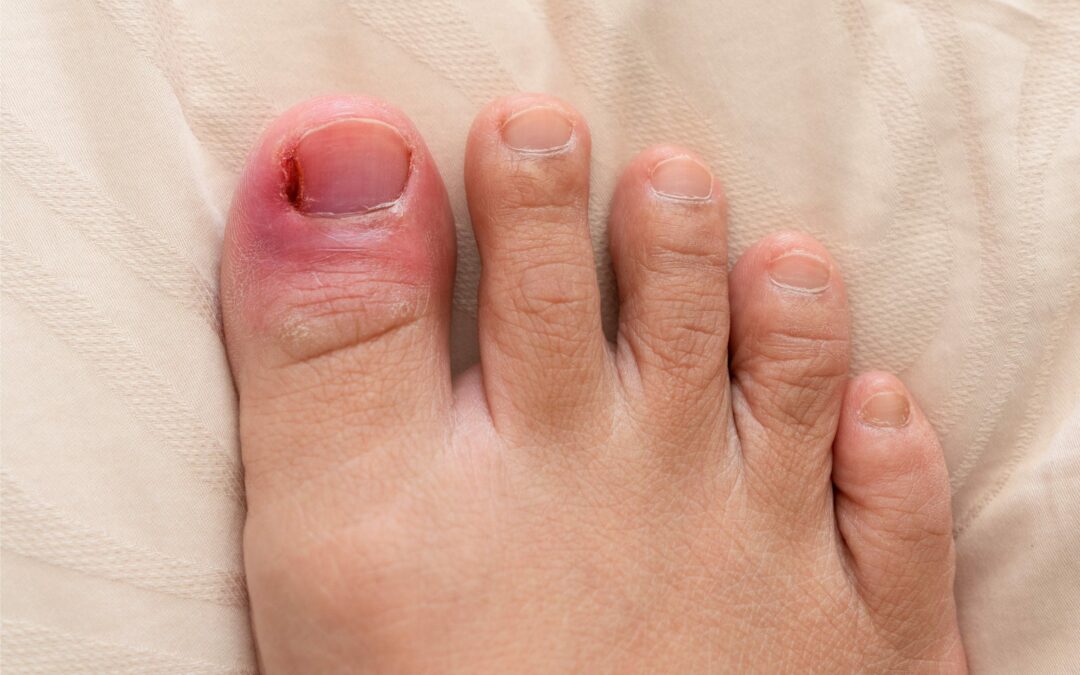
Ingrown toenails develop when the edge of a toenail grows into the surrounding skin. This issue often affects the big toe, but it may appear on other toes as well. Nail shape, trimming habits, footwear, and repeated pressure all play a role in this condition. Here’s information about the different causes and treatments for ingrown toenails:
Understanding How Ingrown Toenails Start
An ingrown toenail begins when the side or corner of the nail presses into nearby skin instead of growing straight outward. This pressure irritates the skin and changes the way the nail edge sits as it grows. The area may start to appear swollen, red, or tender to the touch. This problem usually develops from a mix of factors that affect the nail and toe over time. The shape of the nail, the fit of your shoes, and the way you trim your nails all influence how the nail grows.
Identifying Common Causes
Daily habits and foot structure both affect the risk of ingrown toenails. Some causes are easy to spot; others become clear only after the problem returns more than once. Possible causes include:
- Cutting toenails too short
- Rounding the corners of the nails
- Wearing tight shoes or socks
- Repeated pressure from sports or walking
- Toe injuries that affect nail growth
- Naturally curved or thick nails
- Poorly fitting footwear with a narrow toe box
These factors can place extra pressure on the nail edge or change the direction of nail growth. In some cases, more than one factor is present at the same time. A person with curved nails may notice more trouble when wearing narrow shoes that add steady pressure throughout the day.
Noticing Early Signs
Early signs usually appear around one side of the toenail. The skin may look slightly raised, and the area sometimes becomes more sensitive during walking or while wearing closed shoes. As the nail continues to grow into the skin, the edge of the toe often becomes more irritated. You may also notice swelling, warmth, or drainage near the nail border. Watching for these early signs enables you to seek timely care and limit added irritation.
Managing Mild Cases
Mild cases sometimes improve with basic foot care and changes in daily habits. Soaking the foot in warm water helps soften the skin and keep the area clean. After soaking, dry the foot fully and avoid added pressure on the toe to reduce friction.
Footwear also matters; shoes with a wider toe box give the toes more room and reduce contact along the nail edge. Straight nail trimming is another key step. Trimming across rather than curving the corners may support a more even pattern of nail growth over time.
Reviewing Professional Treatments
When home care does not help, or the problem returns, a healthcare provider offers professional treatment options. The approach depends on the shape of the nail, the condition of the skin, and the extent of the ingrown section. Professional treatment includes lifting the nail edge, removing part of the nail, or addressing the section that continues to grow inward. A provider may also review footwear and nail trimming habits; these are factors that contribute to repeat problems.
Treat and Prevent Ingrown Toenails
To prevent ingrown toenails, trim the nails straight across, avoid cutting them too short, and choose shoes that leave enough room around the toes. If you notice repeated pressure from work or exercise, contemplate making small changes before the problem becomes more severe. Treatment for this condition ranges from home care for mild cases to professional care for ongoing problems. If you notice persistent changes around a toenail, schedule an appointment with a qualified provider for an evaluation.
