


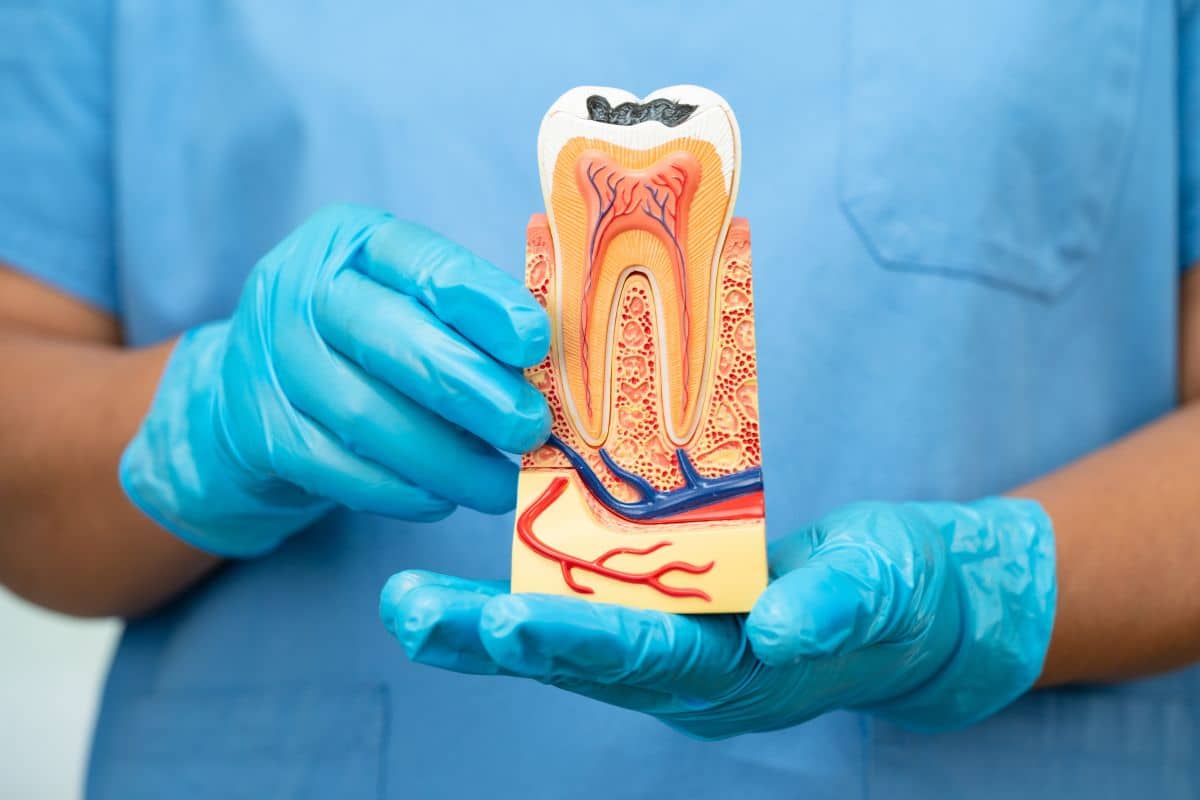
Root canal therapy treats infected or inflamed dental pulp inside a tooth. Recovery focuses on protecting the treated area, minimizing unnecessary pressure, and maintaining oral hygiene while follow-up care is scheduled. Your dental team may provide specific instructions based on your procedure and temporary filling; follow those directions as your primary guide. Here are several aftercare tips for successful root canal recovery:
Choose Recovery-Friendly Foods
Chewing can place pressure on the treated tooth, so food choices are key during the initial stage after a root canal. Wait until the numbness wears off before eating to avoid accidentally biting your cheek, lip, or tongue. Start with soft foods that require minimal chewing. Scrambled eggs, yogurt, smoothies, and mashed vegetables may be appropriate for the first few meals. Chew on the opposite side of your mouth when possible, especially if your dentist placed a temporary filling or crown.
Hard, sticky, or crunchy foods place additional stress on the treated area. This includes foods like popcorn kernels and chewing gum; these may disrupt temporary dental materials. If a food requires strong biting pressure, postpone it until your dentist confirms the tooth is ready for normal use. Drinking water with meals may also help rinse away loose food particles.
Practice Gentle Oral Hygiene
Clean oral habits are a fundamental part of aftercare. Continue brushing your teeth, but use a gentle approach around the treated tooth. A soft-bristled toothbrush and slow strokes can help you clean the area without pulling at temporary materials. Floss with care near the treated tooth. An antibacterial mouthwash is also beneficial; it helps reduce harmful germs.
Limit Daily Activities
Activity choices shape aftercare, so plan for a lighter schedule during the first day, especially while numbness remains. Avoid heavy lifting and strenuous workouts unless your dentist says otherwise. Do not chew on pens, fingernails, ice, or other hard objects. These habits place direct pressure on the treated tooth, and they may affect temporary dental work.
Avoid smoking, as it has the potential to slow mouth healing after the procedure. If you grind or clench your teeth, mention it at your follow-up visit. Your dentist may discuss a night guard or other practical options.
Follow Medication Directions
Your dentist may recommend over-the-counter medication or prescribe a specific product after the procedure. Follow the label and the instructions from your dental office. If you have questions about timing, missed doses, or side effects listed on the package, contact the dental office or pharmacy for guidance. Avoid changing the amount or timing without asking a qualified professional. If you already take daily medication, tell your dental team before adding anything new. This gives them a clearer view of your routine, and it helps them provide practical instructions.
Plan Follow-Up Care
A root canal may require a final restoration, such as a permanent filling or crown. The temporary material protects the tooth for a limited time, so schedule the next visit as directed. Delaying follow-up care can leave the tooth exposed to extra biting force or damage. Ask your dentist what signs should prompt a call. Clear instructions help you respond appropriately if the temporary filling loosens, your bite feels uneven, or you notice changes around the treated area.
Learn More About Root Canals
If you’re experiencing severe tooth pain or sensitivity, ask a specialist about root canal therapy; this procedure helps treat significantly damaged or infected teeth. Aftercare includes careful eating, gentle cleaning, proper medication use, and timely follow-up care. These steps give the treated tooth practical support while your dental team completes the restoration plan. For guidance based on your procedure, contact your dentist today and schedule your follow-up appointment.
