


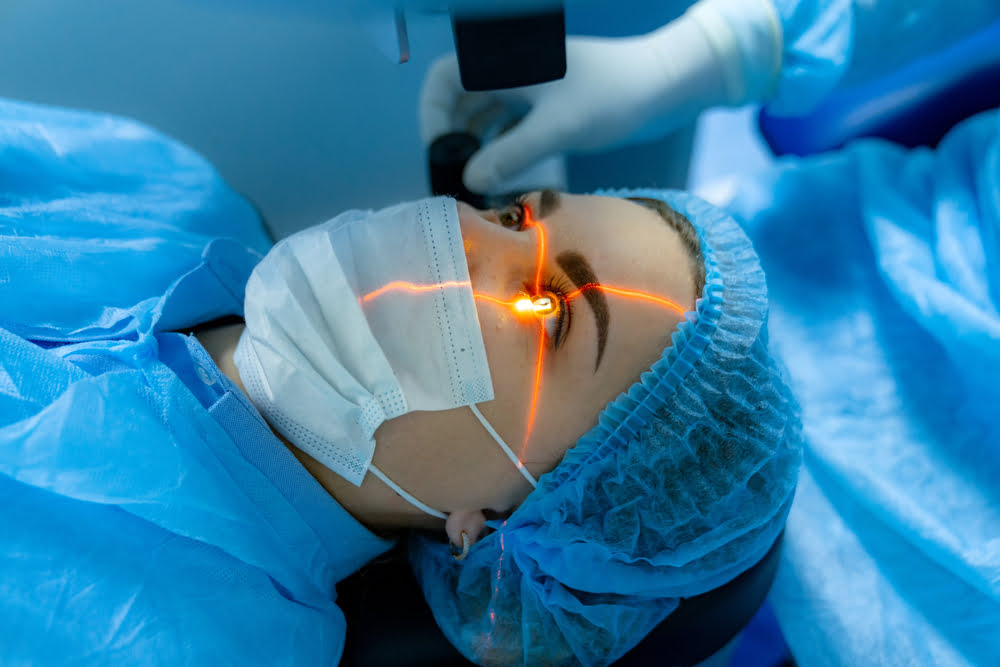
Cataracts forms when the lens of the eye becomes cloudy. This clouding interferes with clear vision, and a cataracts specialist evaluates the condition, identifies its stage, and outlines treatment paths. Cataracts progress at different rates, so patients benefit from focused conversations during each appointment. Learning what to discuss with a cataracts specialist during an evaluation may be helpful before an appointment. Clear communication helps the specialist understand how vision changes affect daily activities. Thorough discussions also support informed decisions about testing, treatment, and follow-up care.
Symptoms and Vision Changes
Cataracts produce several recognizable signs and show when a catarcts specialist should be seen. Vision grows cloudy or blurred, and colors appear faded as the lens thickens. Some patients report increased sensitivity to light and glare, while others notice halos around lights, and these changes affect both daytime and nighttime activities.
Frequent updates to eyeglass prescriptions often indicate progression. Double vision in one eye occurs in some cases, and difficulty seeing at night is another common symptom. When patients describe specific tasks affected by vision changes, such as reading or driving, the specialist gains details that help guide the next steps.
Cataracts Specialists and Eye Exams
Specialists confirms cataracts through a structured eye examination. Visual acuity tests measure how well each eye reads a chart, and this test establishes a baseline for future comparison. A slit-lamp exam uses bright light and magnification to inspect the cornea, iris, and lens, while a retinal exam requires dilating drops to widen the pupil, and both procedures reveal the extent of clouding.
Applanation tonometry measures pressure inside the eye during the same visit. The examination follows a logical sequence, and the specialist evaluates both the lens and the retina after dilation. Ask which tests apply to your situation, because the results help determine whether surgery becomes an appropriate option.
Treatment and Surgical Options
Treatment depends on how much cataracts affect daily function. Stronger lighting and new glasses address early symptoms, and these measures often delay surgery. Surgery becomes the recommended option when clouding disrupts routine activities, and the procedure replaces the clouded lens with a permanent artificial lens called an intraocular lens.
Several lens types are available for replacement. Some lenses correct distance vision, and others address both near and distance focus. Ask the specialist which intraocular lens best matches your vision needs and lifestyle, because the choice influences the surgical plan and the expected visual outcome.
Recovery and Follow-Up Care
Cataract surgery is an outpatient procedure. Most patients return home the same day, and healing progresses over several weeks. Mild discomfort and itching may occur during the first few days after surgery.
Protective shields guard the eye during sleep, and follow-up visits allow the specialist to monitor healing. Eye drops reduce inflammation and help prevent infection, while scheduled appointments confirm that recovery is progressing as expected.
Ask about activity limits and eye drop schedules before leaving the office. These instructions shape the recovery process, and following them supports a stable outcome. Clear guidance also helps reduce the risk of complications during healing.
Schedule Your Consultation Today
Cataracts progress over time, and a specialist provides the evaluation that clarifies available options. Prepare questions about symptoms, testing, surgery, and recovery before your appointment. Schedule a consultation with a cataracts specialist to discuss your symptoms, complete a comprehensive eye exam, and learn about available treatment options.
