


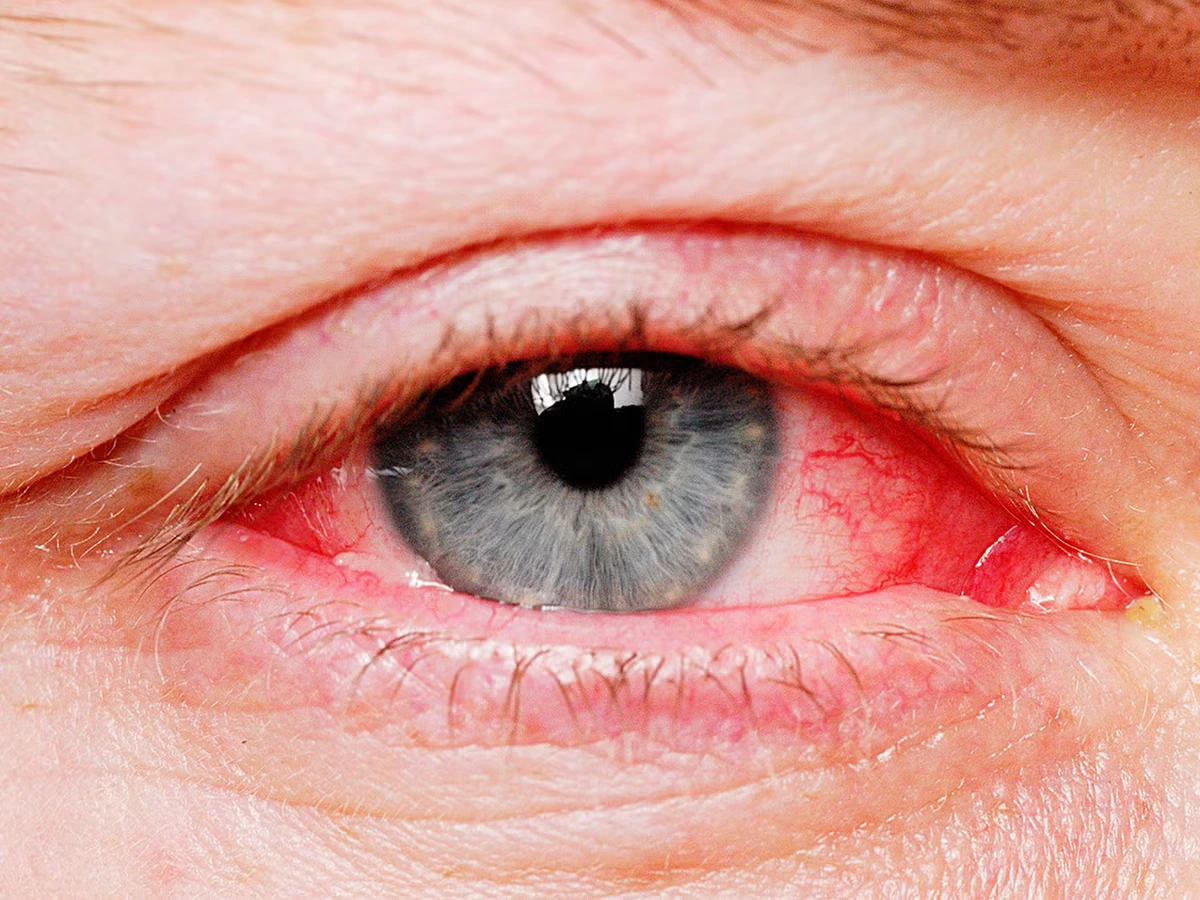
Red eyes happen when the small blood vessels on the surface of your eye swell or become irritated. You might notice a pink or bloodshot appearance in one or both eyes, sometimes with itching, watering, or a gritty feeling. Knowing what’s causing the redness helps guide treatment, and proper management can reduce recurring discomfort. Here are some things to know about red eyes:
Understanding Common Causes
Identifying the causes of red eyes is key to proper care and relief. Some common triggers include:
- Allergies: Pollen, dust, pet dander, and mold can trigger an immune response that inflames the surface of your eye, causing redness and itching.
- Dry Eye: This happens when your eyes don’t produce enough tears. It can be caused by too much screen time, aging, or certain medications.
- Conjunctivitis: Pink eye is caused by viruses, bacteria, or allergens. Viral and bacterial pink eye are contagious, but the allergic type is not.
- Eye Strain: Spending long hours on a computer can leave your eyes tired and red by the end of the day.
- Contact Lens Overuse: Wearing your lenses for too long, sleeping in them, or not cleaning them properly often irritates your cornea and leads to infection.
- Environmental Irritants: Smoke, chlorine, and dry air also cause redness.
Using OTC Treatments
Over-the-counter (OTC) options usually provide effective relief for common eye irritations and redness. Over-the-counter eye drops are available in various types, and each targets a different problem. Artificial tears add moisture and ease the discomfort of dry eye. Antihistamine drops reduce itching and redness associated with allergies. Decongestant or “redness relief” drops shrink the blood vessels and reduce the bloodshot look.
OTC eye drops typically work for short-term use, but relying on them daily may lead to rebound redness. This causes the eyes to become more irritated once the drops wear off. Read the label and follow the recommended dosage. If symptoms persist after a few days of treatment, that signals a need to look more deeply.
Knowing When to Seek Medical Attention
Many cases of red eye improve with time and care, but some changes require a professional evaluation. Seek help when redness is accompanied by pain, vision changes, or symptoms that do not improve or keep returning. These signs may indicate a condition that needs more than routine at-home management. You should also contact an eye doctor after an eye injury or if you notice unusual discharge or pressure. Contact lens wearers should monitor for new pain or blurred vision, as these symptoms can signal a problem that requires prompt attention. When your symptoms do not match a typical case of irritation, it is best to have them checked.
Manage Chronic Red Eyes
Red eyes that return may stem from an underlying issue that home remedies do not address. Tracking your symptoms, triggers, and how long the redness lasts gives your eye doctor useful information. An exam helps pinpoint whether allergies or another condition is at the root. Daily habits, such as taking screen breaks and replacing contact lenses on schedule, support eye comfort over time. If your red eyes persist or interfere with daily life, schedule an appointment with an eye doctor today.
