


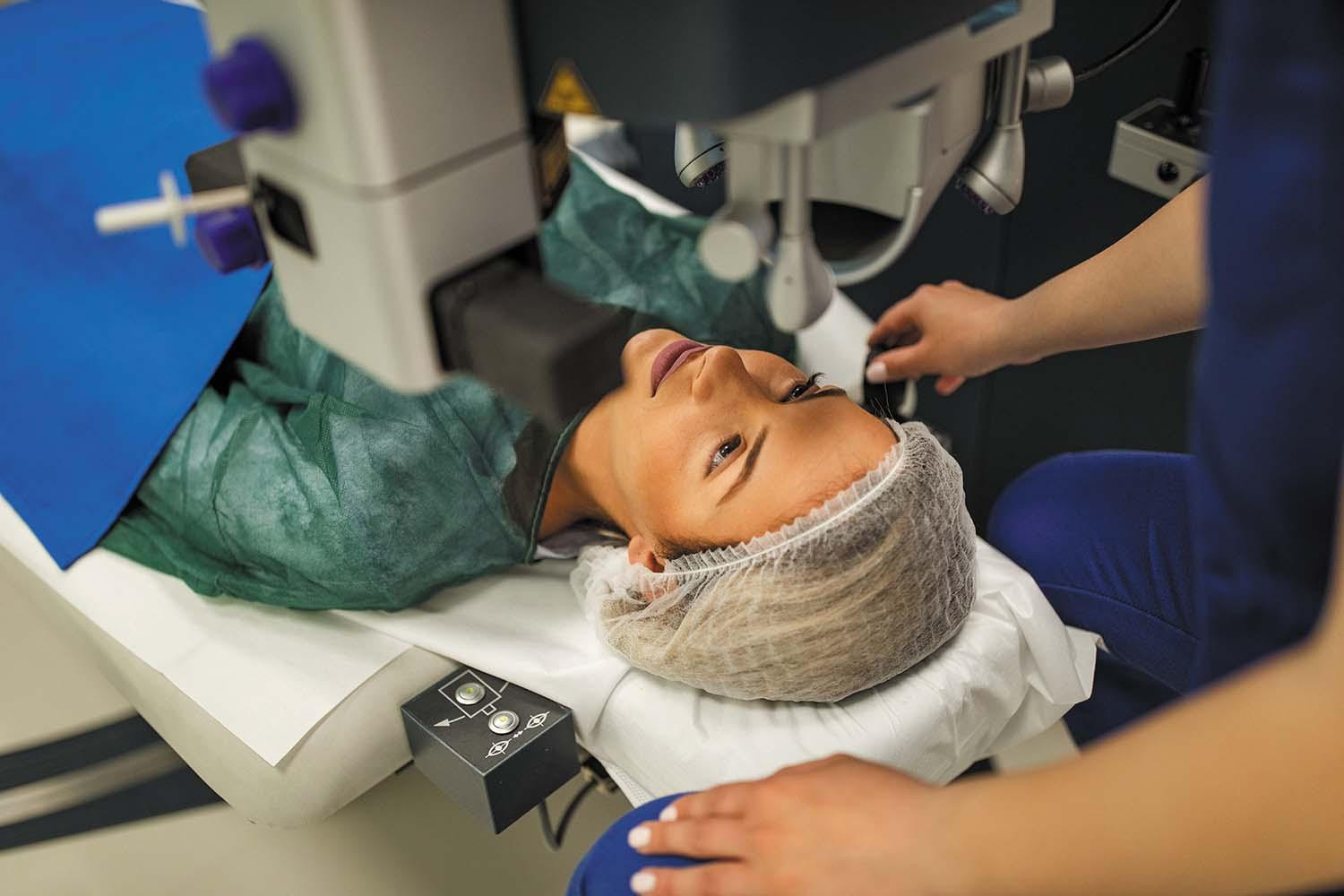
Eye surgery treats problems that glasses, drops, or medication cannot fix, and doctors recommend it when a condition threatens your vision or damages the eye’s structure. Some procedures repair injuries, while others correct issues you were born with. Here is more information on the conditions that can lead to surgery:
Detached Retina
A detached retina pulls away from the tissue that supports it. This condition is an emergency. Since the retina relies on that tissue for oxygen, delays lead to permanent vision loss.
Surgeons aim to reattach the retina, and they typically use lasers or tiny gas bubbles. Symptoms generally show up fast. When you notice sudden flashes or floating spots, call an eye doctor right away for eye surgery.
Severe Cataracts
Cataracts cloud the lens inside your eye. Mild cases respond to stronger glasses, but advanced cases block too much light. When daily tasks like reading or driving become hard, surgery becomes an option.
The procedure removes the cloudy lens and replaces it with a clear artificial one. It is typically a quick procedure. Since the new lens stays in place for life, most people never need a repeat surgery.
Blurred or dimmed vision caused by cataracts can make even familiar activities feel frustrating. Some people find that using brighter lighting or magnifying tools helps in the early stages. If left untreated, cataracts may continue to worsen, significantly impacting quality of life and requiring professional intervention.
Certain Glaucoma Forms
Glaucoma raises pressure inside your eye and harms the optic nerve. Prescription drops control many cases, yet some forms resist medication. When pressure stays high, surgery helps drain the extra fluid.
Doctors choose from several approaches based on your needs. Standard surgical options include:
- Laser treatments that open drainage channels
- Implants that are small and redirect fluid
- Procedures that create a new drainage path
Each method lowers pressure differently. Your doctor picks one after testing your eye, and the choice depends on how far the disease has progressed.
Crossed Eyes
Crossed eyes, or strabismus, happens when the eyes point in different directions. The muscles around each eye pull unevenly, but surgery adjusts those muscles to align the eyes. Since untreated strabismus affects depth perception, early care matters for young patients. Doctors sometimes pair surgery with vision therapy for better results.
Cone-shaped Corneas
Keratoconus thins the cornea until it bulges into a cone shape. This distorts your vision. Glasses may help at first, but the shape keeps changing over time.
Doctors track the condition with regular scans. When it worsens, they suggest one of these treatments:
- Corneal cross-linking to strengthen the tissue
- Implanted rings to reshape the surface
- Corneal transplants in advanced cases
Cross-linking works best in the early stages. Since it slows progression, doctors often start there. A transplant becomes the choice only when other methods fail.
Schedule an Eye Surgery Consultation
Vision changes require prompt attention; many conditions stay manageable when doctors catch them early, and surgery becomes simpler at that point. An eye specialist examines your eyes and explains your options clearly. Book a consultation today to learn which path fits your condition. A short appointment now gives you answers and a plan you understand.
