


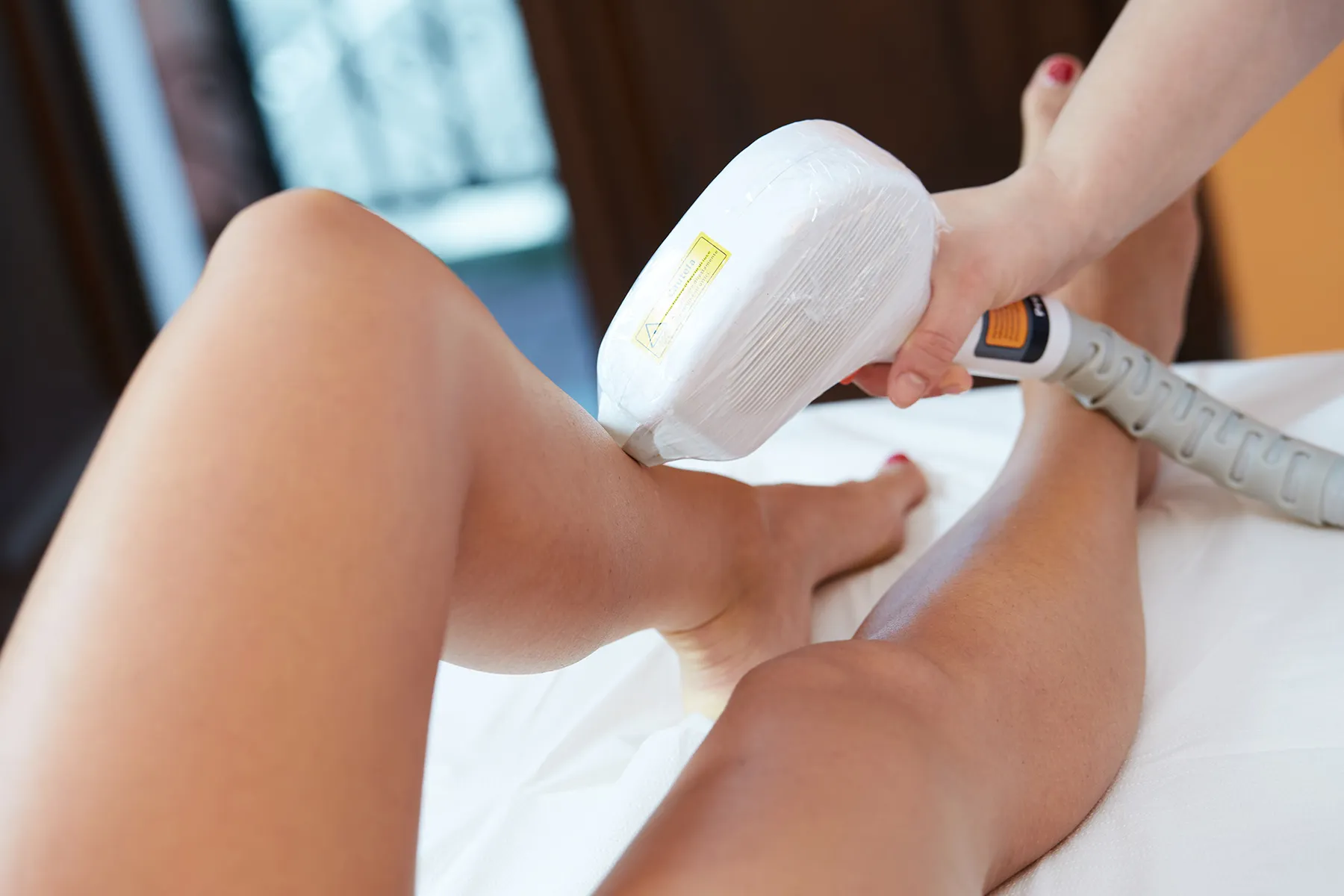
Unwanted hair can be a persistent concern for some adults. Traditional methods, such as shaving, waxing, and plucking, offer temporary results and often require frequent upkeep. Laser hair removal presents an alternative approach that targets hair at the follicle, and this reduces the need for routine maintenance.
What Is Laser Hair Removal?
Laser hair removal is a cosmetic procedure that uses concentrated light to target hair follicles. The light is absorbed by the pigment, known as melanin, found in the hair. This absorption converts the light into heat, and this can affect the follicle and slow future hair growth in the treated area.
The treatment may be applied to several areas of the body, including the legs, underarms, upper lip, back, and bikini line. A provider evaluates each individual to determine suitability, and this allows them to select the appropriate device and settings. This assessment helps tailor the approach to a person’s specific characteristics.
What Are the Benefits?
People may choose laser hair removal because it offers practical advantages over conventional methods, and these benefits vary from person to person. Factors, such as hair color, hair thickness, skin tone, and the area being treated, all influence outcomes. A few common benefits include:
- Reduced Maintenance: After a series of sessions, many individuals notice a meaningful reduction in hair growth, which lessens the need for daily or weekly removal routines.
- Precise Treatment: The laser targets coarse, dark hairs while leaving the surrounding skin largely undisturbed.
- Fewer Ingrown Hairs: People prone to ingrown hairs from waxing or shaving may find that laser treatment helps minimize this issue.
A consultation with a provider offers a realistic picture of what results are achievable.
What Should You Expect?
Understanding the process helps patients prepare for each stage, and the process begins with a consultation. The provider reviews medical history, examines the treatment area, and discusses goals. Patients are usually advised to avoid sun exposure in the days leading up to the appointment. Shaving the area shortly before the session is often recommended, since the laser works on hair below the surface.
During Treatment
At the appointment, the patient wears protective eyewear. The provider typically applies a numbing agent to the area to minimize discomfort. The laser is then directed over the treatment area. Patients may describe the sensation as a series of brief snaps against the skin. Session length depends on the size of the area, but it usually ranges from a few minutes for small zones to longer periods for larger regions.
After Treatment
Following the session, the treated skin may appear slightly red or feel warm. These effects typically subside within hours to a day or two. Providers often recommend avoiding direct sun exposure and applying sunscreen to the area. Hair may continue to shed over the following weeks. Hair grows in cycles, so a series of sessions is needed to address follicles as they enter the active phase.
Seek Professional Aesthetic Services
A clinic will offer a consultation to create a personalized treatment plan. Before scheduling, you may ask about the type of laser that will be used and other relevant details. Book a consultation with an aesthetic professional who can assess your needs; they will outline a treatment plan that is appropriate for your specific skin tone and hair type.
