


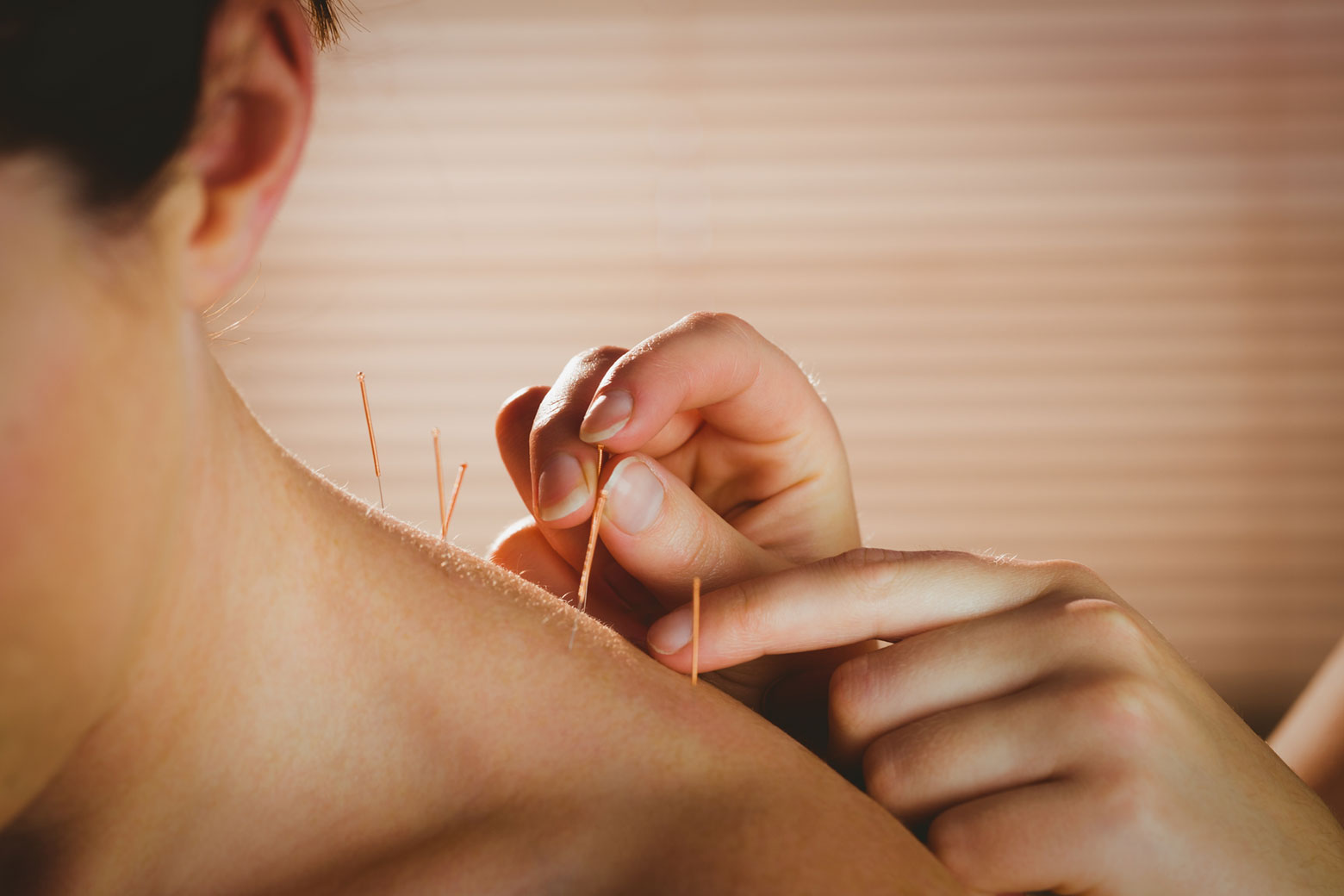
Acupuncture practitioners insert thin needles into specific points on the body, and these points connect to pathways that influence physical function. When you sit for a session, a trained acupuncturist maps your concerns to those points before treatment begins. Many people turn to this method as a complement to standard medical care. Here is more information about this treatment approach:
Affecting the Nervous System
The nervous system controls how your body responds to stimulation. Needle placement stimulates nerves, and those signals travel to the brain through established pathways. People use acupuncture for its shifts in heart rate and muscle tension during treatment. You might feel calmer after a session because the body responds to that stimulation.
Some patients achieve better sleep, and others have steadier health over several weeks. A practitioner targets points linked to relaxation when that is the main concern. The effect varies from person to person.
Alleviating Pain
Pain management remains one of the most studied uses of acupuncture. Acupuncturists treat several complaints, and these include:
- Back pain
- Tension headaches
- Joint stiffness
- Neck strain
Since nerve stimulation may alter how the body processes pain signals, some patients notice relief after a few visits. A session is typically quick, and the number of treatments depends on your condition. You discuss your history with the practitioner before any needles go in.
Treating Allergy and Asthma
Seasonal allergies and asthma affect breathing and daily comfort. Acupuncture targets points connected to the respiratory system, and practitioners adjust placement based on your symptoms. Some studies suggest that regular treatment influences inflammation, though results differ between individuals. Talk with your doctor before you add acupuncture to an existing treatment plan.
When pollen counts rise, allergy symptoms may intensify. A practitioner may recommend a series of sessions during peak seasons, and you track your response over time. This approach works alongside prescribed medication rather than replacing it.
A licensed practitioner reviews your medical history, and that step shapes the entire treatment plan. You decide whether this method fits your goals after an initial consultation. Bring questions to your first visit so you understand each step. These steps help you make an informed choice.
Addressing Urinary Incontinence
Urinary incontinence affects people of many ages and backgrounds. Acupuncture targets points associated with bladder control, and it is used for changes in muscle function after treatment. Since the pelvic floor plays a large role here, practitioners select points that influence that area. You share your specific symptoms so the treatment fits your needs.
Two main types of incontinence bring people to treatment:
- Stress incontinence, triggered by physical movement
- Urge incontinence, marked by sudden, strong needs
A practitioner reviews which type applies to you before starting. Sessions typically follow a schedule across several weeks, and you note any shifts in frequency or control. Keep your healthcare provider informed throughout the process.
Schedule Acupuncture Sessions Today
Acupuncture offers a structured approach for people exploring options beyond conventional care. Ask about their experience with your specific concern, and request details about session length and frequency. Reach out to a local clinic to schedule your first appointment. A team member walks you through what to expect, and you receive answers tailored to your situation.
