


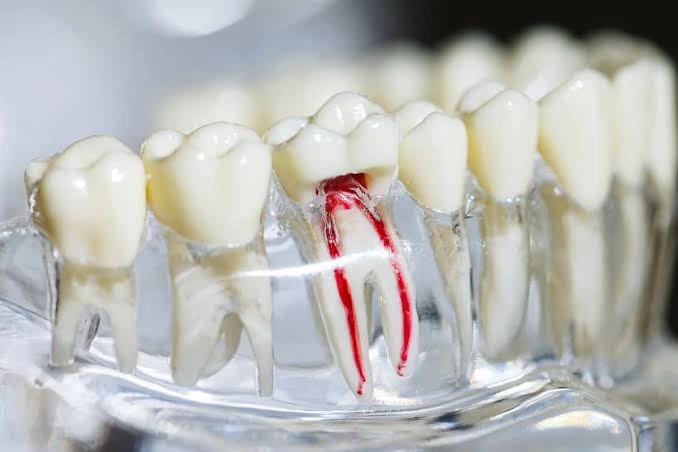
Endodontic implants are artificial metallic extensions that pass through the apex of a tooth and into sound bone. Clinicians introduced the technique in 1960; it remains a method for stabilizing teeth with weakened support. The procedure increases the crown-root ratio, so a compromised tooth gains additional support. That improvement helps preserve the tooth and reduces the need for extraction in selected cases. Understanding the benefits and limitations helps clarify where the technique fits in treatment planning.
Stabilizing Teeth With Endodontic Implants
Endodontic implants extend a metallic post through the root canal and beyond the apex into bone. The procedure increases the crown-root ratio; this change supports teeth that have lost surrounding bone. Clinical reports describe a 91% success rate when practitioners select cases appropriately. The primary limitation involves the narrow range of indications because the technique applies to specific clinical situations rather than broad patient populations.
Proper case selection plays a major role in treatment success. Endodontic implants gained a reputation for both successes and failures; reports have linked unsuccessful outcomes to poor case selection, improper materials and inadequate preparation. Long-term success has been documented when clinicians follow the recommended indications, so patient evaluation remains a central part of the treatment process.
Treating Specific Clinical Conditions
Endodontic implants address several defined conditions. Periodontal bone loss affecting a single tooth is one indication; the technique may help when extraction and replacement are difficult. Horizontal fractures that require removal of the apical segment also qualify when the remaining coronal portion lacks adequate support. The procedure is also used for pathological root resorption at the apex and for pulpless teeth with unusually short roots. These indications highlight both an advantage and a limitation. The technique provides an option for challenging cases, but strict selection criteria restrict its use to a relatively small group of patients.
Combining Implants With Materials
Modern materials extend the value of the original technique. Mineral trioxide aggregate, or MTA, is used alongside the implant, and the material contributes to the prognosis of the treated tooth. MTA supports osseointegration because it promotes healing around the implant site.
The use of newer materials addresses one of the common misconceptions. Some assume that an older technique cannot work with modern endodontic materials, but MTA is used safely in conjunction with implants. Successful outcomes still depend on proper placement, and clinicians must manage both the canal and surrounding tissues carefully during treatment.
Placing Implants Within Canals
Endodontic implants are placed through the root canal. Root canal morphology and the periapical region fall within endodontic expertise, so consultation with an endodontist is part of treatment planning. This approach allows one specialist to manage the canal anatomy and implant placement, and it aligns treatment with the structure of the natural tooth. The procedure also requires specialized training. Access may be limited in some settings because it depends on technical knowledge and careful case selection.
Discuss Endodontic Implant Options
Endodontic implants stabilize teeth within the dental arch and support future prosthetic rehabilitation. The technique offers documented long-term success in selected cases, and newer materials continue to support treatment outcomes. Case selection remains a defining factor because the procedure is intended for specific clinical conditions. A professional evaluation determines whether endodontic implants are appropriate for a particular situation. Discuss your options with an advanced specialist in your area to learn more.
