


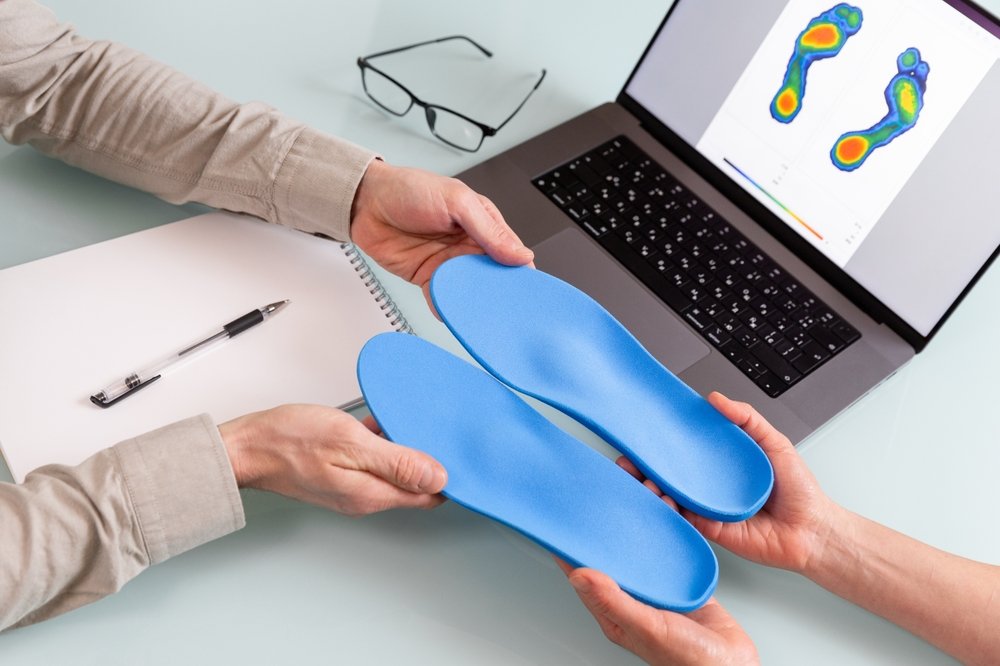
Foot discomfort can affect daily routines, including standing and walking. People who experience pain in their feet, ankles, or lower limbs may look for ways to gain relief and added support. One option that often comes up during conversations with foot specialists is orthotics. These devices are designed to fit inside footwear, and they aim to support the natural shape and movement of the feet.
What Are Orthotics?
Orthotics are devices placed inside shoes to support, align, or improve the function of the foot. Over-the-counter versions can offer general padding, and some provide arch support for a wide range of feet. Custom orthotics are made to match the unique shape of a person’s foot, often based on measurements or molds taken by a specialist.
The main goal of an orthotic device is to influence how the foot makes contact with the ground. By adjusting pressure points and supporting the arch, these devices may help the foot move in a more balanced way. They can be used as part of a broader plan to address foot, ankle, knee, or lower back discomfort, but treatment depends on the individual situation.
What Are the Types?
Orthotics come in several forms, and each is suited to different needs. Knowing the main categories, both over-the-counter and prescription, can help you understand what a specialist might recommend. These include:
- Rigid Orthotics: Made from firm materials, these devices are built to control motion in the foot.
- Soft Orthotics: Crafted from cushioned, flexible materials, soft orthotics absorb shock and reduce pressure on tender areas of the foot.
- Semi-rigid Orthotics: These combine firm and soft materials to offer both support and cushioning.
Footwear type also affects which orthotic suits a person. Some devices are shaped for athletic shoes, while others may fit dress shoes or work boots.
What Are the Benefits?
People turn to orthotics for a range of reasons, and the possible benefits depend on each individual’s circumstances. Results vary from person to person. There are a few commonly discussed advantages, including:
- Foot Support: Orthotics support the arch and other parts of the foot, which may bring a steadier feeling while standing or walking.
- Pressure Distribution: By spreading weight more evenly across the foot, these devices can reduce strain on specific points.
- Comfort During Activity: Users may report greater comfort during long periods of standing, walking, or exercise.
- Support for Footwear: Orthotics can fill space in shoes and improve how footwear sits against the foot.
What works well for one individual may not suit another, which is why guidance from a trained professional matters.
Confer With a Podiatrist
A podiatrist is a medical professional who focuses on the feet, ankles, and lower limbs. If you experience ongoing foot discomfort or wonder whether orthotics might help you, scheduling an appointment is a sensible step. They can advise whether store-bought inserts or custom devices would address your situation. Working with a podiatrist gives you access to professional advice tailored to your feet, and this may help you make informed choices about your foot health and overall comfort.
