


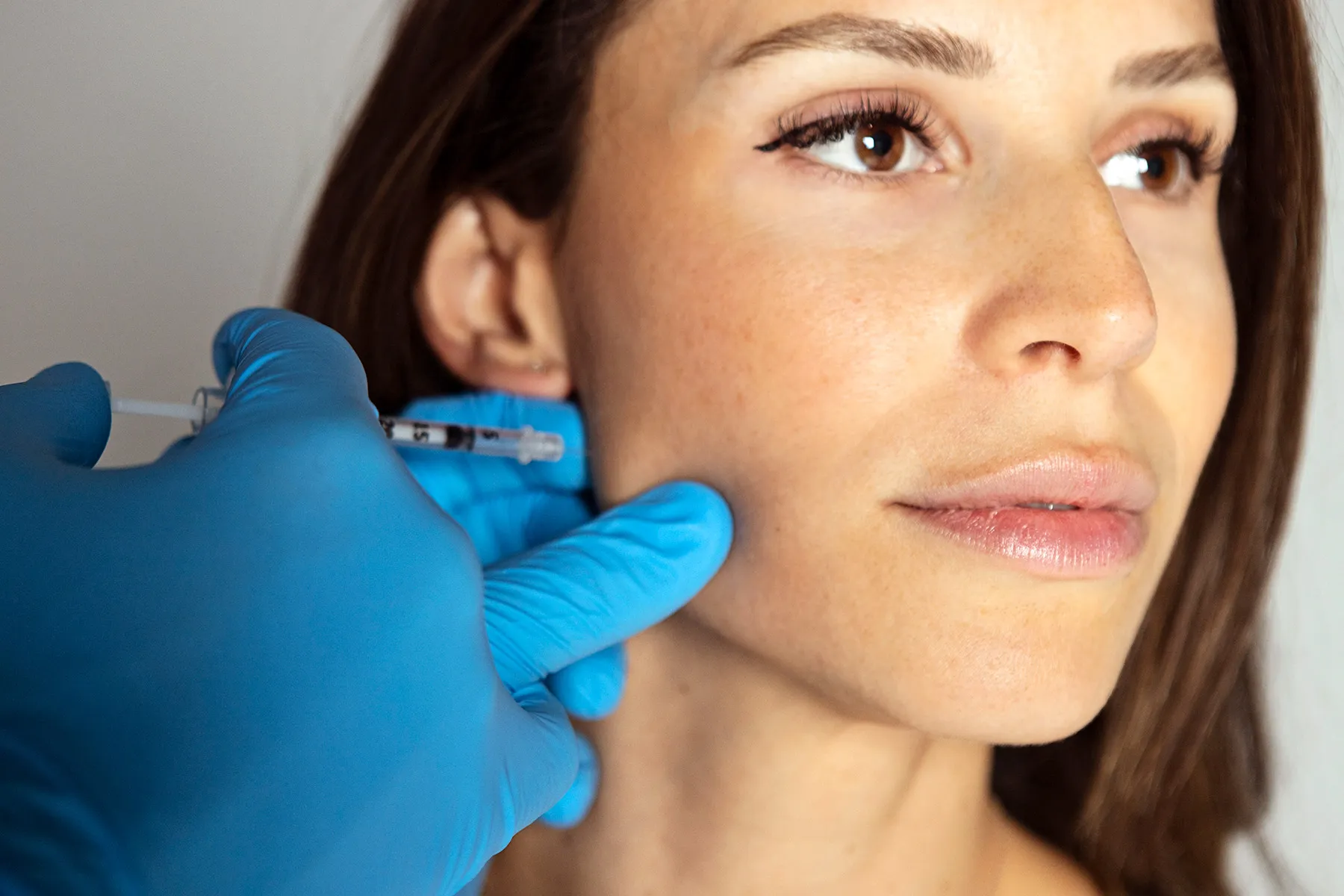
Botox is a treatment known for cosmetic applications, but its uses extend into dental and oral health. Dental providers may use Botox to address certain muscle-related conditions affecting the mouth and jaw. This treatment involves targeted muscle relaxation, which can help manage specific oral and dental health issues.
What Is Botox?
Botox is the brand name for a purified neurotoxin made from a bacterium. When used in small, controlled amounts, it works by relaxing targeted muscles. It does this by limiting the signals that nerves send to those muscles, and the treated muscle becomes less active for a period of time.
The treatment is delivered through a fine needle, and the amount used is measured carefully by a trained provider. Botox is temporary, meaning its effects fade over weeks or months. The muscle gradually returns to its usual activity. Because of this, repeat treatments are often part of a long-term plan when Botox is used.
What Can It Treat?
Botox may be used in oral and dental care for several muscle-related conditions. Every patient is different, and a provider will review your health history and examine your specific situation before recommending any treatment. There are many situations where a provider might discuss it as an option, which include:
- Teeth Grinding and Jaw Clenching: Some people grind their teeth or clench their jaw. Botox may be used to relax the strong jaw muscles linked to this habit.
- Jaw and Facial Muscle Tension: Tension in the muscles around the jaw can affect comfort and movement. Botox is sometimes part of a plan to ease overactive muscles in this area.
- Concerns Related to TMJ: The temporomandibular joint, or TMJ, connects the jaw to the skull. When the surrounding muscles are strained, providers may include Botox in a broader treatment approach.
- Gummy Smile Appearance: Some patients seek treatment when a large portion of the gums shows during smiling. This is often related to the muscles of the upper lip, which Botox can relax.
- Dental Device Adjustment: People who receive dental implants sometimes need help with muscle adjustment. Botox may support this process in select cases.
Botox is not the right choice for everyone, and it is usually one part of a larger care plan rather than a stand-alone solution.
What Should You Expect?
The treatment itself is typically brief. The provider cleans the area, then uses a thin needle to deliver small amounts of Botox into the targeted muscles. Many patients describe the sensation as a quick pinch. After the treatment, you can usually return to your normal day. Your provider may give you instructions, such as avoiding rubbing the treated area for a period of time. Effects are not immediate, and they often appear gradually over several days. Because results are temporary, your provider may schedule follow-up visits to review your progress and plan future treatments if needed.
Seek Professional Oral Care
Botox has grown into a tool that some dental and oral health providers use for specific muscle-related concerns, along with other medical uses. Understanding the basics can help you have a more informed conversation with your provider. Speaking with a provider is the best way to learn whether Botox or another approach fits your needs, and this conversation allows you to receive care that is matched to your health and goals.
