


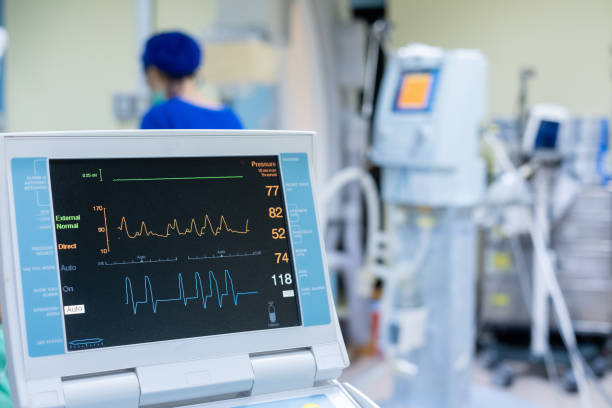
Cardiologists use diagnostic tools to gather information about heart rhythm, heart structure, blood flow, and physical performance during activity. Each test looks at a different part of cardiovascular function. Some track changes while a person exercises; others create images, record rhythm over time, or examine circulation in the veins. When combined, these tools support a more complete review of how efficiently the cardiovascular system is working. Here are several current diagnostic tools used by cardiologists:
Stress Testing
Stress testing evaluates how the heart performs during physical exertion or a supervised increase in workload. It may involve walking on a treadmill or using a stationary bike. During the test, clinicians monitor heart rate, cardiac rhythm, and blood pressure. In some cases, medication may be administered; this includes when a person is unable to exercise adequately or when exercise is not part of the testing protocol.
This approach gives the cardiologist a closer look at how the cardiovascular system responds under changing demands. It’s a helpful tool when a provider wants to examine exercise tolerance, rhythm changes during activity, or patterns that do not appear at rest. Some stress tests include imaging; others focus on rhythm and blood pressure data.
A stress test may involve:
- Continuous heart rhythm recording
- Blood pressure checks at set stages
- Measurement of physical workload
- Imaging before or after exertion in selected cases
Echocardiogram Imaging
An echocardiogram uses sound waves to create moving images of the heart. It allows cardiologists to review the chambers, valves, wall motion, and blood flow patterns in real time. Because the test does not use radiation, it remains a key imaging method in many cardiac settings.
During the study, a technician places a transducer on the chest. The device sends sound waves into the body and receives the returning signals; a computer then turns those signals into images for review. This process gives the cardiologist visual information about structure and motion without using an invasive approach.
Modern systems provide sharper images and added measurement tools. Doppler technology shows the direction and speed of blood flow, and some machines produce three-dimensional views for added detail. These features give a broader picture of cardiac anatomy and movement while keeping the test straightforward and efficient.
Venous Ultrasound
Venous ultrasound focuses on blood flow in the veins, usually in the legs or arms. This tool does not center on the heart itself, but it may be part of a broader cardiovascular evaluation. Like an echocardiogram, venous ultrasound uses sound waves. A handheld probe moves across the skin and produces real-time images of vein structure and blood movement. The study may show valve function, flow direction, and changes in vein shape during the exam. This tool adds another layer of vascular information. It does not replace heart-focused testing, but it gives helpful detail when clinicians need a more complete view of circulation.
Holter Monitoring
Holter monitoring records the heart’s rhythm over an extended period, usually 24 to 72 hours. Unlike a standard electrocardiogram that captures a brief moment in the office, a Holter monitor follows rhythm patterns during regular daily activity. The device is small, portable, and designed for routine wear. Some models use wires attached to the chest; others use a patch-based design.
As the person moves through the day, the monitor stores data for later review. This longer recording window helps cardiologists study rhythm behavior across work, rest, sleep, and movement. Rhythm changes do not always appear during a short office visit, so Holter monitoring plays a key role in gathering more complete rhythm data.
Consult a Qualified Cardiologist
These modern diagnostic tools serve different purposes; they can review heart performance during exertion, show structure and motion, and examine blood flow in the veins. They also track rhythm over time. These methods give cardiologists a broader and more detailed view of cardiovascular function. To learn more about which test may fit your situation, contact a cardiology office and ask about the next step.
