


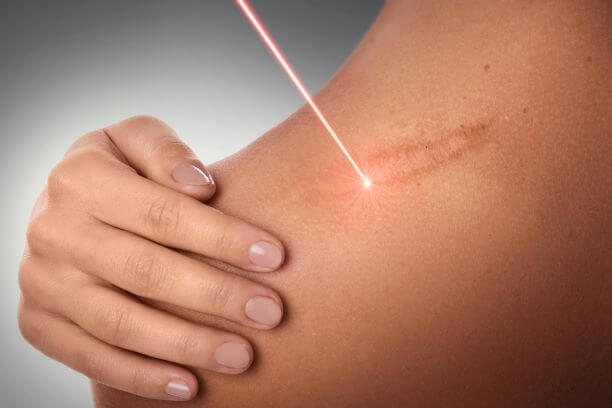
Scars form as a natural part of the body’s healing process after tissue sustains damage. While some marks fade naturally over time and become barely noticeable, others remain prominent. These lasting marks can cause physical discomfort, such as itching or restricted movement, and also prompt cosmetic concerns. If a scar affects your daily life or causes ongoing discomfort, seeking a professional evaluation may help you understand your available options. Scar revision offers a pathway to minimize the appearance of these marks and alleviate physical symptoms.
What Is Scar Revision?
Scar revision is a specialized cosmetic and reconstructive procedure that is designed to alter the appearance of a scar. The primary goal is to blend the affected area with the surrounding skin’s natural tone and texture. By doing so, the procedure makes the mark less conspicuous. Beyond cosmetic improvements, these treatments also aim to reduce physical discomfort. Scars can sometimes become painful or itchy. Medical professionals utilize numerous techniques to revise scars. Patients receive a customized plan that aligns with their specific needs and desired outcomes.
When Should You Seek It?
Scar revision serves a wide variety of patients who have experienced different types of skin trauma. People often seek these treatments after sustaining severe burns, which can leave contracted and tight tissue. Individuals who have undergone radiation therapy or surgical procedures, such as C-sections or skin cancer removals, also benefit from these solutions.
Other common causes of treatable scarring range broadly, including severe acne, skin infections, traumatic injuries, and piercings. Doctors recommend waiting 12 to 18 months after the initial injury before undergoing treatment. This waiting period allows the tissue to mature completely, which can give the doctor a clear picture of the permanent mark.
What Should You Expect?
The journey begins with a thorough consultation. Your dermatology specialist or plastic surgeon will examine the affected area and discuss your goals. Based on this evaluation, the provider creates a personalized treatment strategy. Preparation for the procedure requires following specific medical instructions. Patients often need to stop smoking, as it impedes the body’s natural healing capabilities. Doctors might also require patients to pause certain medications that increase bleeding risks.
Treatment plans vary widely. Some patients require non-invasive approaches, such as topical silicone gels, specialized dressings, or corticosteroid injections to flatten raised tissue. Other non-surgical options include dermal fillers to plump depressed scars, cryotherapy, chemical peels, and microneedling. For more complex cases, providers use laser therapy or perform surgical repair to physically remove the damaged tissue.
Recovery timelines depend entirely on the specific technique utilized. Non-invasive treatments typically involve minimal downtime, while surgical repairs or deep laser treatments require more extensive healing periods. It can take several weeks or even months to see the final results of a revision procedure. During this time, the skin gradually adapts and heals. Patients must attend scheduled follow-up appointments so the medical team can monitor progress and adjust the aftercare plan if necessary.
Confer With a Dermatologist
Medical advancements provide numerous ways to improve the texture, appearance, and comfort of damaged skin. Each situation requires a highly individualized approach, so speaking directly with a dermatologist is a productive first step. During a professional evaluation, a specialist will outline realistic expectations and recommend the safest, most effective treatment for your specific skin type. By seeking expert guidance, you can make informed decisions about your care and move forward with clarity.
