


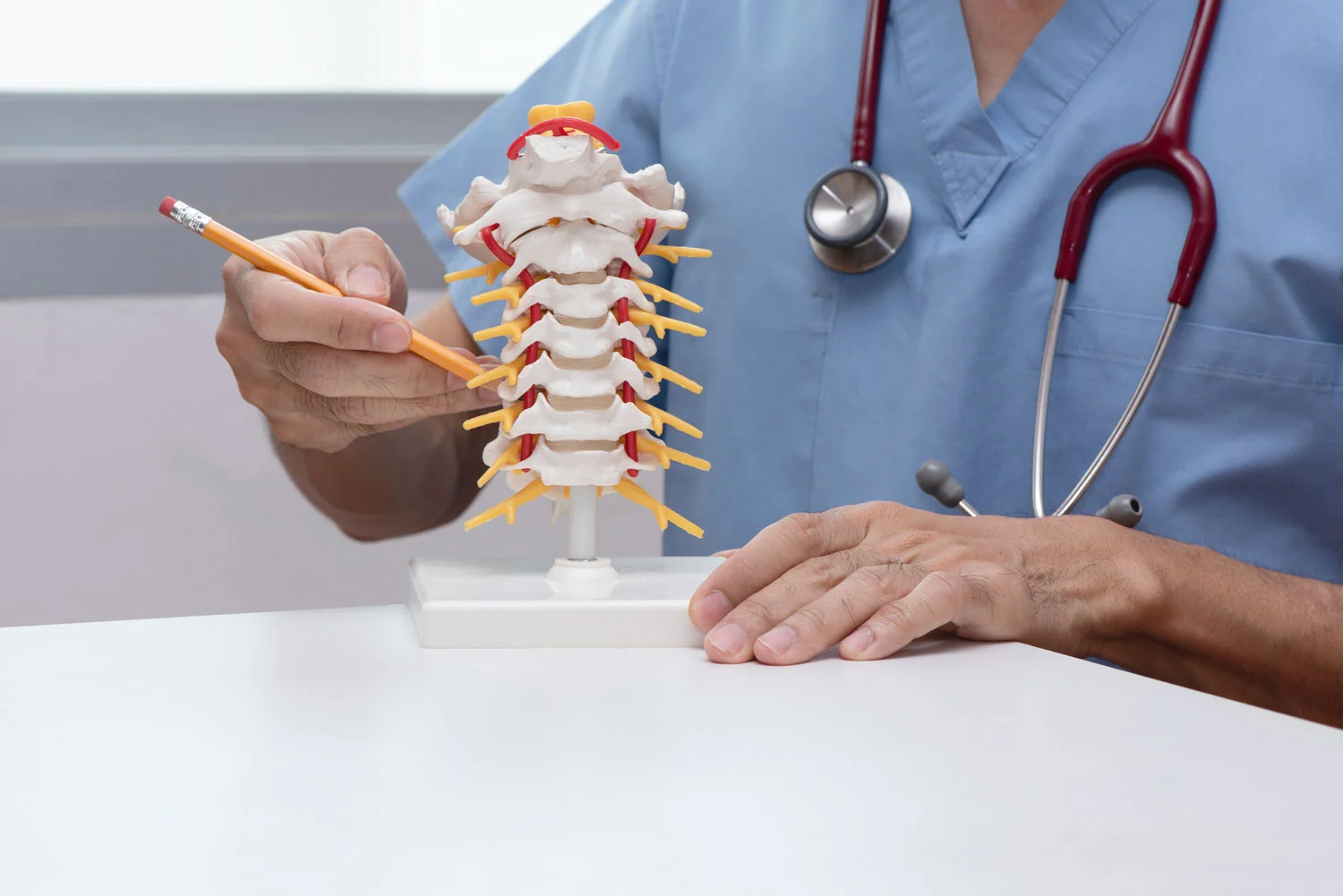
Orthopedic surgery addresses musculoskeletal conditions affecting the spine, including pain, nerve compression, and structural changes. In spine care, this role evaluates symptoms and identifies the source of pain, which guides treatment decisions. An evaluation guides treatment planning; surgeons review imaging findings and patient history when recommending care. Here is more information about the role of orthopedic surgery in treating spine disorders:
Conservative Care
For many spine disorders, treatment begins with a non-surgical evaluation and a targeted care plan. The evaluation may include a physical exam, imaging review, and assessment of symptoms such as numbness, weakness, or radiating pain. These findings help identify if the problem is related to nerve irritation or spinal narrowing; this guides care decisions. Some non-operative care options include:
- Activity changes to reduce strain on the spine
- Physical therapy to improve strength, mobility, and posture
- Anti-inflammatory or pain-relief medication
- Bracing in selected cases
- Image-guided injections
These methods aim to manage symptoms and improve function while the care team tracks progression. A patient with lumbar stenosis may start with therapy and medication, but a patient with a compression fracture will need bracing and imaging. The surgeon’s role at this stage is to match treatment to the disorder, symptoms, and exam findings.
Operative Treatment
Operative treatment is often discussed when spinal pain persists after non-surgical care. This applies to cases involving nerve compression, spinal instability, or lumbar conditions that do not respond to conservative treatments. The orthopedic surgery team reviews imaging results, and they determine if a surgical approach aligns with the patient’s diagnosis.
Orthopedic spine surgeons perform procedures to address the source of compression or instability. A discectomy removes part of a damaged disc pressing on a nerve, and a laminectomy widens the spinal canal for patients with stenosis. Spinal fusion joins vertebrae to limit painful motion or support unstable segments. In some patients, deformity correction may involve the use of rods and screws.
Procedure selection depends on several factors:
- Location of the disorder in the cervical, thoracic, or lumbar spine
- Degree of nerve involvement
- Bone quality
- Age, health status, and activity level
- Prior treatment history
Some operations are minimally invasive, with smaller incisions and less soft tissue disruption. Others require open techniques for wider access, and these procedures involve more complex reconstruction. The selection of a surgical approach is based on the condition and treatment goals, which guide decision-making.
Rehabilitation Management
Rehabilitation management focuses on recovery after lumbar spine surgery, and it also addresses progress during non-surgical treatment phases. This phase often includes activity guidance, movement restrictions, and follow-up care. Patients may receive instructions on brace use and return-to-work timing based on the condition. The goal is to support steady functional recovery while the care team monitors symptoms and adjusts the treatment plan as needed.
After surgery, rehabilitation plans vary by procedure and patient condition. Outpatient recovery may follow a limited decompression, but a deformity correction often involves a longer timeline. Physical therapy focuses on regaining strength and mobility. Orthopedic surgeons also monitor for ongoing issues such as persistent pain or delayed bone healing. Follow-up visits help shape the recovery plan and support safe progression.
Visit an Orthopedic Surgery Clinic
Orthopedic clinics provide care for spinal conditions through evaluation, conservative treatments, and spine surgery when it matches the diagnosis. Treatment plans are based on the source of symptoms and how the condition affects daily function. Surgeons will conduct a thorough assessment and review available treatment options, including spinal injections and surgical care. Contact a clinic today to schedule a spine evaluation.
