


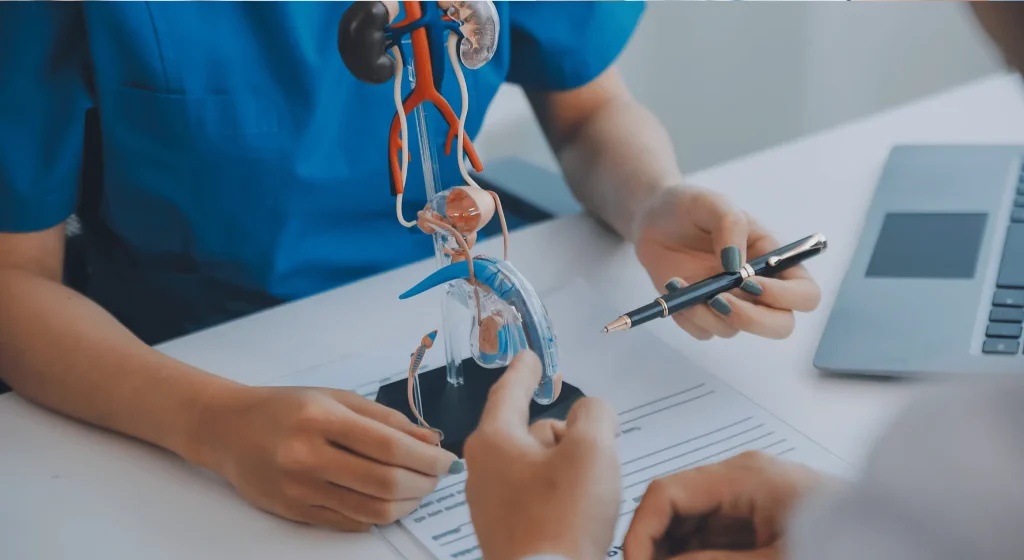
Urology focuses on conditions affecting the urinary system and reproductive health across different stages of life. The specialty includes evaluation and treatment for concerns involving the kidneys, bladder, urinary tract, and male reproductive system. Urologists provide care for a wide range of conditions, from urinary disorders to more complex urologic health concerns. Here is more information about the urology specialty and services beyond common perceptions:
Providing Women’s Urological Care
Urology provides care for women experiencing a variety of urinary and pelvic health concerns. Female urology focuses on conditions such as urinary incontinence, overactive bladder, and pelvic floor disorders. These conditions can affect daily activities, comfort, and overall quality of life.
Urologists evaluate concerns related to bladder function, pelvic support, and urinary health. Treatment options may include behavioral approaches, medications, minimally invasive procedures, or reconstructive techniques based on each patient’s needs.
Female urology also addresses concerns that may be underreported due to discomfort discussing symptoms. Specialized care helps women receive evaluation and treatment for conditions affecting the urinary system and pelvic health.
Managing Men’s Urological Health
Urology supports men’s health by addressing conditions related to reproductive function, hormones, and urinary concerns. Providers evaluate symptoms, identify underlying causes, and recommend treatment options based on each patient’s health history and goals.
Common Men’s Urology Services
- Erectile dysfunction: Treatment may include medications, lifestyle changes, or male prosthetics when appropriate.
- Male hypogonadism: Evaluation and treatment focus on hormonal concerns related to testosterone production.
- Male infertility: Assessment may include treatment options such as vasectomy reversal for restoring fertility.
- Vasectomy: A procedure used as a permanent contraception option for men.
Urologists also treat benign prostatic hyperplasia (BPH), a condition involving prostate enlargement that are able to affect urinary function. Minimally invasive options, including the UroLift System, may be used to address BPH symptoms based on individual needs.
Treating Urological Cancer Conditions
Urologic oncology focuses on the diagnosis and treatment of cancers affecting the urinary system and male reproductive organs. Urologists evaluate conditions involving the bladder, prostate, kidneys, and testicles through screenings, imaging, and other diagnostic methods. PSA testing and evaluation of symptoms such as blood in the urine may help identify concerns that require further assessment.
Treatment options for urologic cancers vary based on the type and stage of cancer. Minimally invasive approaches, including robotic surgery, laser procedures, and laparoscopy, may be used for eligible patients. These techniques allow urologists to address certain conditions with advanced surgical methods and individualized treatment plans.
Addressing Common Urological Conditions
Kidney and bladder stones are common conditions treated within urology. They develop when minerals in urine form solid deposits that may pass naturally or require medical treatment. Urologists evaluate symptoms, determine the cause, and recommend care based on the size and location of the stones.
Urinary tract infections are also frequently evaluated by urologists, especially when infections are recurring or complex. A urologic evaluation helps identify contributing factors and guide treatment options for ongoing urinary concerns.
Urology also includes advanced treatments for bladder and prostate conditions. Procedures such as Aquablation use water-based technology to address prostate tissue, while sacral neuromodulation devices support bladder and bowel function by targeting related nerves. These options are evaluated based on each patient’s condition and healthcare needs.
Schedule Your Urology Consultation Today
Urology addresses a wide range of conditions involving the urinary system and reproductive health. A urologist can evaluate symptoms, manage chronic conditions, and discuss treatment options based on each patient’s needs. Schedule a consultation with a urologist to discuss your concerns and explore available care options.
