


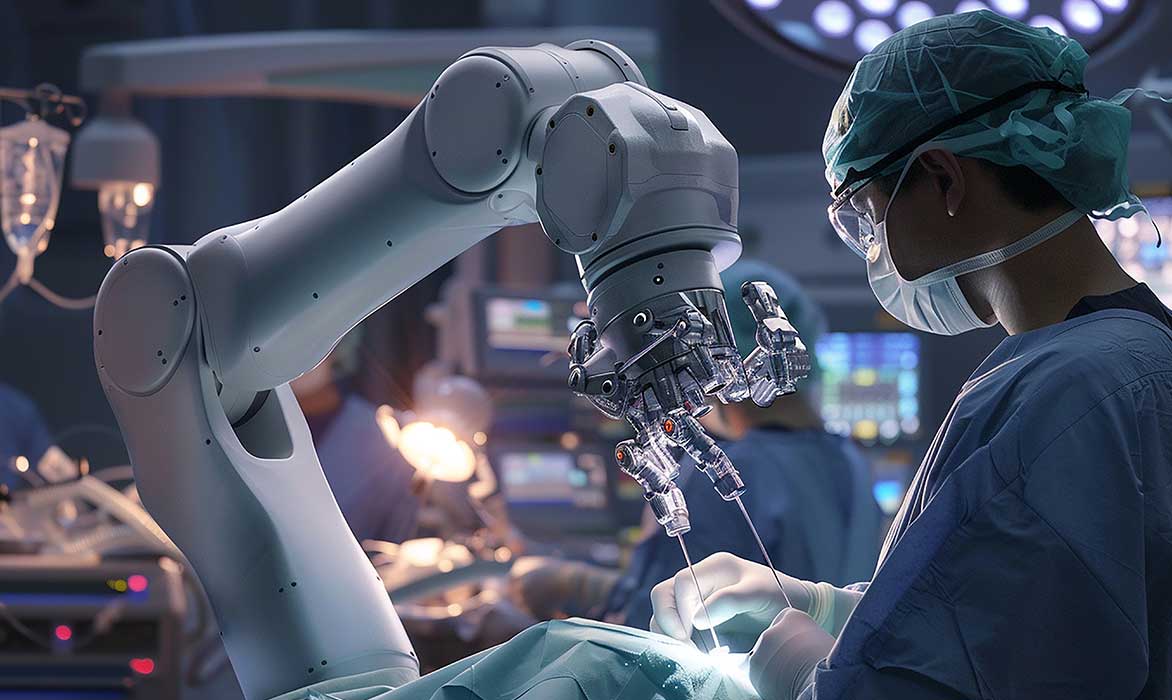
Da Vinci surgery has transformed how surgeons approach complex procedures, offering a minimally invasive alternative to traditional open surgery. Patients may experience reduced trauma to the body during this type of surgery. Robotic-assisted surgery has many benefits for the patient, and here is more information about this type of surgery:
Introducing Da Vinci Surgery
Da Vinci surgery is a robotic-assisted surgical system that gives surgeons enhanced precision, flexibility, and control. A surgeon operates the da Vinci system from a console, and robotic arms translate those movements into small, exact incisions inside the patient’s body. The technology provides a magnified, high-definition 3D view of the surgical site, so surgeons can work with greater accuracy than traditional methods allow.
Exploring Surgical Procedures
Surgeons use the da Vinci system across a wide range of specialties because its precision suits many different types of procedures. Some common procedures done with da Vinci surgical techniques include:
- Hysterectomy: The surgical removal of the uterus, often performed to treat conditions such as uterine cancer, severe endometriosis, or chronic pelvic pain.
- Myomectomy: A procedure to remove uterine fibroids while preserving the uterus, offering an option for women who wish to retain their fertility.
- Sacrocolpopexy: A surgical technique used to correct pelvic organ prolapse, restoring the normal position and support of the pelvic organs.
Surgeons choose robotic assistance when a procedure requires work in a confined space, and the patient’s anatomy makes open surgery more complex. Because the robotic arms can rotate and bend beyond the range of the human wrist, surgeons gain access to areas that are otherwise difficult to reach.
Understanding the Benefits
Da Vinci robotic surgery offers meaningful advantages when compared with traditional open surgery. Open surgery requires large incisions, and that means more tissue disruption, greater blood loss, and a higher chance of complications. Robotic assistance allows surgeons to complete the same procedures through several small incisions, reducing trauma to surrounding tissue.
Patients who undergo da Vinci robot-assisted surgery typically experience less intraoperative blood loss. Surgeons may gain better visualization of the surgical field. This may support more precise removal of diseased tissue, and this helps preserve healthy structures nearby.
Recovering From Surgery
Recovery after da Vinci robot-assisted surgery tends to be faster and more comfortable than recovery from open surgery. Smaller incisions mean less post-operative pain for most patients, and many are able to reduce or discontinue prescription pain medication sooner. Hospital stays are shorter because the body has less wound trauma to heal.
These advancements in surgical technology translate to concrete improvements in your healing process:
- Faster return to daily life: Patients typically resume their normal activities more quickly, experiencing less long-term discomfort from smaller scars.
- Lower risk of infection: Because the incisions are smaller and closed with exceptional precision, the rate of site infections is significantly reduced.
- Preservation of nerve function: For delicate procedures such as a prostatectomy, the precise nature of robotic assistance helps protect nerves, which helps maintain continence and sexual function during recovery.
Ultimately, these surgical innovations are designed to minimize physical impact, helping you regain your quality of life with greater ease.
Learn About Da Vinci Surgery
Da Vinci surgery benefits a broad range of patients across multiple surgical specialties. The system offers greater precision than traditional open surgery and supports better visualization; it also reduces blood loss during procedures. If you want to learn more about da Vinci surgical techniques, consult a surgical specialist near you.
