


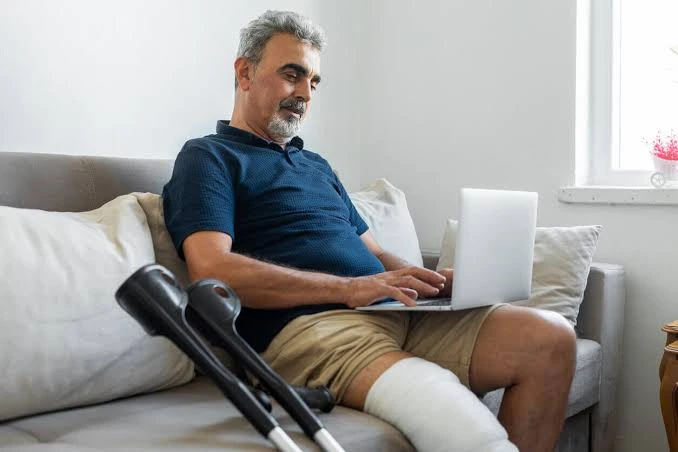
Knee replacement surgery removes damaged parts of the knee joint and replaces them with artificial components made of metal and plastic. When arthritis or injury has worn down the joint, surgeons perform this procedure to relieve pain and restore movement. Recovery involves several weeks of focused effort at home, and your care team supports you throughout the process. Here are some post-operative care tips after a knee replacement:
Care for the Incision
Proper care of your surgical incision is key to preventing infection and promoting healing. Your surgical team will give you directions about when to remove the dressing and how to wash the area. Follow those directions closely, and avoid soaking the wound in a bath, pool, or hot tub until your surgeon clears you.
Watch the site each day for signs of infection. Increased redness, warmth, drainage, or a fever warrants a call to your doctor. Change dressings with clean hands, and use the supplies your care team recommends. Though small amounts of swelling and bruising around the knee are common in the early weeks, these typically fade as tissue heals.
Attend Physical Therapy
Physical therapy forms the backbone of a knee replacement recovery. A therapist will guide you through exercises that rebuild strength, restore range of motion, and improve balance. Attend every scheduled session, and complete the home exercises you receive between appointments.
Movement in the days after surgery reduces stiffness and supports circulation. Your therapist may introduce a walker or cane at first, and you will progress toward walking without support as your strength returns. Do the assigned exercises even when they feel tedious. Repetition helps the joint adapt to daily activities such as climbing stairs, sitting, and standing.
Track your progress and share it with your therapist. If a movement causes sharp pain rather than mild discomfort, stop and report it. Pushing too hard risks setbacks, while skipping sessions slows the timeline. Steady, consistent effort usually produces reliable results.
Manage Pain
Pain after knee replacement is expected, and several methods help you keep it under control. Take medications as prescribed, and never combine them with other drugs or alcohol without checking with your doctor first. Ice reduces swelling and dulls soreness. Apply a cold pack to the knee for several minutes at a time, with a thin cloth between the pack and your skin. Elevating the leg above heart level also eases swelling, especially after exercise or a long day on your feet. Nonmedication approaches add support too. Gentle movement, rest between activities, and a comfortable sleeping position all contribute to comfort. Talk with your care team if your pain grows harder to manage or if prescribed doses stop working as they did before. They may adjust your plan or check for underlying issues.
Learn More About Knee Replacement
Recovery from a knee replacement takes time, and each person moves at a different pace. Caring for your incision, attending physical therapy, and managing pain give you a solid foundation for that process. Keep your follow-up appointments and contact your surgical team whenever a question or concern arises. To learn more about knee replacement recovery, schedule a consultation with an orthopedic surgeon today.
